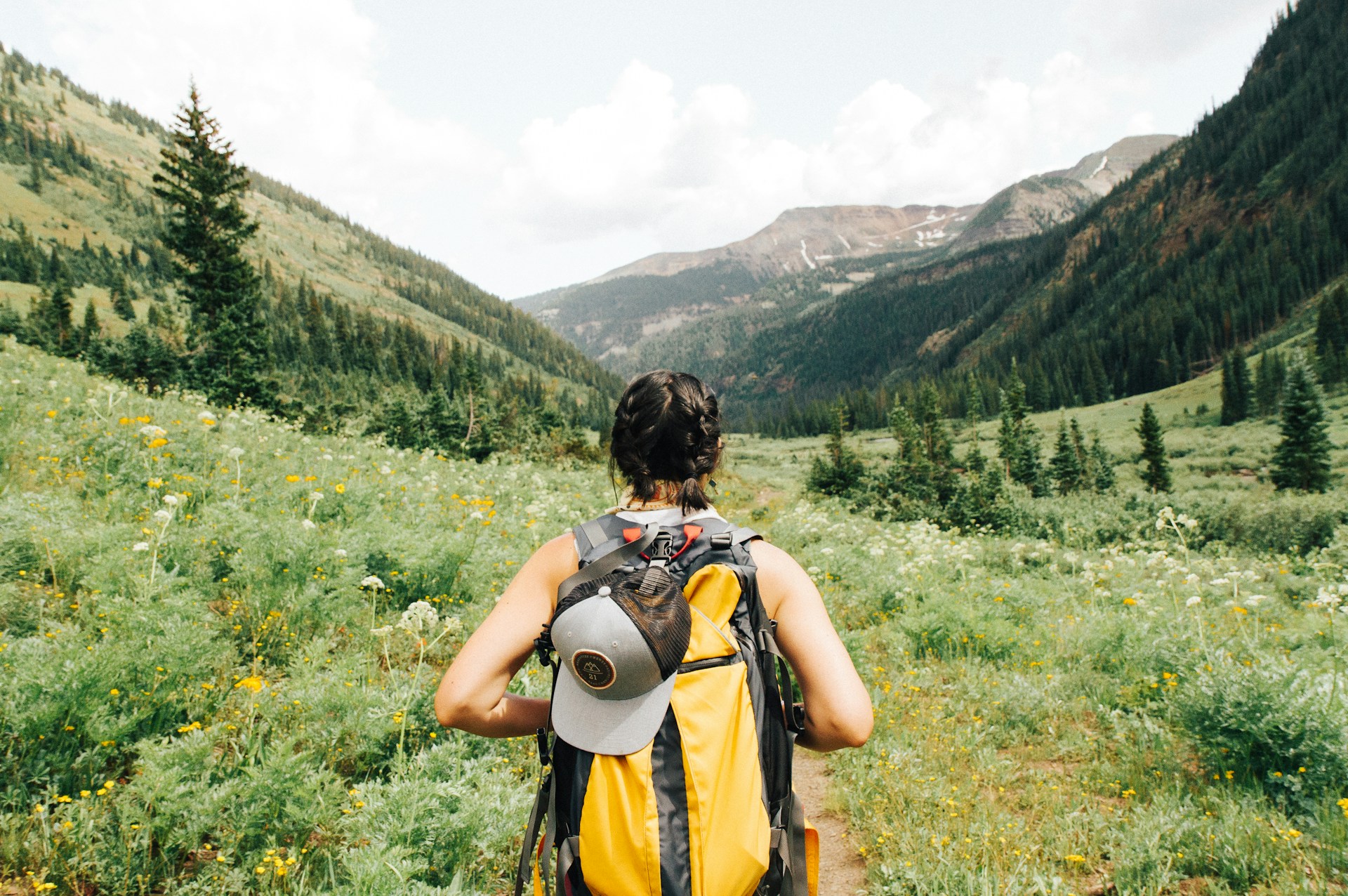
I’ll never forget my first ambitious hike and hiking experience. I chose a “moderate” 12-kilometer trail in the Austrian Alps, convinced that my general fitness from walking around town would be enough. By kilometer three, my legs were burning. By kilometer five, I was taking breaks every few minutes. I finished that hike, but I was sore for days and vowed never to be so unprepared again.
Here’s the truth: hiking uses muscles and requires endurance that everyday activities simply don’t develop. But the good news? You don’t need to be an athlete to train for hiking. With the right approach, anyone can build the fitness needed to enjoy trails confidently and comfortably.
This complete guide covers everything you need to know about how to train for hiking, from building cardiovascular endurance to strengthening key muscle groups, creating a practical training schedule, and avoiding common mistakes that lead to injury or burnout.
Why Hiking-Specific Training Matters
You might wonder: “Can’t I just start hiking to get better at hiking?”
While there’s truth to that approach, proper training beforehand offers significant advantages:
Injury prevention: Strengthening muscles, tendons, and ligaments before tackling challenging trails dramatically reduces injury risk, particularly to knees, ankles, and hips.
Enhanced enjoyment: When you’re not gasping for breath or struggling with burning leg muscles, you can actually enjoy the scenery, wildlife, and peaceful experience that hiking offers.
Confidence building: Knowing you’ve prepared physically gives you mental confidence to attempt new trails and push your boundaries safely.
Faster progression: Structured training accelerates your improvement, allowing you to tackle more challenging and rewarding trails sooner.
Better recovery: Fit hikers recover faster between hikes, meaning you can explore trails more frequently without excessive soreness.
Understanding Hiking Fitness: What You’re Training For
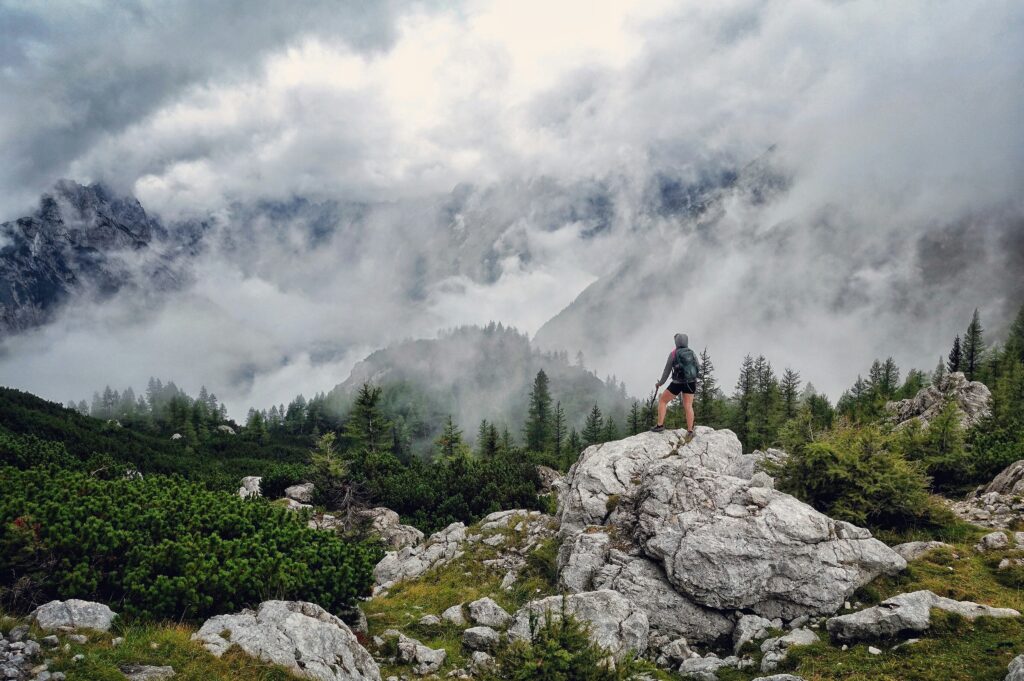
Hiking demands a unique combination of physical abilities:
Cardiovascular endurance: The ability to maintain steady effort for hours, keeping your heart and lungs working efficiently.
Muscular endurance: Leg muscles that can repeatedly contract without fatiguing, especially quads, glutes, and calves.
Core strength: Stability through your torso for balance on uneven terrain and carrying a backpack comfortably.
Ankle and knee stability: Joint strength to handle varied terrain without twisting or buckling.
Mental stamina: Psychological endurance to keep moving when tired or uncomfortable.
Effective hiking training addresses all these components, not just one or two.
Phase 1: Building Your Base Fitness (Weeks 1-4)
If you’re currently sedentary or only lightly active, start here. This foundation phase prepares your body for more intensive training.
Walking: Your Primary Training Tool For Hiking
Week 1-2: Establish the habit
- Walk 20-30 minutes daily on flat terrain
- Focus on consistency over intensity
- Comfortable pace where you can hold a conversation
- Aim for 5-6 days per week
Week 3-4: Increase duration
- Extend walks to 40-50 minutes
- Maintain the same frequency (5-6 days weekly)
- Add one slightly longer walk (60 minutes) on weekends
- Introduce gentle hills if available
Progression tip: If this feels too easy, move to Phase 2 sooner. If it feels challenging, spend an extra 1-2 weeks at this level—there’s no rush.
Basic Strength Foundation
Add these exercises 3 times per week on non-consecutive days:
Bodyweight squats: 2 sets of 10-15 repetitions
- Stand with feet shoulder-width apart
- Lower down as if sitting in a chair, keeping knees behind toes
- Rise back to standing
- Builds quadriceps and glutes essential for uphill hiking
Lunges: 2 sets of 8-10 per leg
- Step forward, lowering back knee toward ground
- Push back to starting position
- Mimics hiking motion and builds single-leg stability
Calf raises: 2 sets of 15-20 repetitions
- Stand on a step with heels hanging off
- Rise onto toes, then lower heels below step level
- Strengthens calves for downhill control
Planks: 2 sets, holding 20-30 seconds
- Forearms on ground, body in straight line from head to heels
- Builds core stability for backpack carrying
Glute bridges: 2 sets of 12-15 repetitions
- Lie on back, knees bent, feet flat on floor
- Lift hips toward ceiling, squeezing glutes
- Strengthens posterior chain crucial for uphill power
Rest and Recovery
Sleep: Aim for 7-9 hours nightly—this is when muscles repair and strengthen.
Active recovery: Gentle yoga, stretching, or easy walking on rest days promotes blood flow without overtaxing muscles.
Hydration and nutrition: Drink plenty of water and eat protein-rich foods to support muscle development.
Phase 2: Building Hiking-Specific Endurance (Weeks 5-8)
Once you’ve established base fitness, progress to more hiking-specific training.
Progressive Walking Training
Increase duration gradually:
- Week 5: Four 50-minute walks, one 75-minute walk
- Week 6: Four 60-minute walks, one 90-minute walk
- Week 7: Three 60-minute walks, one 60-minute hilly walk, one 2-hour walk
- Week 8: Three 60-minute walks, one hilly 75-minute walk, one 2.5-hour walk
Add elevation:
- Seek out hills, stairs, or inclines in your area
- If you live somewhere flat, use a treadmill on incline or find multi-story buildings with stairs
- Practice both uphill (builds strength and cardio) and downhill (builds knee stability and eccentric strength)
Wear your hiking boots:
- Start breaking in your hiking footwear during training walks
- Begin with shorter walks, gradually increasing duration
- This prevents blisters on actual hikes
Add weight gradually:
- Week 6 onwards: Carry a light backpack (2-3 kg)
- Week 7 onwards: Increase to 4-6 kg
- Week 8 onwards: Train with the weight you’ll carry on actual hikes (typically 6-10 kg for day hiking)
Strength Training Progression
Continue 3 weekly sessions, but increase intensity:
Step-ups: 3 sets of 10-12 per leg
- Step onto a bench or sturdy platform (30-40cm high)
- Drive through the front leg to lift yourself up
- Step down with control
- Directly mimics uphill hiking motion
Bulgarian split squats: 3 sets of 8-10 per leg
- Rear foot elevated on bench, front foot planted forward
- Lower down until front thigh is parallel to ground
- Challenging but excellent for hiking-specific strength
Wall sit: 3 sets, holding 30-45 seconds
- Back against wall, slide down until thighs parallel to ground
- Hold position
- Builds muscular endurance in quads
Side planks: 3 sets of 30 seconds per side
- Lie on side, prop up on forearm
- Lift hips to create straight line from head to feet
- Strengthens lateral core stability for uneven terrain
Single-leg deadlifts: 3 sets of 8-10 per leg
- Stand on one leg, hinge at hip to reach toward ground with opposite hand
- Keep back flat, standing leg slightly bent
- Builds balance and posterior chain strength
Calf raises (weighted): 3 sets of 15-20
- Hold dumbbells or wear a backpack for added resistance
- Prepares calves for carrying weight on trails
Flexibility and Mobility Work
Add 10-15 minutes of stretching after workouts:
Hip flexor stretches: Important for uphill hiking comfort Hamstring stretches: Improves downhill control Calf and ankle mobility: Prevents Achilles issues Quad stretches: Reduces knee strain Hip openers: Improves stride efficiency
Phase 3: Trail-Ready Training (Weeks 9-12)
The final phase prepares you specifically for the demands of actual hiking.
Practice Hikes
Week 9: First real trail hike (4-6 km, easy terrain)
- Choose a well-marked beginner trail
- Wear your hiking boots and carry your packed daypack
- Note how your body feels and what you need to improve
Week 10: Slightly longer hike (6-8 km, gentle elevation)
- Introduce some uphill and downhill sections
- Practice pacing—don’t start too fast
- Test your gear, snacks, and hydration strategy
Week 11: Moderate challenge hike (8-10 km, moderate elevation gain up to 300m)
- This should feel challenging but achievable
- Practice rest breaks and fueling during the hike
- Pay attention to any discomfort or form issues
Week 12: Goal-level hike or final preparation hike
- Either complete your goal hike or do a final challenging training hike
- You should feel prepared and confident
Midweek Training Continues
Don’t abandon your walking and strength training during this phase:
2-3 midweek walks: 45-60 minutes, including hills when possible 2 strength sessions: Maintain the exercises from Phase 2 1 practice hike: Your weekend long training session
Tapering Before a Big Hike
If you’re training for a specific challenging hike:
One week before: Reduce training volume by 30-40%
- Maintain intensity but shorten duration
- Gives body time to recover and be fresh
2-3 days before: Very light activity only
- Easy 20-30 minute walks
- Gentle stretching
- Focus on sleep and nutrition
Creating Your Personalized Training Plan
Everyone starts from a different fitness level. Adapt the timeline above based on your current condition:
If you’re already active: You might progress through Phase 1 in just 1-2 weeks or skip it entirely, focusing on hiking-specific training in Phases 2-3.
If you’re very sedentary: Spend extra time in Phase 1 (6-8 weeks instead of 4) to build a solid foundation safely.
If you have previous injuries: Consult a physiotherapist and modify exercises to protect vulnerable areas while building strength around them.
If you’re training for a specific challenging hike: Work backward from your hike date. Ideally, allow 12-16 weeks of training. If you have less time, focus on the most hiking-specific training (weighted walking with elevation) rather than trying to rush through all phases.
Training Without Hills: Strategies for Flat Areas
Living somewhere flat doesn’t mean you can’t train for mountain hiking:
Stair training:
- Find buildings with multiple floors or outdoor stadium stairs
- Climb up and walk down repeatedly
- Wear a weighted backpack for added challenge
- 20-40 minutes of stair climbing 2-3 times weekly simulates mountain ascents
Treadmill incline work:
- Set treadmill to 8-12% incline
- Walk at a steady pace for 30-60 minutes
- Increase either incline or duration weekly
- Add weight by wearing a backpack
Step training:
- Use an aerobic step platform
- Step up and down continuously for 20-40 minutes
- Increase height or add weight as you progress
Focus on strength training:
- Without hills to climb, emphasize the strength exercises more heavily
- Extra leg strength compensates for lack of elevation training
Common Training Mistakes to Avoid
Doing too much too soon: The most common mistake. Increase duration or intensity by no more than 10% per week to avoid overuse injuries.
Skipping strength training: Many people walk but ignore strength work. You need both for injury-free hiking.
Training only on flat terrain: If your goal hikes involve hills (most do), you must train with elevation. Flat-only training leaves you unprepared for the specific demands of climbing.
Ignoring rest days: Muscles strengthen during recovery, not during training. Rest is essential, not optional.
Forgetting to train with weight: Carrying a backpack changes everything—balance, energy expenditure, muscle engagement. Always include weighted training if you’ll hike with a pack.
Not testing your gear: Discovering your boots give you blisters or your backpack rubs uncomfortably on kilometer 8 of your goal hike is miserable. Test everything during training.
Neglecting nutrition and hydration practice: Learn what foods sit well in your stomach during activity and how much water you need. This varies person to person.
Nutrition to Support Your Hiking Training
Training demands fuel. Support your fitness improvements with proper nutrition:
Protein for muscle repair: Aim for 1.2-1.6g per kilogram of body weight daily
- Lean meats, fish, eggs, legumes, Greek yogurt, cottage cheese
- Especially important after strength training sessions
Carbohydrates for energy: Don’t fear carbs—they fuel your training
- Whole grains, fruits, vegetables, oats
- Time higher-carb meals before longer training sessions
Healthy fats for sustained energy:
- Nuts, seeds, avocados, olive oil
- Important for multi-hour training sessions
Hydration:
- Drink water consistently throughout the day
- During training sessions over 60 minutes, bring water
- Practice drinking while walking—it’s different from stopping to drink
Pre-training snack (1-2 hours before):
- Banana with nut butter
- Oats with berries
- Toast with avocado
Post-training recovery (within 30-60 minutes):
- Protein smoothie with fruit
- Greek yogurt with granola
- Chicken sandwich
When You Can’t Train For Hiking: Maintaining Fitness
Life happens. Illness, injury, work demands, or other commitments might interrupt training. Here’s how to minimize fitness loss:
Short breaks (1-2 weeks): You’ll lose minimal fitness. Resume training where you left off, perhaps at 80-90% intensity for the first session back.
Medium breaks (3-4 weeks): Expect to step back 1-2 weeks in your training plan. Don’t try to jump back to where you were—rebuild gradually.
Long breaks (5+ weeks): Restart from an earlier phase. If you’d completed Phase 2, restart at the beginning of Phase 2. Better to rebuild safely than risk injury rushing back.
During breaks: Even 10-15 minutes of daily walking or basic stretching helps maintain some fitness and makes returning easier.
Tracking Progress and Staying Motivated
Keep a training log:
- Record each walk/hike: distance, duration, elevation, how you felt
- Note strength training: exercises, sets, reps
- Track any discomfort or issues
- Review weekly to see improvement
Set milestone goals:
- Week 4: Complete first 60-minute walk
- Week 8: Carry 8kg pack for 90 minutes
- Week 10: Complete first moderate trail
- Celebrate each achievement!
Find a training partner:
- Accountability makes consistency easier
- Training with others is more enjoyable
- You can motivate each other through challenging sessions
Join online communities:
- Share progress on hiking forums or social media
- Get encouragement and advice from experienced hikers
- See others’ training journeys for inspiration
Visualize your goal:
- Keep photos of your target trail visible
- Imagine yourself hiking it successfully
- Remember why you started when motivation wanes
Signs You’re Ready for the Trail
How do you know your training has been successful? You’ll notice:
Physical indicators:
- You can walk 2+ hours without excessive fatigue
- Hills no longer leave you completely breathless
- You can carry a loaded pack comfortably
- No knee, ankle, or hip pain after training sessions
- Recovery time between sessions decreases
Mental indicators:
- You feel confident about attempting new trails
- Hiking feels enjoyable rather than just grueling
- You look forward to training sessions
- You trust your body’s capabilities
Performance indicators:
- Training paces that once felt hard now feel comfortable
- You can maintain conversation while walking uphill
- Trails that seemed daunting now seem achievable
Your Hiking Journey Starts Now
Training for hiking doesn’t require expensive gym memberships or complicated equipment. It requires commitment, consistency, and a willingness to progressively challenge yourself. Whether you’re preparing for your first gentle woodland walk or building toward a multi-day mountain trek, every step of training brings you closer to experiencing the incredible rewards hiking offers.
Start where you are, use what you have, and do what you can. In 12 weeks—or however long your personalized plan takes—you’ll be amazed at how much stronger, fitter, and more confident you’ve become.
The trails are waiting. Your training starts today.
What’s your biggest challenge with hiking fitness? Are you starting from scratch or building on existing fitness? Share in the comments—I’d love to support your training journey!
Leave a Reply