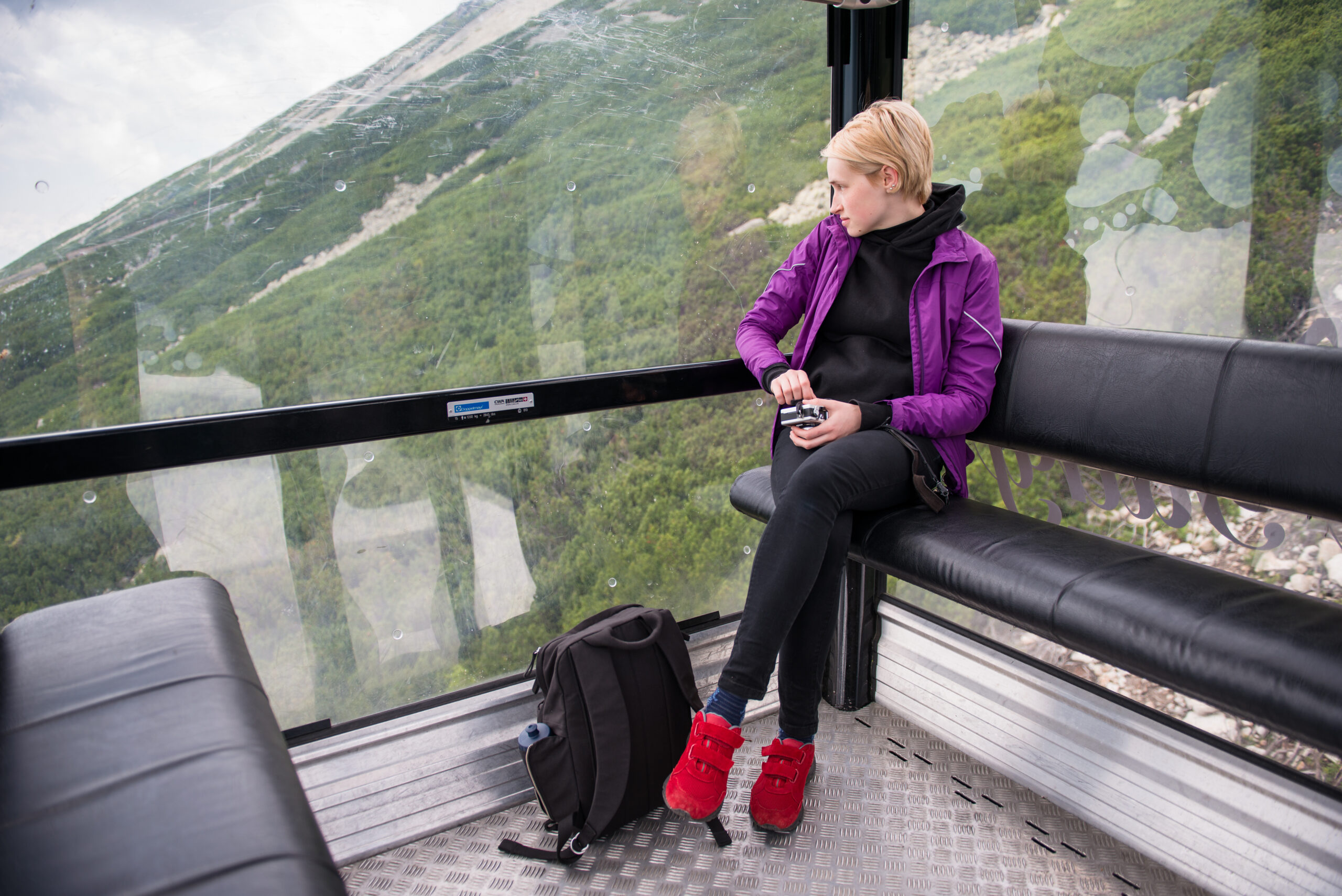
I’ll never forget scrolling through Instagram before my first proper hike, seeing photos of hikers with colour-coordinated technical clothing, top-of-the-line backpacks, and equipment that probably cost more than my monthly rent. I looked down at my old trainers and wondered if I was even allowed on trails without investing hundreds of euros in specialist gear first. The message seemed clear: serious hiking required serious investment.
That intimidating perception kept me off trails for months longer than necessary. When I finally worked up the courage to attempt a hike in my budget athletic clothes and a borrowed backpack, I discovered something the outdoor industry doesn’t advertise loudly: you don’t need fancy gear to enjoy hiking. The Instagram hikers with their matching Arc’teryx outfits weren’t having more fun or hiking better trails than I was in my supermarket leggings and decade-old fleece.
The outdoor equipment industry is worth billions, and much of that revenue comes from convincing people they need specialized, expensive gear for activities humans have done for millennia with far simpler equipment. While some gear genuinely improves safety and comfort, much of it is nice-to-have rather than essential. This guide cuts through the marketing to reveal what you actually need to start hiking, what can wait, and how to approach gear purchases intelligently regardless of your budget.
The Marketing Machine Behind Outdoor Gear
Before addressing specific equipment, let’s acknowledge the powerful forces encouraging unnecessary purchases. The outdoor industry has become remarkably skilled at making people feel inadequate or unprepared without the latest technical fabrics, newest shoe technology, or most advanced navigation devices. Influencers showcase expensive gear in beautiful locations, outdoor magazines feature glowing reviews of premium equipment, and advertising suggests that proper hiking experiences require proper hiking gear.
This creates a psychological barrier where potential hikers delay starting because they believe they need to acquire extensive equipment first. The truth is that gear companies profit from selling you things, not from you actually hiking. They have financial incentive to convince you that last year’s perfectly functional jacket is now obsolete, that you need separate equipment for different trail conditions, and that budget alternatives won’t provide a genuine hiking experience.
Understanding this marketing reality helps you approach gear decisions more critically. When you see an advertisement or review for expensive equipment, ask yourself: is this solving a problem I actually have, or is it creating anxiety about a problem I didn’t know existed? The latter is remarkably common in outdoor gear marketing.
What Actually Matters: The True Essentials
Let’s start with what genuinely matters for safe, comfortable hiking. These are the areas where investing some thought and resources makes a real difference to your experience.
Footwear stands out as the single most important equipment consideration. Your feet carry you through every step of every hike, and uncomfortable or inappropriate shoes can transform an enjoyable trail into a painful ordeal. However, this doesn’t mean you need expensive hiking boots. It means you need footwear appropriate for the terrain you’re hiking with proper fit and adequate support. For many beginners hiking well-maintained trails, a decent pair of trail running shoes or even sturdy trainers works perfectly well. The key factors are good tread for grip, reasonable water resistance or quick-drying capability, and comfort during extended walking.
I hiked for over a year in €60 trail running shoes from a sports chain before investing in more expensive boots, and those budget shoes served me perfectly well on countless trails. They weren’t as durable as premium options and eventually wore out faster, but they allowed me to start hiking immediately rather than saving for months to afford top-tier footwear. When I finally bought expensive hiking boots, I appreciated the upgrade, but I don’t regret starting with cheaper shoes that let me discover whether I’d actually stick with hiking before making a major investment.
Weather protection represents the second genuinely important gear category. Being caught in unexpected rain without protection isn’t just uncomfortable—it can be dangerous if temperatures drop and wet clothing leads to hypothermia. However, weather protection doesn’t require expensive outdoor-specific jackets. A basic waterproof jacket from any shop works fine initially. Yes, a technical shell from Patagonia or Arc’teryx performs better in extreme conditions, but for beginner day hikes on accessible trails, basic waterproof protection is sufficient. The critical factor is having something rather than nothing.
The same principle applies to other weather-appropriate clothing. Hiking in cold weather requires warm layers, but those layers don’t need to be expensive merino wool or technical fleece. A warm jumper from your existing wardrobe works perfectly well. Hot weather hiking needs sun protection and breathable clothing, but high-street athletic wear provides this without outdoor-brand premiums. The outdoor industry has convinced many people that cotton is dangerous and only technical fabrics are safe for hiking, but humans hiked for generations in cotton clothing. It’s not optimal—cotton takes forever to dry when wet and provides no insulation when damp—but it’s not going to kill you on a day hike where you’re never far from safety.
Carrying water represents the third essential element. You need adequate hydration, but this doesn’t require a specialized hydration system or expensive water bottles. A reused plastic bottle from the supermarket works just as well as a €40 branded hiking bottle for keeping you hydrated. Staying properly hydrated matters enormously; the specific container holding your water matters very little.
What Doesn’t Matter: Common Gear Myths
Now let’s address equipment that’s heavily marketed but genuinely unnecessary for most hikers, especially when starting out.
Trekking poles are sold as essential hiking equipment, with entire marketing campaigns dedicated to explaining why you can’t possibly hike safely without them. The reality is more nuanced. Trekking poles provide genuine benefits for some people in some situations—they reduce knee strain on steep descents, improve stability on uneven terrain, and can help with river crossings. However, they’re absolutely not essential for beginner hiking on moderate trails. Humans have been walking upright without poles for millions of years. Your body is capable of hiking without additional support equipment.
I resisted buying trekking poles for ages because they seemed like unnecessary expense and extra things to carry. When I finally tried them on a particularly steep descent, I understood their value for that specific situation. Now I use them selectively on challenging hikes but leave them home for easy trails. They’re useful tools, not essential equipment, and certainly not something you need before starting hiking.
GPS devices and navigation technology represent another area of aggressive marketing. Yes, getting lost is a legitimate safety concern, and navigation tools are valuable. But you don’t need a €400 GPS watch or dedicated navigation device to hike safely. Your smartphone with a free app like AllTrails or Maps.me provides excellent navigation capability when you download offline maps before your hike. Bring a portable battery charger if you’re worried about phone battery life. For established, well-marked trails, you likely won’t even need to check navigation frequently. Save the specialized GPS devices for remote wilderness hiking, not your local nature reserve.
Specialized hiking trousers are marketed as essential for trail comfort and performance, with features like articulated knees, reinforced patches, and moisture-wicking fabrics. While these features are nice, they’re hardly necessary. Standard athletic leggings, joggers, or even jeans work fine for casual hiking. Yes, technical hiking trousers perform better in some ways—they dry faster when wet, move more freely, and are more durable. But performing slightly better doesn’t make them essential. Wear comfortable trousers you already own and invest in specialized hiking trousers only if you find yourself hiking so frequently that the performance benefits justify the cost.
The same applies to base layers, specialized socks, gaiters, neck warmers, and countless other marketed accessories. Each provides incremental improvements in specific situations, but none are essential for starting to hike. The outdoor industry wants you to believe that hiking requires an entirely specialized wardrobe separate from your normal clothing. In reality, athletic or casual clothes you already own work perfectly well for most hiking situations.
Building a Functional Kit on Any Budget
Approaching gear acquisition strategically allows you to start hiking immediately regardless of budget while gradually improving your equipment as you discover what matters to you personally.
Start with what you already own. Look through your existing wardrobe and equipment before buying anything. Most people already possess items that work perfectly well for hiking: comfortable shoes with decent tread, weather-appropriate clothing, a backpack of some sort, and water bottles. Your running shoes might not be ideal hiking footwear, but they’ll certainly allow you to try hiking and discover whether you enjoy it before investing in specialized boots. That old backpack from university isn’t designed for hiking, but it holds water bottles and snacks just fine for a few hours on the trail.
When you do need to purchase items, prioritize based on what hiking you’re actually doing rather than theoretical future adventures. If you’re hiking gentle woodland trails in summer, prioritize sun protection and comfortable shoes. Save the waterproof jacket purchase for when weather actually threatens. If you’re hiking in your local area with well-marked trails, navigation equipment can wait. Buy for your current reality, not your aspirational fantasy hiking life.
Consider the second-hand market for outdoor gear. Hiking equipment is remarkably durable, and many people buy expensive gear, use it briefly, then abandon their hiking aspirations, leaving barely-used equipment available at fraction of original cost. Websites like Vinted, Facebook Marketplace, or local charity shops often stock quality outdoor gear at budget prices. A second-hand €200 jacket purchased for €50 performs identically to the same jacket bought new. The outdoor industry doesn’t want you to know this, but most hiking gear isn’t actually worn out or used up by previous owners—it’s simply replaced when they upgrade unnecessarily.
Budget outdoor brands provide another avenue for affordable equipment. Companies like Decathlon offer hiking-specific gear at remarkably reasonable prices. While this equipment won’t have the cachet of premium brands or the absolute top-tier performance, it’s specifically designed for hiking and often represents excellent value. A €40 Decathlon waterproof jacket won’t win design awards and might not last as many years as a €300 premium alternative, but it will keep you dry on trails while you’re discovering whether hiking becomes a lasting interest.
When Premium Gear Actually Makes Sense
Having argued strongly against unnecessary gear purchases, I should acknowledge that premium equipment genuinely makes sense in certain situations. Understanding when investment is worthwhile prevents both unnecessary spending and false economy that leads to discomfort or safety issues.
If you’re hiking regularly in challenging weather conditions, investment in quality waterproof layers becomes justified. A cheap waterproof jacket that keeps you dry during occasional light rain struggles in persistent downpours or high winds. If you live in the UK or Ireland where rain is frequent and hike year-round, a proper waterproof shell with good breathability and weather protection stops being a luxury and becomes a practical necessity. The key is reaching this conclusion based on your actual hiking experience rather than preemptive anxiety about theoretical bad weather.
Similarly, if you discover you’re hiking long distances regularly, investment in quality footwear becomes worthwhile. Budget shoes work fine for occasional 5-kilometer walks, but if you’re regularly hiking 15-20 kilometers, the superior support, durability, and comfort of premium hiking boots or shoes justifies the cost through reduced fatigue and injury risk. Let your actual hiking practice inform these decisions rather than buying expensive boots before you know if you’ll use them enough to justify the investment.
Multi-day hiking or backpacking represents another situation where gear quality matters significantly more. Carrying everything you need for days on your back makes pack comfort, weight, and organization much more critical than for day hiking. If you progress to overnight trips, investment in a proper backpacking pack, sleeping system, and lighter equipment makes sense. But again, this should follow from demonstrated interest in backpacking, not precede it.
The general principle is that gear upgrades should solve problems you’ve actually encountered through hiking rather than problems you imagine you might encounter. When cheap gear fails you repeatedly or specific discomforts become limiting factors in your hiking enjoyment, that’s when investment in better equipment makes sense. Until then, adequate budget gear serves you perfectly well.
The Gear Upgrade Trap
One subtle psychological trap that captures many hikers is the continuous upgrade cycle. You start hiking with basic gear, eventually upgrade to mid-range equipment when you become more serious, then find yourself eyeing premium gear as you become increasingly invested in the activity. Each upgrade provides marginal improvements but also resets your baseline expectations, making previously satisfactory equipment suddenly seem inadequate.
This pattern is particularly insidious because there’s always something better available. No matter what gear you own, premium brands release new models with incremental improvements every year. Outdoor magazines and websites constantly review the latest equipment, making you aware of features your current gear lacks. Social media shows you other hikers’ impressive equipment collections, suggesting that serious hikers continuously invest in the best gear.
Breaking this cycle requires consciously deciding what “good enough” looks like for you personally. If your current gear allows you to hike safely and comfortably in the conditions you actually encounter, it’s adequate regardless of what premium alternatives exist. Upgrades should be driven by genuine functional needs, not by marketing-induced dissatisfaction with perfectly serviceable equipment.
I catch myself falling into this trap regularly. My hiking boots work perfectly well, but then I see someone with newer boots featuring supposedly revolutionary sole technology, and suddenly my boots seem outdated. Recognizing this pattern helps me question whether I’m responding to actual inadequacy in my equipment or manufactured desire created by exposure to marketing. Usually it’s the latter, and the recognition alone short-circuits the upgrade impulse.
What About Safety Equipment?
Safety gear deserves special consideration because this is where budget decisions potentially impact your wellbeing. However, even here, expensive doesn’t automatically mean safer, and much safety depends on knowledge and judgment rather than equipment.
A basic first aid kit is genuinely important and costs very little to assemble yourself. Plasters, pain relief medication, bandages, and basic supplies cover most trail emergencies. Pre-made hiking first aid kits are convenient but marked up significantly—you’re paying for packaging and branding. A small ziplock bag with essentials from your local pharmacy works just as well.
Emergency shelter and fire-starting equipment are often marketed as essential safety gear. For day hiking on established trails in populated areas, these are unnecessary. You’re never far enough from civilization that you need to build emergency shelters or start fires. These become relevant for remote wilderness hiking or winter mountaineering, but that’s advanced territory, not beginner day hiking. If you’re hiking in conditions where emergency shelter matters, you’ve probably moved well beyond the basic hiking this article addresses.
Headtorches or flashlights represent sensible safety equipment for the price. Even if you plan to finish before dark, having emergency lighting if something delays you costs perhaps €15-20 and provides genuine peace of mind. This is smart investment in safety without requiring expensive specialist equipment.
The most important safety equipment costs nothing: knowledge, judgment, and communication. Telling someone your hiking plans and expected return time provides more safety value than any gear purchase. Understanding weather forecasts, knowing your limits, and having the judgment to turn back when conditions deteriorate matters far more than owning emergency equipment. The outdoor industry can’t monetize good judgment, so they emphasize equipment instead, but don’t be fooled about where real safety comes from.
The Minimalist Hiker Philosophy
Some of the most experienced and capable hikers I’ve encountered practice a minimalist approach to gear that runs counter to consumer culture. They’ve learned through thousands of trail kilometers that less equipment often means more freedom, and that resourcefulness matters more than having specialized tools for every situation.
This minimalist philosophy doesn’t mean hiking unprepared or rejecting useful equipment. It means questioning every item’s necessity and carrying only what genuinely enhances safety or comfort. It means choosing versatile items that serve multiple purposes over single-function specialized gear. It means trusting your capabilities and knowledge rather than depending on equipment to compensate for lack of skills.
You can adopt aspects of this philosophy even as a beginner. Before buying any piece of gear, ask yourself: what problem does this solve? Have I actually encountered this problem while hiking, or am I anticipating a theoretical issue? Can something I already own address this adequately? Would developing a skill or knowledge eliminate the need for this equipment?
This questioning approach prevents accumulation of unnecessary gear while ensuring you acquire what genuinely matters. It also saves you money, reduces the weight you carry, and simplifies your hiking practice. Some of my most enjoyable hikes have been impromptu adventures with minimal gear—just comfortable shoes, a water bottle, and a jacket tied around my waist. The simplicity created space for the hiking experience itself rather than equipment management.
Moving Forward: A Practical Approach
If you’re interested in starting hiking but have been delayed by concerns about needing expensive equipment, I encourage you to start immediately with what you have. Look in your closet right now. You almost certainly own shoes suitable for a gentle trail walk, weather-appropriate clothing, and a bag that can carry water and snacks. That’s sufficient for your first hiking experience.
Go hike an easy local trail this weekend in whatever suitable clothes you own. Notice what works well and what causes discomfort. Perhaps your shoes are fine but you wish you’d brought more water. Maybe your jacket works well but your trousers chafe. These direct experiences from actual hiking provide infinitely more useful information for gear decisions than anything you read online or see in marketing materials.
Let your gear collection grow organically based on problems you actually encounter. If you hike regularly and keep getting caught in rain, invest in a good waterproof jacket. If your feet hurt after every hike, prioritize better footwear. If you’re constantly thirsty because you underestimate water needs, buy a larger water container. But make these purchases in response to demonstrated needs, not anticipated fears.
Remember that hiking existed long before technical fabrics, GPS watches, and specialized equipment. People explored mountains, forests, and valleys in cotton clothing with basic supplies for centuries. You have access to far better equipment than any historical explorer, even if you’re shopping budget options. Modern budget gear would seem like advanced technology to hikers from previous generations.
The trails don’t care what you’re wearing or how much your equipment cost. They offer their beauty, challenge, and peace equally to everyone who shows up, regardless of whether they’re dressed head-to-toe in premium outdoor brands or wearing supermarket athletic wear. The hiking experience—the views, the physical challenge, the mental clarity, the connection with nature—comes from being there, not from what you’re wearing while you’re there.
What’s your experience with hiking gear? Have you found expensive equipment essential, or do you hike happily with budget gear? Share your perspective in the comments—your experience might help someone else feel confident starting their hiking journey without breaking the bank.
Leave a Reply