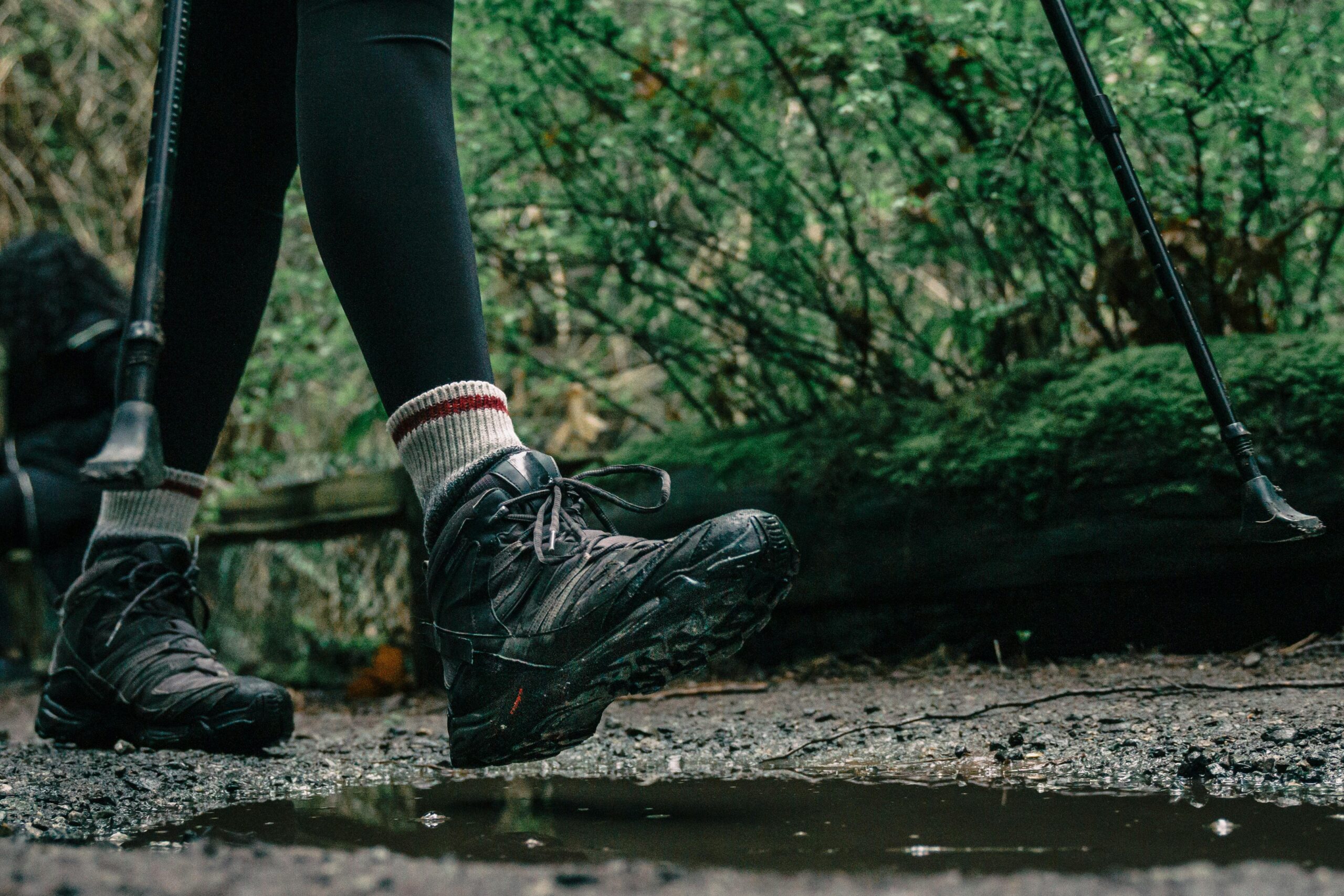
Standing in the hiking shoe aisle of a massive outdoor shop, surrounded by hundreds of boots and shoes that all looked vaguely similar, I felt completely overwhelmed. The salesperson asked about my “pronation pattern” and “typical terrain profile,” and I had absolutely no idea what either meant. Labels advertised Gore-Tex, Vibram soles, and various technical features I didn’t understand. Prices ranged from €50 to €400, and I couldn’t tell what justified the difference. I left empty-handed, more confused than when I’d arrived.
That experience is remarkably common. Choosing your first hiking shoes feels unnecessarily complicated because the outdoor industry uses technical jargon, emphasizes features most beginners don’t need, and generally assumes knowledge that newcomers simply don’t have. But here’s the truth: selecting appropriate hiking footwear doesn’t require expert knowledge or a massive budget. It requires understanding a few fundamental principles about fit, terrain, and personal needs.
This comprehensive guide walks you through everything you need to know to choose your first hiking shoes confidently, covering the difference between boots and shoes, how to determine proper fit, what features actually matter, how terrain influences your choice, and how to avoid the common mistakes that leave beginners with expensive footwear gathering dust in their closets.
Understanding Your Options: Boots vs. Shoes vs. Trail Runners
The first decision you’ll face is what type of footwear suits your hiking needs. The outdoor industry offers three main categories, each with distinct advantages and appropriate use cases.
Traditional hiking boots are what most people picture when they think of hiking footwear—leather or synthetic boots rising above the ankle, often with substantial weight and robust construction. These boots dominated hiking for decades and still serve specific purposes well. The high ankle provides stability and support, particularly when carrying heavy loads or navigating very uneven terrain. The substantial construction offers durability and protection from rocks, roots, and rough conditions. However, boots come with significant disadvantages for many hikers. They’re heavy, which means your legs work harder with every step. They require extensive break-in periods before becoming comfortable, and if you don’t break them in properly, they cause painful blisters. They’re often expensive, and they can feel restrictive and clunky, especially if you’re used to lighter athletic footwear.
For beginner hikers tackling well-maintained trails without heavy backpacks, traditional hiking boots are often unnecessary. The ankle support they provide matters more for technical terrain and heavy loads than for typical day hiking. Many beginners buy boots because they seem like “proper” hiking footwear, then find them uncomfortable and cumbersome for the type of hiking they actually do.
Hiking shoes represent a middle ground between boots and trail runners. They look like low-top hiking boots—similar materials and construction but without the high ankle. These shoes provide more support and durability than trail runners while being lighter and more flexible than boots. They don’t require as much break-in time, they work well for moderate hiking with day-pack loads, and they offer good traction on varied terrain. For many beginners, hiking shoes represent the best balance of support, comfort, and versatility. They feel more substantial than regular athletic shoes but don’t have the weight and bulk of boots.
Trail running shoes have become increasingly popular for hiking in recent years, and for good reason. These lightweight shoes were designed for running on trails, but they work excellently for hiking as well. They’re comfortable immediately without break-in, they’re light enough that your legs fatigue less over long distances, and they often cost less than boots or hiking shoes. The main drawbacks are reduced durability compared to heavier footwear and less protection from sharp rocks or roots. They also offer minimal ankle support, though as mentioned earlier, ankle support is less critical than marketing suggests for most hiking situations.
I started with trail running shoes and used them happily for over a year before investing in more substantial hiking shoes. Those lightweight trail runners allowed me to discover my love of hiking without a major financial investment or the discomfort of breaking in stiff boots. When I eventually bought proper hiking shoes, I appreciated having both options—trail runners for easy summer hikes and hiking shoes for more challenging or muddy conditions.
The Single Most Important Factor: Proper Fit
Everything else about hiking shoes is secondary to fit. The most expensive, technically advanced boots in the world will make you miserable if they don’t fit your feet properly, while budget shoes that fit well will serve you beautifully. Understanding what proper fit feels like and how to assess it prevents the single biggest mistake beginner hikers make—buying shoes that look right but feel wrong.
Hiking shoe fit differs from regular shoe fit in several important ways. Your feet swell during extended hiking, particularly in warm weather or on long distances. Shoes that feel perfect in the shop might become uncomfortably tight after several hours on the trail. Additionally, hiking involves significant downhill walking, which pushes your feet forward in your shoes. If there isn’t adequate room, your toes will jam against the front of the shoe with every downhill step, leading to black toenails or painful pressure.
The general rule is that you should have about a thumb’s width of space between your longest toe and the front of the shoe when standing with your weight distributed normally. This seems like a lot of space—more than you’d want in regular shoes—but it’s essential for hiking. When trying on shoes, wear the socks you’ll actually hike in (proper hiking socks, not thin casual socks) and test fit in the afternoon or evening when your feet are slightly swollen from daily activity, more closely approximating how they’ll feel while hiking.
Width matters as much as length. Shoes that are too narrow compress your feet painfully, particularly during the swelling that occurs on longer hikes. Too wide, and your feet slide around inside the shoes, causing blisters from friction. Your feet should feel comfortably held without pressure points. Many brands offer shoes in different width options, and some brands naturally run wider or narrower than others. Salomon tends to run narrower, while Altra offers notably wide toe boxes. If you have particularly wide or narrow feet, research which brands accommodate your foot shape before shopping.
The heel should feel snug without slipping. When you walk, your heel should stay planted in the heel cup rather than lifting up and down. Heel slippage causes blisters on the back of your ankle—one of the most common and painful hiking footwear problems. Lace the shoes properly (more on this later) and walk around the shop, including up and down inclines if possible. Your heel should feel locked in place.
Pay attention to pressure points or uncomfortable spots even when the shoes are new. Some people assume discomfort will disappear with break-in, but often it doesn’t—it just becomes familiar pain rather than unfamiliar pain. If shoes feel uncomfortably tight across the top of your foot, pinch your toes, or rub your heel even in the shop, they’re not the right shoes for you regardless of how perfect they seem otherwise.
Terrain Considerations: Matching Shoes to Your Hiking
Different hiking environments demand different footwear characteristics. Understanding what terrain you’ll actually hike helps narrow your choices significantly and prevents buying shoes that are either overbuilt for your needs or inadequate for your conditions.
Well-maintained trails with relatively even surfaces don’t demand heavy-duty footwear. If you’re hiking paved paths, smooth woodland trails, or gentle terrain without significant obstacles, lightweight trail runners or hiking shoes work perfectly. You don’t need aggressive tread, substantial ankle support, or heavy construction. Prioritize comfort and light weight instead, which will make the hiking experience more enjoyable and less fatiguing.
Rocky or technical terrain requires more substantial footwear with specific features. Sharp rocks can bruise your feet through thin soles, so look for shoes with adequate cushioning and rock plates (protective layers built into the sole). More aggressive tread patterns provide better grip on uneven surfaces. Shoes with reinforced toe caps protect your toes when you inevitably kick rocks while climbing. If the trails you plan to hike involve scrambling over boulders, steep rocky ascents, or lots of loose stone, invest in more robust hiking shoes or even light boots rather than minimal trail runners.
Muddy or wet conditions make waterproofing an important consideration, though it’s more nuanced than simply “waterproof is always better.” Waterproof shoes, typically featuring Gore-Tex or similar membranes, keep external moisture out effectively. They’re excellent for hiking through wet grass, crossing shallow streams, or dealing with muddy trails. However, waterproof membranes also trap moisture inside the shoe. If water gets in over the top of the shoe (deep puddles, river crossings) or from sweat, it can’t escape, leaving your feet wet for the rest of your hike. In warm weather, waterproof shoes can make your feet uncomfortably hot and sweaty.
Non-waterproof shoes allow your feet to breathe better and dry quickly if they get wet. For summer hiking or dry conditions, breathable non-waterproof shoes often feel more comfortable. Many experienced hikers prefer non-waterproof shoes and simply accept that their feet might get wet, knowing they’ll dry relatively quickly. If you live in the UK, Ireland, or other consistently wet climates, waterproof shoes probably make sense for year-round hiking. In drier climates or for summer-only hiking, breathable non-waterproof options might serve you better.
Seasonal hiking needs also influence your choice. Winter hiking or cold-weather conditions benefit from insulated hiking boots that keep your feet warm. Summer hiking in hot climates works better with breathable, lightweight shoes. If you’re buying one pair of shoes to cover all conditions, accept that they’ll be a compromise—perhaps waterproof hiking shoes that work reasonably well in both wet and dry conditions, both warm and cool weather, even if they’re not optimal for any specific situation.
Essential Features Worth Understanding
Hiking shoe marketing overwhelms beginners with technical features, but understanding a few key elements helps you make informed decisions without getting lost in jargon.
The outsole is the bottom of the shoe that contacts the ground, and it significantly impacts your hiking experience. Most quality hiking shoes use rubber compounds from companies like Vibram, known for durability and grip. The tread pattern matters for different terrain—deeper, more aggressive lugs provide better traction in mud and loose terrain, while shallower patterns work fine for maintained trails. The rubber compound affects grip and durability, with softer compounds providing better traction but wearing out faster, while harder compounds last longer but can be slippery on wet rocks.
The midsole sits between the outsole and your foot, providing cushioning and support. Common materials include EVA foam (lightweight, good cushioning, but compresses over time) and polyurethane (heavier, firmer, more durable). Some shoes include shanks or plates in the midsole for additional stability and protection from sharp objects. For beginners hiking moderate trails, standard EVA midsoles provide adequate cushioning and support without unnecessary weight.
Upper materials vary widely in hiking shoes. Full-grain leather is durable and protective but heavy, expensive, and requires significant break-in. Split-grain leather or nubuck offers some leather benefits with less weight. Synthetic materials like nylon mesh are lightweight, breathable, dry quickly, and require minimal break-in, but they’re less durable than leather. For first hiking shoes, synthetics or synthetic-leather combinations make sense—you get immediate comfort and reasonable durability without the cost and break-in demands of full leather.
The tongue and collar padding affects comfort around your ankle and over the top of your foot. Adequate padding prevents the laces from creating pressure points, but excessive padding adds weight without significant benefit. The key is trying shoes on to ensure the padding feels comfortable against your foot without creating hot spots.
Lacing systems matter more than many people realize. Standard lacing works perfectly well, but some systems include features like lace locks that allow you to adjust tension differently in different zones of the shoe. Heel-lock lacing (using the extra top eyelet most hiking shoes have) prevents heel slippage and is worth learning to do properly. Quick-lace systems with one-pull tightening are convenient but can be difficult to adjust precisely and create single points of failure if the cord breaks.
Budget Considerations and Where to Spend Money
Hiking shoe prices range from under €50 to over €400, creating confusion about what constitutes good value. Understanding where price differences come from helps you decide how much to invest in your first pair.
Budget hiking shoes (€40-80) from retailers like Decathlon or basic lines from major brands offer adequate performance for casual hiking. These shoes use less expensive materials, have simpler construction, and won’t last as many kilometers as premium options. However, they’re specifically designed for hiking, which means they provide appropriate tread, support, and protection for trail use. For beginners uncertain whether hiking will become a regular activity, starting with budget shoes makes perfect sense. You can hike comfortably while discovering whether you enjoy it enough to justify investing more.
Mid-range hiking shoes (€80-150) represent the sweet spot for most hikers. Brands like Merrell,Salomon,Keen, and Columbia offer solid construction, good materials, reasonable durability, and time-tested designs in this range. These shoes will comfortably handle regular hiking and last through a few seasons of frequent use. If you’re confident you’ll hike regularly, investing in mid-range shoes provides better long-term value than buying budget shoes you’ll quickly outgrow.
Premium hiking shoes (€150-250+) from brands like Scarpa,La Sportiva,Lowa, or top-end models from mainstream brands offer marginal improvements over mid-range options. They might use slightly better materials, have more refined construction, or last somewhat longer. However, the performance difference for most hiking situations is modest. Premium shoes make sense if you’re hiking very frequently, tackling challenging terrain regularly, or if you’ve identified specific needs that premium features address. For first hiking shoes, the premium tier is usually unnecessary unless you have unusual fit requirements that only specific premium brands accommodate.
The cost-per-wear calculation matters more than absolute price. Shoes that cost €150 but last through 200 hikes work out to €0.75 per hike. Shoes that cost €60 but last only 40 hikes before wearing out cost €1.50 per hike. If you hike regularly, mid-range shoes often provide better value than budget options that need replacing more frequently. However, if you’re genuinely unsure about your commitment to hiking, starting cheaper and upgrading later makes more financial sense than investing heavily in equipment you might barely use.
Common Mistakes First-Time Buyers Make
Learning from others’ mistakes helps you avoid the most common pitfalls when buying your first hiking shoes.
The biggest mistake is prioritizing appearance over fit and function. Hiking shoes aren’t fashion statements—they’re functional equipment. It doesn’t matter if they look stylish if they give you blisters five kilometers into every hike. Similarly, buying shoes because they’re on sale or because a particular brand has prestige misses the point. The best hiking shoes for you are the ones that fit your feet properly and suit your hiking style, regardless of brand reputation or aesthetics.
Buying boots when shoes would suffice is another common error. Many beginners assume hiking requires tall boots because that’s what they see in marketing images and what older hiking advice recommends. Modern hiking shoes and trail runners perform excellently for most hiking situations, and they’re more comfortable and less demanding than boots for many people. Unless you’re specifically hiking with heavy loads, on very technical terrain, or in conditions where ankle support genuinely matters, consider whether you actually need boots before committing to their weight and break-in requirements.
Insufficient break-in causes preventable pain. Even shoes that fit perfectly in the shop need gradual introduction to extended use. Wearing brand-new shoes on an ambitious hike is asking for blisters and discomfort. Break in new hiking shoes by wearing them around your house, then on short walks, then on easy brief hikes before attempting longer or more challenging trails. This allows the materials to mold to your feet, identifies any problem areas while you can still return or exchange the shoes, and lets you develop calluses where friction occurs.
Neglecting sock choice undermines even perfect shoes. Hiking socks are thicker, more cushioned, and more technical than regular socks, and they significantly impact comfort. Always try hiking shoes on with the socks you’ll actually wear while hiking. Cotton socks retain moisture and cause blisters. Invest in proper hiking socks made from merino wool or synthetic materials designed for hiking—they cost more than regular socks but make an enormous difference in comfort and blister prevention.
Buying shoes too small is surprisingly common. People accustomed to fitted athletic or casual shoes feel like hiking shoes with proper toe space are too large. Remember that your feet swell while hiking and push forward on descents. That extra space isn’t wasteful—it’s essential. Tight shoes cause black toenails, blisters, and foot pain that can ruin hikes and even cause injury.
Testing Shoes Properly Before Buying
Trying on shoes in a shop requires more than simply putting them on and walking to the mirror. Proper testing reveals how shoes will actually perform on trails.
When you’re in the shop, spend time wearing the shoes. Don’t just slip them on for 30 seconds and make a decision. Wear them for at least 10-15 minutes, walking around continuously. If the shop has an incline ramp (many outdoor retailers do), use it extensively. Walk uphill to test whether your heel slips. Walk downhill to verify your toes don’t jam into the front of the shoe. If there’s no incline, walk around the shop stepping up onto any available raised surfaces to simulate uphill and downhill hiking.
Try shoes on with both feet simultaneously and walk around, not just standing. Feet are rarely perfectly symmetrical—most people have one foot slightly larger than the other. Ensure shoes fit comfortably on both feet, not just the one that happens to be more standard-sized. When walking, notice whether your feet slide around inside the shoes, whether the heel stays planted, whether there are any pressure points or rubbing spots.
Bring your hiking socks to the shop, or ask if they have hiking socks you can try the shoes with. The thickness and cushioning of hiking socks affects fit significantly. Shoes that feel perfect with thin casual socks might be too tight with proper hiking socks.
Don’t be swayed by salespeople pushing expensive models or telling you that you “need” boots when you’d prefer shoes. Sales staff can be knowledgeable and helpful, but they also work on commission and may have incentives to sell particular products. Trust your own judgment about what feels comfortable and suits your needs. If a salesperson is pushy or dismissive of your preferences, shop elsewhere.
Consider shopping at retailers with good return policies, particularly online retailers like REI (if accessible in your region) that allow you to test shoes on actual hikes and return them if they don’t work out. Breaking in shoes on a real hike reveals fit issues that shop testing can’t identify. Having the option to return shoes that prove uncomfortable on trails removes significant purchase anxiety.
Breaking In Your New Hiking Shoes
Once you’ve selected and purchased hiking shoes, proper break-in prevents the painful blisters that cause many people to abandon new footwear prematurely.
Start by wearing your new shoes around the house for several hours on multiple occasions. This begins the break-in process in a controlled environment where you can take them off immediately if they become uncomfortable. Walk around while doing housework, cooking, or watching television. This allows the materials to begin conforming to your feet while identifying any significant fit problems early enough to return or exchange the shoes if necessary.
Progress to short walks in your neighborhood—20 to 30 minutes initially. These walks provide more extended use than house-wearing while keeping you close to home if discomfort develops. Pay attention to any spots that rub or feel uncomfortable. Small irritations during short walks often become significant problems on longer hikes, so address them now. Adjusting lacing, wearing different socks, or using preventive blister protection on identified problem spots solves most issues.
Gradually increase walk duration and introduce varied terrain. Once neighborhood walks feel comfortable, try the shoes on easy, short hikes—perhaps 3 to 5 kilometers on relatively flat trails. Only after several successful shorter hikes should you attempt longer or more challenging trails in new shoes. This progressive approach gives the shoes time to soften and mold to your feet while building small calluses where friction occurs, creating natural protection against blisters.
Modern hiking shoes, particularly those with synthetic uppers, require less break-in than traditional leather boots. Trail runners often need virtually no break-in and can be worn on long hikes immediately. However, it’s still wise to test them on shorter outings first to identify any individual fit issues specific to your feet.
Maintaining Your Hiking Shoes for Longevity
Proper care extends the life of hiking shoes significantly, maximizing your investment and maintaining performance.
Clean your shoes after muddy or particularly dirty hikes. Remove major mud clumps with a brush or stick, then rinse with water. Avoid putting hiking shoes in washing machines, which damages materials and construction. Hand cleaning with mild soap, water, and a brush works perfectly for maintaining shoes without causing damage. For waterproof shoes, periodic reapplication of DWR (durable water repellent) treatment restores water-shedding capability as the factory treatment wears off.
Dry shoes properly after wet hikes. Never put hiking shoes directly on radiators or heat sources, which damages materials and adhesives. Instead, remove insoles, open the shoes fully, and allow them to air dry at room temperature. Stuffing shoes with newspaper speeds drying by absorbing moisture. If shoes are extremely wet, changing the newspaper a few times helps. Proper drying prevents material degradation and the growth of odor-causing bacteria.
Store hiking shoes in a cool, dry place away from direct sunlight when not in use. UV exposure degrades materials over time, and excessive heat or humidity promotes breakdown. Shoes stored properly between hikes last significantly longer than those left in hot car boots or damp garages.
Replace shoes when they genuinely wear out, not based on arbitrary timeframes. Indicators that shoes need replacing include worn-through tread that no longer provides adequate grip, compressed midsoles that have lost cushioning and support, significant upper damage that compromises structure or allows debris entry, or separated soles beginning to detach from the upper. Until these significant wear indicators appear, your shoes remain functional regardless of how many kilometers they’ve covered.
When to Upgrade or Buy Additional Shoes
As you gain hiking experience, you might discover that one pair of shoes doesn’t optimally cover all your hiking needs. Understanding when to expand your footwear collection helps you make strategic purchases.
Seasonal variations often justify having multiple shoe options. Lightweight, breathable trail runners work beautifully for summer hiking but leave your feet cold and wet in winter conditions. Conversely, insulated waterproof boots perfect for winter hikes become uncomfortably hot in summer. If you hike year-round in a climate with significant seasonal variation, owning warm-weather and cold-weather footwear makes practical sense.
Different terrain demands might lead you to own shoes optimized for different conditions. Light trail runners excel on smooth, maintained trails but struggle on very rocky technical terrain. More substantial hiking shoes handle rough trails well but feel unnecessarily heavy on easy paths. Many hikers eventually own a lightweight pair for easy summer hikes and a more robust pair for challenging or muddy conditions.
However, resist the marketing pressure to own numerous specialized shoes for marginally different purposes. The outdoor industry profits from convincing you that you need separate shoes for every possible hiking scenario. In reality, most hikers can cover the vast majority of their hiking with one or two well-chosen pairs. Only expand your collection when you’re genuinely limited by your current footwear on hikes you regularly do, not because theoretical scenarios suggest you might someday need different shoes.
Your Perfect Hiking Shoes Are Waiting
Choosing your first hiking shoes doesn’t have to be overwhelming or complicated. Focus on proper fit above all else, match shoes to the terrain you’ll actually hike rather than aspirational adventures, start with mid-range options unless you’re certain about your commitment or lack thereof, and test shoes thoroughly before committing to long hikes in them.
The perfect hiking shoes are the ones that fit your feet comfortably, suit your hiking style and terrain, and allow you to spend hours on trails without thinking about your feet. They don’t need to be expensive, fashionable, or packed with every technical feature available. They simply need to work for you specifically.
Take your time with this decision. Visit shops and try multiple options. Read reviews online but remember that fit is individual—shoes other people love might not work for your feet. Walk around extensively before buying. Start with easier hikes to break shoes in properly. And most importantly, don’t let uncertainty about footwear delay your hiking any longer. Adequate shoes exist at every price point, and getting on trails in decent footwear beats delaying indefinitely while searching for perfect footwear.
The trails are waiting, and with the right shoes, you’ll be ready to explore them comfortably for years to come.
What’s been your experience choosing hiking shoes? Any mistakes you learned from or tips you’d share with someone buying their first pair? Drop your advice in the comments—your experience could help another hiker find their perfect footwear!
Leave a Reply