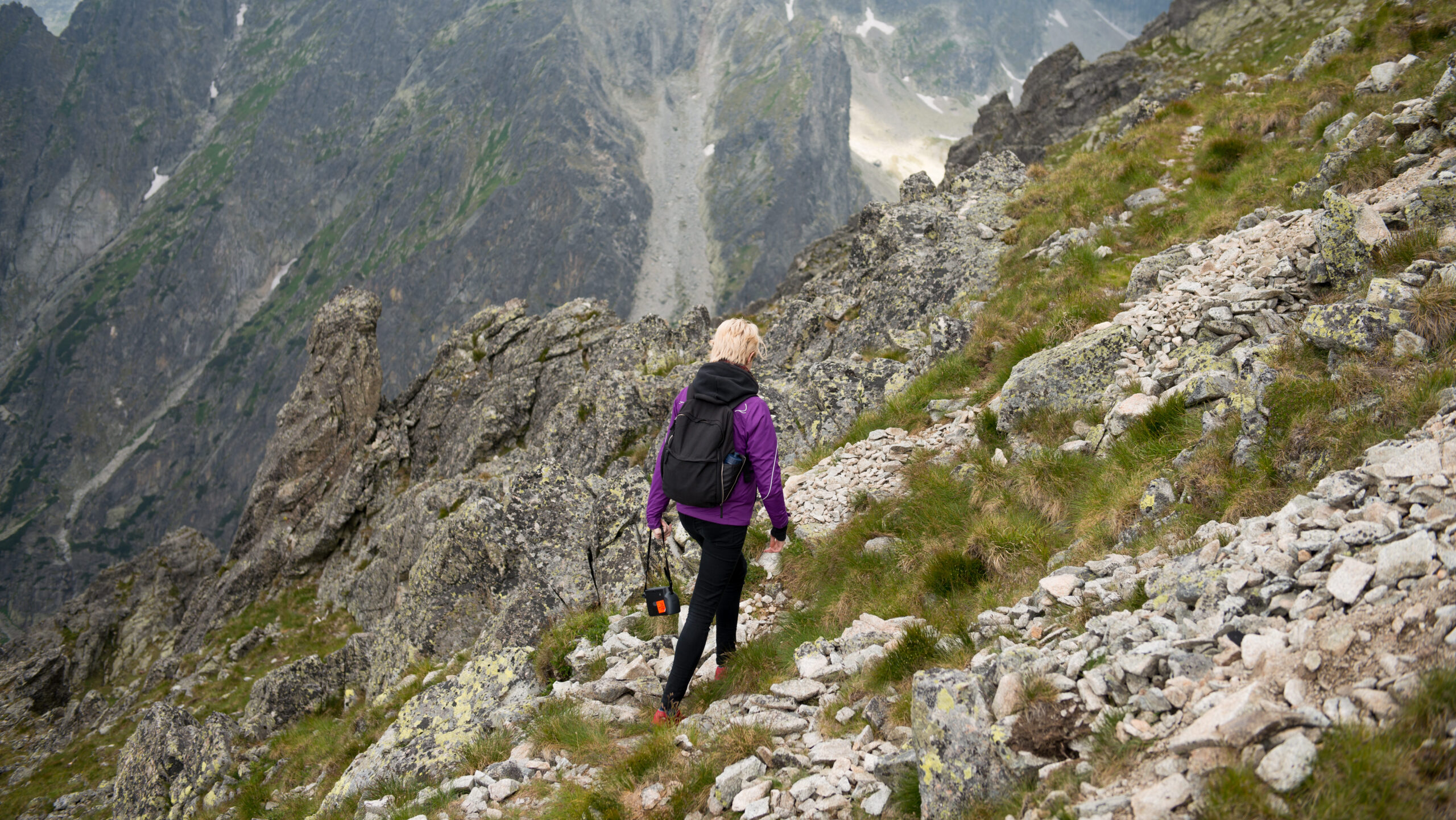
Starting your hiking journey can feel overwhelming. What gear do you actually need? How do you choose the right trail? What if you’re not fit enough? As someone who transformed from a complete outdoor novice to a passionate hiker exploring trails across Europe and beyond, I’m here to tell you that anyone can become a hiker—and I’ll show you exactly how to start.
This comprehensive beginner’s guide covers everything you need to know before your first hiking adventure, from essential equipment to trail selection and safety tips that will help you hike with confidence.
Why Hiking is the Perfect Outdoor Activity for Everyone
Hiking offers incredible physical and mental health benefits that make it one of the most rewarding outdoor activities you can pursue. Regular hiking improves cardiovascular fitness, strengthens muscles, reduces stress, and boosts mental wellbeing. Unlike gym memberships or expensive sports equipment, hiking is affordable, accessible, and suitable for all fitness levels.
Whether you’re exploring woodland trails in the UK, mountain paths in the Alps, coastal routes in Portugal, or forest hikes in Scandinavia, hiking connects you with nature while providing an excellent full-body workout at your own pace.
Choosing Your First Hiking Trail: What Beginners Need to Know
Selecting the right trail for your first hike is crucial for building confidence and enjoying the experience. Here’s how to choose wisely:
Start with easy, well-marked trails. Look for routes labeled as “easy” or “beginner-friendly” with minimal elevation gain. Aim for 3-5 kilometers for your first few hikes—distance that feels achievable without being overwhelming.
Choose popular trails near your location. Well-trafficked paths mean better trail maintenance, clear signage, and other hikers nearby if you need assistance. Research local nature reserves, country parks, or forest trails in your area.
Check trail reviews and conditions. Use hiking apps like AllTrails, Komoot, or local hiking websites to read recent reviews, check current trail conditions, and view photos from other hikers. This helps you know what to expect before you go.
Consider the terrain carefully. Flat forest paths or gentle lakeside walks are ideal for building stamina before tackling hills or mountain trails. Save steep inclines and rocky terrain for when you’ve gained more experience.
Essential Hiking Gear for Beginners: What to Wear and Bring
You don’t need expensive equipment to start hiking, but investing in a few key items will make your experience safer and more comfortable.
Footwear: Your Most Important Investment
Proper hiking footwear prevents blisters, provides ankle support, and improves traction on varied terrain. For beginners, choose:
- Hiking boots or trail shoes with good grip and ankle support
- Moisture-wicking hiking socks (avoid cotton, which causes blisters)
- Break in new footwear before your hike by wearing them around town
Clothing: Dress in Layers
European weather can be unpredictable, so layering is essential for comfortable hiking:
- Base layer: Moisture-wicking t-shirt or long-sleeve top
- Mid layer: Fleece or lightweight insulated jacket
- Outer layer: Waterproof, breathable rain jacket
- Trousers: Quick-dry hiking trousers or leggings (avoid jeans)
- Hat and gloves: Essential for mountain hikes or cooler seasons
Backpack Essentials: What to Pack for a Day Hike
A comfortable 20-30 liter daypack should contain:
- Water: At least 1-2 liters (hydration is crucial)
- Snacks: Energy bars, nuts, fruit, or sandwiches
- Navigation: Map, compass, or GPS device with offline maps
- First aid kit: Plasters, pain relievers, blister treatment
- Sun protection: Sunscreen, sunglasses, hat
- Emergency items: Whistle, torch, emergency blanket
- Mobile phone: Fully charged with emergency contacts
Hiking Safety Tips Every Beginner Should Follow
Safety should always be your top priority when hiking. Follow these essential safety guidelines:
Tell someone your plans. Always inform a friend or family member about your hiking route, expected return time, and emergency contact information.
Check the weather forecast. Mountain and coastal weather can change rapidly. Postpone your hike if severe weather is predicted.
Start early in the day. Beginning your hike in the morning gives you plenty of daylight and helps you avoid crowds.
Know your limits. Listen to your body. There’s no shame in turning back if you’re tired, the weather worsens, or something doesn’t feel right.
Stay on marked trails. Wandering off-path increases the risk of getting lost and can damage fragile ecosystems.
Learn basic navigation skills. Understanding how to read trail markers, use a map, and navigate with a compass builds confidence and safety.
Building Your Hiking Fitness: Training Tips for Beginners
You don’t need to be super fit to start hiking, but gradually building your fitness makes the experience more enjoyable.
Walk regularly. Start with daily walks in your neighborhood, gradually increasing distance and pace. Aim for 30-60 minutes of walking most days.
Add inclines progressively. Once comfortable with flat walks, incorporate hills or stairs to build leg strength and cardiovascular endurance.
Practice with a loaded backpack. Before your first proper hike, take walks wearing your packed daypack to get used to the extra weight.
Strengthen your core and legs. Simple exercises like squats, lunges, and planks improve stability and reduce injury risk on uneven terrain.
Remember, every experienced hiker started as a beginner. Building fitness happens gradually through consistent effort, not overnight transformation.
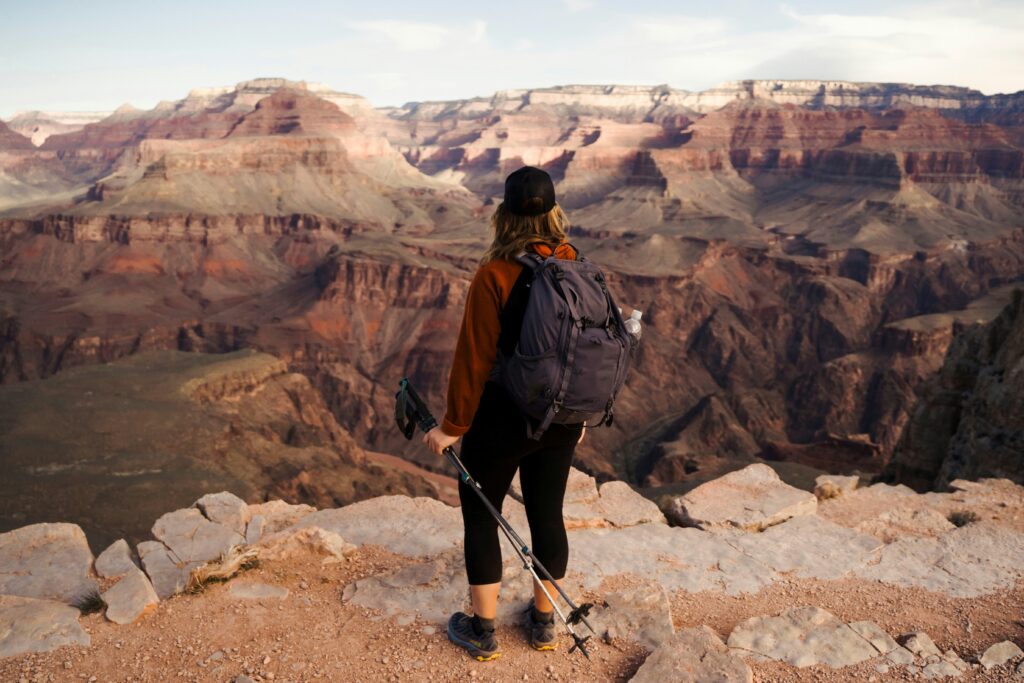
Best Seasons for Hiking in Europe: When to Hit the Trails
Each season offers unique hiking experiences across Europe:
Spring (March-May): Wildflowers bloom, temperatures are mild, and trails are less crowded. Perfect for woodland and lowland hikes, though mountain paths may still have snow.
Summer (June-August): Ideal for alpine hiking and mountain trails. Long daylight hours allow for longer adventures, but popular routes can be busy. Start early to avoid afternoon heat.
Autumn (September-November): My personal favorite season. Stunning foliage, comfortable temperatures, fewer crowds, and excellent visibility make autumn ideal for hiking throughout Europe.
Winter (December-February): Challenging but rewarding. Lowland and forest trails remain accessible, though daylight hours are shorter. Mountain hiking requires winter skills and equipment.
Common Beginner Hiking Mistakes (And How to Avoid Them)
Learning from others’ mistakes saves you discomfort and frustration:
Wearing new boots on your first hike. Always break in footwear beforehand to prevent painful blisters.
Underestimating water needs. Dehydration ruins hikes. Bring more water than you think necessary.
Ignoring trail difficulty ratings. “Moderate” trails can be genuinely challenging for beginners. Start with easy routes and progress gradually.
Forgetting to check sunset times. Ensure you have enough daylight to complete your hike safely, especially in autumn and winter.
Overpacking or underpacking. Find the balance between carrying essentials and avoiding unnecessary weight that slows you down.
Your First Hike: What to Expect and How to Enjoy It
Your inaugural hiking experience should be enjoyable, not stressful. Here’s what to expect:
You’ll likely feel excited and slightly nervous—completely normal! The first kilometer might feel awkward as you find your rhythm. Your breathing will quicken on inclines, and you might need breaks more frequently than expected.
Take your time. Stop to enjoy views, drink water, and catch your breath without rushing. Notice the sounds of nature, the fresh air, and the satisfaction of moving your body through beautiful landscapes.
Don’t compare yourself to faster hikers passing by. Your journey is personal, and every step forward is progress worth celebrating.
Join the Hiking Community: Resources and Support
The hiking community is incredibly welcoming to beginners. Connect with other hikers through:
- Local hiking groups: Search for walking clubs or hiking meetups in your area
- Online communities: Join hiking forums, Facebook groups, or Instagram communities
- Guided hikes: Many organizations offer beginner-friendly guided hikes with experienced leaders
- Hiking apps: Use AllTrails, Komoot, or ViewRanger to discover trails and connect with hikers
Ready to Start Your Hiking Adventure?
You now have all the knowledge you need to plan and enjoy your first hiking experience. The hardest part is taking that first step—literally and figuratively.
Choose an easy trail near you, gather your essential gear, check the weather forecast, and set a date for your first hike. Start small, be patient with yourself, and remember that every experienced hiker was once exactly where you are now.
The trails are waiting, and trust me—the views, the fresh air, and the sense of accomplishment you’ll feel are absolutely worth it.
What questions do you have about starting your hiking journey? What’s your biggest concern or excitement about your first trail? Share in the comments below, and let’s help each other get outdoors!
Leave a Reply