Kilometer eight of what should have been a beautiful ten-kilometer hike, I felt it—that unmistakable hot spot on my heel that meant a blister was forming. I ignored it, thinking I could push through the last two kilometers. By the time I reached the trailhead, I had a fluid-filled blister the size of a two-euro coin that made walking excruciating for the next week. That blister didn’t just ruin the end of my hike; it kept me off trails entirely until it healed, derailed my hiking fitness, and filled me with dread about future hikes.
That experience taught me something crucial: blisters are not an inevitable part of hiking that you simply endure. They’re preventable injuries caused by specific, addressable factors. Once I understood what causes blisters and implemented proper prevention strategies, my blister problems virtually disappeared. Now I regularly complete long hikes on challenging terrain without any blister issues, and when I occasionally feel a hot spot developing, I know exactly how to address it immediately before it becomes a problem.
Blisters are one of the most common hiking injuries, and they’re particularly frustrating because they’re entirely preventable yet capable of ruining otherwise wonderful outdoor experiences. This comprehensive guide reveals everything you need to know about preventing hiking blisters through proper footwear, sock selection, and foot preparation, plus how to treat blisters immediately when prevention fails so you can continue hiking comfortably.
Understanding What Causes Hiking Blisters
Preventing blisters effectively requires understanding the mechanism that creates them. Blisters aren’t random bad luck—they’re predictable responses to specific conditions you can control.
The fundamental cause of blisters is friction—repetitive rubbing between your skin and something else, typically your sock or shoe. This friction generates heat and gradually damages the outer layer of skin. Your body responds to this damage by producing fluid that accumulates between skin layers, creating the characteristic fluid-filled bubble we recognize as a blister. The fluid is essentially your body’s attempt to cushion and protect the damaged tissue while it heals.
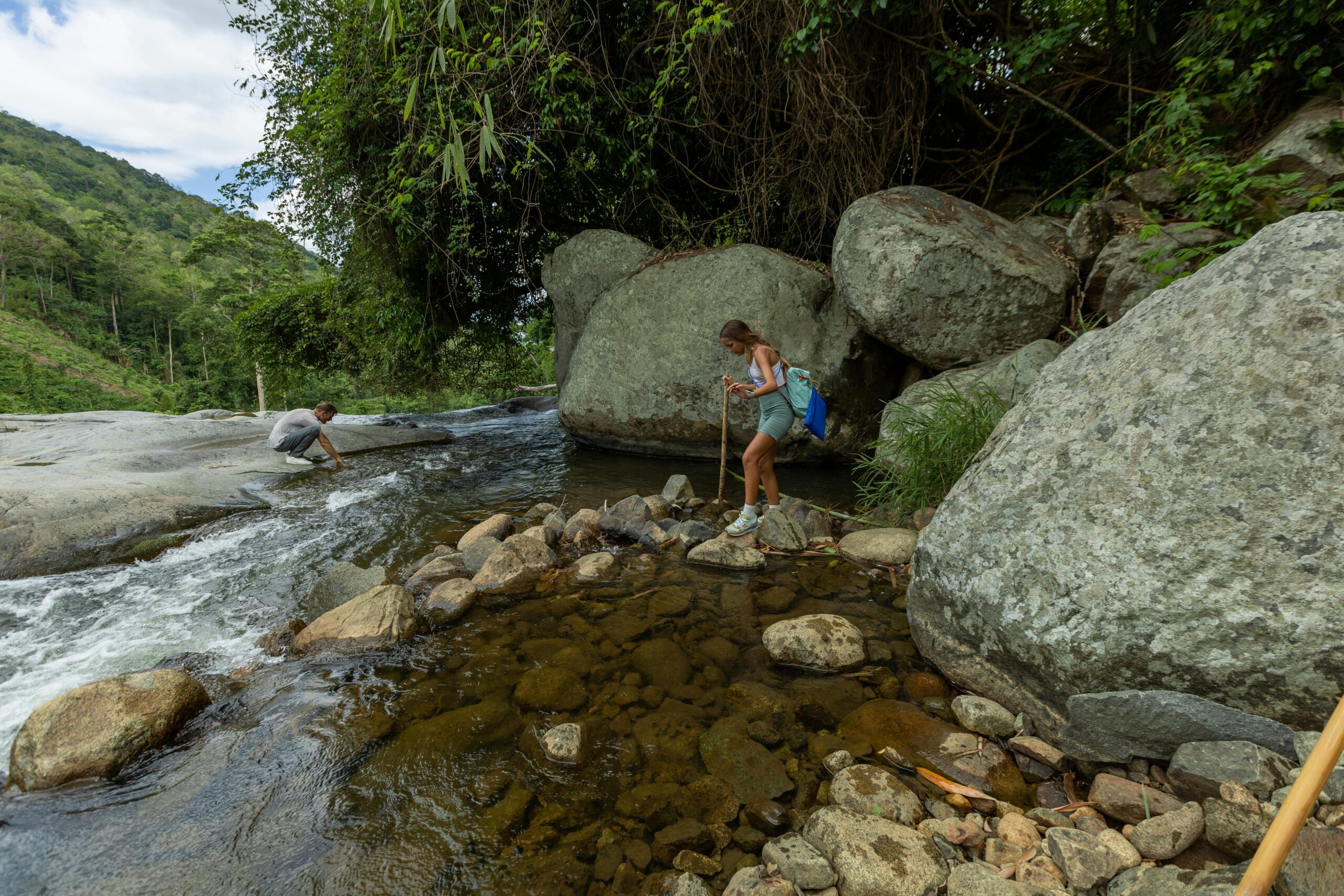
Moisture dramatically accelerates blister formation. Wet skin becomes softer and more vulnerable to friction damage. This is why blisters often develop during long hikes when feet sweat, after crossing streams, or in rainy conditions. The combination of moisture and friction creates perfect conditions for blisters to form quickly and severely. Even properly fitted shoes that cause no problems in dry conditions can create blistering when feet become wet.
Poorly fitted footwear is perhaps the single most common blister cause. Shoes that are too tight create constant pressure and friction. Shoes that are too loose allow feet to slide around inside with every step, creating friction as skin rubs against socks and shoe interior. Either fit problem causes excessive movement and rubbing that leads directly to blisters. This is why proper hiking shoe fit is so crucial—even expensive, high-quality boots will cause terrible blisters if they don’t fit your feet correctly.
New or insufficiently broken-in footwear creates blisters even when fit is technically correct. New hiking shoes have stiff materials that haven’t yet molded to your foot shape. These rigid spots create localized pressure points where friction concentrates. As shoes break in, materials soften and conform to your feet, eliminating these pressure points. This is why breaking in new hiking shoes gradually before attempting long hikes is essential.
Certain foot conditions make individuals more susceptible to blisters. Bunions, hammertoes, or other structural issues create pressure points where shoes rub more aggressively. High arches or flat feet can cause unusual pressure distribution. Excessive sweating creates the moisture that accelerates blister formation. Understanding your personal foot characteristics helps you take targeted preventive measures.
The specific locations where blisters commonly form—heels, balls of feet, toes, and sides of feet—relate directly to how hiking shoes interact with feet during walking. Heel blisters develop when the heel lifts slightly with each step, creating friction. Toe blisters occur when toes jam forward on downhills or curl in shoes that are too small. Ball-of-foot blisters result from pressure during push-off phase of walking. Recognizing where you tend to get blisters helps you address the specific causes.
Prevention Strategy One: Perfect Shoe Fit
Since poorly fitted shoes are the primary blister cause, ensuring proper fit is your first and most important prevention strategy.
Adequate toe space is absolutely essential. Your longest toe should have approximately a thumb’s width of space from the end of the shoe when standing normally. This seems like excessive room, but it’s necessary for two reasons: your feet swell during hiking, and your feet slide forward during downhill walking. Without this space, your toes jam into the front of shoes on every downhill step, causing blisters on toe tips and under toenails. Too much space is better than too little when it comes to length.
Width must be correct for your foot shape. Your foot should feel comfortably held without pinching anywhere. Shoes that are too narrow compress feet, creating friction on the sides of feet and toes. Too wide allows excessive foot movement inside the shoe. Many brands offer different width options, and some brands naturally run wider or narrower. If you have particularly wide or narrow feet, research which brands accommodate your foot shape before shopping.
The heel should fit snugly without slipping. When you walk, your heel should stay planted in the heel cup rather than lifting up with each step. Heel slippage is one of the most common causes of heel blisters. When trying on shoes, walk extensively including on inclines if possible, and pay particular attention to whether your heel stays put or lifts with each step. Proper lacing technique can help lock heels in place even in slightly loose shoes.
Test shoes at the end of the day when feet are slightly swollen, mimicking how they’ll feel after several hours of hiking. Shoes that feel perfect in the morning might become uncomfortably tight after kilometers of walking as feet swell from exercise and heat. Additionally, always try hiking shoes with the actual socks you’ll wear while hiking—thick hiking socks take up significant space and affect fit.
Remember that sizing varies between brands and even between different models from the same brand. Don’t assume you’re the same size in all hiking shoes. Try each pair individually and base your decision on how they actually feel rather than what size label says. A perfect-fitting size 41 serves you far better than a size 40 that’s technically “your size” but actually too small.
Prevention Strategy Two: Choosing the Right Hiking Socks
Socks are nearly as important as shoes for blister prevention. The wrong socks can cause blisters even in perfectly fitted footwear, while proper socks significantly reduce blister risk.
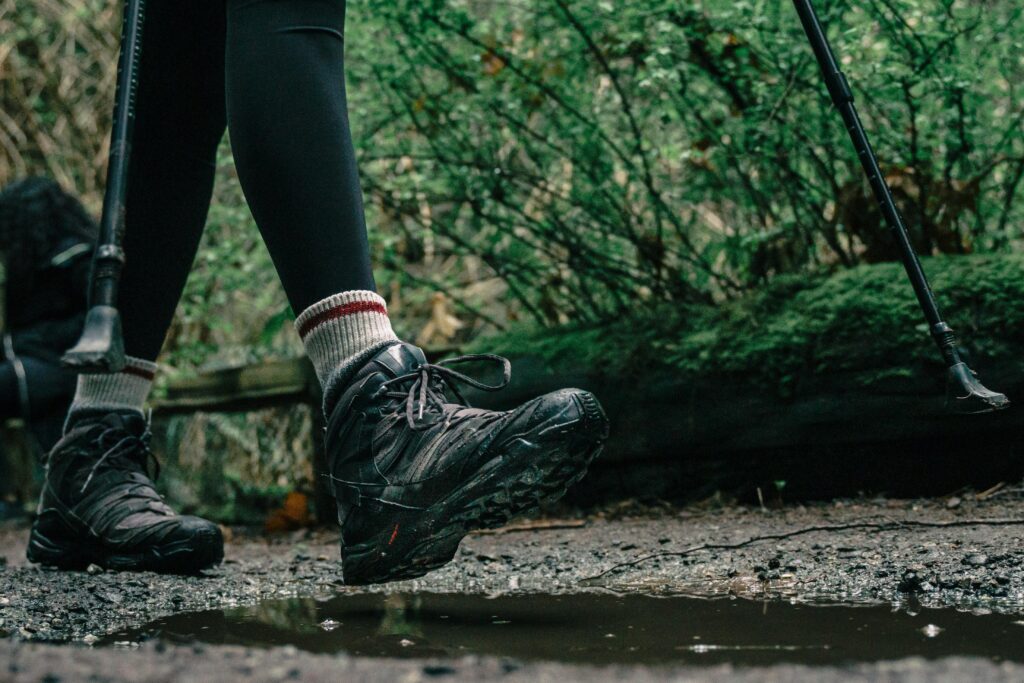
Material matters enormously. Never hike in cotton socks. Cotton absorbs moisture and stays wet, creating the damp conditions that accelerate blister formation. Once cotton socks become saturated with sweat, they remain wet against your skin for hours, dramatically increasing friction. This is why the outdoor world consistently advises against cotton for any athletic activity.
Instead, choose hiking socks made from merino wool or synthetic moisture-wicking materials. Merino wool is naturally antimicrobial, comfortable across wide temperature ranges, and continues insulating even when damp. It wicks moisture away from skin while remaining comfortable against feet. Synthetic hiking socks made from polyester, nylon, and similar materials wick moisture even more effectively than wool and dry faster, though they can develop odor more quickly and may feel less comfortable.
Many high-quality hiking socks blend merino wool with synthetic materials to combine wool’s comfort and antimicrobial properties with synthetics’ durability and moisture management. These blends often provide the best overall performance for hiking.
Thickness and cushioning affect both comfort and blister prevention. Thicker socks provide more cushioning, which can prevent blisters by reducing impact and friction. However, very thick socks take up significant space inside shoes—if your shoes fit perfectly with thin socks, thick hiking socks might make them too tight. Ensure your hiking shoes accommodate the thickness of socks you plan to wear. Some hikers prefer thinner socks in summer for breathability and thicker socks in colder conditions for warmth and cushioning.
Seamless or flat-seam construction prevents irritation. Traditional socks have seams that can create pressure points and friction, particularly around toes. Quality hiking socks feature either seamless construction or flat seams that lie smooth against skin without creating raised ridges. Check seams carefully when buying socks—prominent seams indicate lower-quality construction that may cause blisters.
Sock fit is just as important as shoe fit. Socks should fit smoothly without bunching, wrinkling, or sliding down inside shoes. Bunched fabric creates friction points. Socks that slide down expose skin directly to shoe interior. Most quality hiking socks include elastic arch support and ankle grips that help them stay in place during hiking. Try on socks with your hiking shoes to ensure the combination works well together.
Some hikers use liner socks—thin inner socks worn underneath regular hiking socks—as additional blister prevention. The theory is that friction occurs between the two sock layers rather than between sock and skin, protecting feet from damage. Liner socks work well for some people, particularly those prone to blistering despite other preventive measures. They do add warmth and take up additional space in shoes, so they work best in properly fitted footwear with room to accommodate the extra layer.
Prevention Strategy Three: Proper Foot Preparation
Beyond shoes and socks, preparing your feet themselves significantly reduces blister susceptibility.
Toughening skin through gradual exposure builds natural resistance to friction. People who rarely walk barefoot tend to have softer, more blister-prone feet than those who regularly go barefoot on varied surfaces. You don’t need to abandon shoes entirely, but spending some time barefoot on different surfaces—grass, sand, gravel paths—progressively toughens the skin on your feet. This builds calluses in areas prone to friction, creating natural protection.
Similarly, gradually increasing hiking distance and frequency allows skin to adapt to hiking demands. If you jump from sedentary lifestyle directly to ambitious long hikes, your feet haven’t had opportunity to develop the slight thickening and toughness that regular hiking creates. Start with shorter, easier hikes and progressively increase duration and difficulty. This gives your feet time to adapt without the sudden trauma that causes blistering.
Keeping toenails properly trimmed prevents them from pressing against shoe interiors and causing blisters under or around nails. Trim nails straight across rather than curved to prevent ingrown toenails. Keep them short enough that they don’t extend beyond toe tips but not so short that you cut into the nail bed. Long toenails create pressure points when toes press forward during downhill hiking, leading directly to blisters and black toenails.
Moisturizing feet appropriately helps maintain skin health without making feet overly soft. Very dry skin cracks and becomes damaged more easily, while excessively soft skin is more vulnerable to blisters. Find balance—moisturize to prevent excessive dryness, but avoid immediately before hiking when you want drier feet for reduced friction.
Addressing existing calluses properly prevents them from becoming blister problems. Thick, hardened calluses can create pressure points or catch on socks, causing friction. Use a pumice stone after bathing to gently reduce excessive calluses, keeping them from building up too thick. However, don’t remove calluses entirely—they provide beneficial protection. The goal is maintaining smooth, moderately thickened skin rather than either very thick calluses or completely soft skin.
Prevention Strategy Four: Anti-Friction Products
Various products reduce friction and prevent blisters, providing additional protection especially on longer hikes or for particularly blister-prone feet.
Lubricants reduce friction by creating slippery layer between skin and sock. Products like BodyGlide, Vaseline, or specialized blister prevention balms are applied to blister-prone areas before hiking. The lubricant reduces skin-to-fabric friction, preventing the rubbing that causes blisters. This works especially well for long-distance hikes where friction accumulates over many hours. Apply generously to areas where you typically get blisters—heels, balls of feet, between toes, or anywhere that tends to rub.
The main disadvantage of lubricants is that they can feel messy and may need reapplication on very long hikes as sweat gradually washes them away. Some people find certain lubricants stain socks or feel uncomfortable. Experiment with different products to find what works for your feet.
Powder products like foot powder or anti-chafe powder serve the opposite purpose—they absorb moisture and keep feet drier, reducing the wet conditions that accelerate blistering. Apply powder inside socks before hiking or directly to feet. Powder works particularly well for people whose feet sweat excessively. However, powder clumps when it becomes saturated with moisture, potentially creating texture that causes friction. Some hikers carry small containers of powder to reapply during longer hikes.
Specialized blister prevention tapes and patches adhere directly to skin in blister-prone areas, providing smooth, friction-resistant surface. Products like Leukotape, moleskin, or specialized blister prevention patches create barrier between skin and sock. These work exceptionally well when applied to specific areas where you consistently get blisters. The tape stays in place even when feet become wet and sweaty, providing reliable protection throughout your hike.
Applying tape properly requires cutting it to appropriate size for the area you’re protecting, rounding the corners so edges don’t catch on socks and peel up, and ensuring skin is clean and dry before application for best adhesion. Many experienced hikers preemptively tape known problem areas before every long hike as insurance against blisters.
Recognizing and Treating Hot Spots Immediately
Even with excellent prevention strategies, hot spots occasionally develop—these are the precursors to blisters that must be addressed immediately before they progress to full blisters.
A hot spot feels like localized warmth, burning, or tenderness in a specific area of your foot. This sensation means friction is damaging skin, but a fluid-filled blister hasn’t yet formed. Hot spots are your early warning system—if you stop and address them immediately, you can prevent blister formation entirely. If you ignore hot spots and continue hiking, they will progress to painful blisters within thirty minutes to an hour.
The moment you feel a hot spot developing, stop hiking immediately. Don’t tell yourself you’ll deal with it at the next break or when you reach your destination. Every additional step with a hot spot increases skin damage and makes full blister formation more likely. Find a place to sit down, remove your shoe and sock, and assess your foot.
Examine the area where you felt the hot spot. You’ll likely see redness or slight swelling but no fluid-filled bubble yet. This is the perfect intervention point. Allow the area to cool and dry for a few minutes. If your foot is sweaty, dry it thoroughly with a cloth or bandana. Moisture accelerates blister formation, so eliminating dampness is crucial.
Apply blister prevention products to the hot spot area. If you have tape or moleskin, apply it over the hot spot to protect the area from further friction. If you don’t have tape, apply lubricant generously. Some hikers carry both tape and lubricant specifically for treating hot spots that develop despite prevention efforts.
Reassess your footwear and socks. Is something causing unusual rubbing? Has your sock bunched up? Is your shoe laced too tightly or too loosely? Address whatever seems to be causing the friction—adjust lacing, smooth out sock wrinkles, or add extra cushioning if needed. Sometimes simply retying shoes more carefully eliminates the friction causing hot spots.
Only resume hiking once you’ve addressed the hot spot and feel confident the friction issue is resolved. Walk a few steps and verify that the burning sensation is gone. If the hot spot still feels uncomfortable, take additional measures—add more tape, adjust footwear further, or consider turning back if the problem seems unresolvable on trail.
This immediate intervention prevents the majority of blisters if done consistently. The discipline to stop and deal with hot spots rather than pushing through discomfort is what separates hikers who rarely get blisters from those who suffer constantly.
Treating Blisters That Have Already Formed
Despite best prevention efforts, blisters sometimes form. Proper treatment minimizes pain, prevents infection, and allows you to continue hiking or resume quickly.
The controversial question is whether to pop blisters or leave them intact. Medical advice generally recommends leaving small blisters intact when possible, as the fluid-filled bubble protects underlying damaged skin from infection and further injury while healing occurs. However, on hiking trips where you need to continue walking, large or particularly painful blisters often must be drained for comfort and functionality.
If you decide to drain a blister, do so carefully to minimize infection risk. Clean the area thoroughly with soap and water or antiseptic wipes. Sterilize a needle or safety pin with rubbing alcohol, hand sanitizer, or by heating it with a flame then allowing it to cool. Gently puncture the blister at its edge—not the center—and press carefully to drain fluid. Leave the skin covering intact as it provides natural protection for the damaged tissue underneath.
After draining, clean the area again and apply antibiotic ointment if available. Cover with a specialized blister bandage or, if you don’t have blister-specific bandages, with regular adhesive bandage that you secure firmly so it won’t shift during walking. The goal is protecting the damaged skin from further friction while it heals.
Specialized blister bandages like Compeed or similar hydrocolloid bandages work exceptionally well for treating formed blisters. These cushioned, gel-like bandages adhere firmly even to sweaty feet, provide significant padding that reduces pain during walking, and create moist healing environment that speeds recovery. They’re worth carrying in your hiking first aid kit specifically for blister treatment.
If a blister has already torn open—”deroofed” in medical terminology—treat it like an open wound. Clean thoroughly, apply antibiotic ointment, and cover with sterile bandaging. Monitor carefully for signs of infection like increased redness, warmth, swelling, or pus formation. Infected blisters require medical attention.
After returning from your hike, continue proper blister care. Keep the area clean, change bandages daily, and monitor healing progress. Allow the damaged skin to fully heal before hiking again, which typically takes three to seven days depending on blister severity. Hiking on partially healed blisters will re-damage the area and extend your recovery time significantly.
Managing Blisters During Multi-Day Hikes
When hiking for multiple consecutive days, blister management becomes even more critical since you can’t simply take time off to let blisters heal.
Prevention becomes paramount on multi-day hikes because once you get a blister on day one, you must hike on it for the remaining days, which is both painful and risks making the injury worse. Take every preventive measure seriously—proper footwear, quality socks, foot care, anti-friction products, and vigilant attention to hot spots. The discipline you might skip on a day hike because you can tolerate discomfort for a few hours becomes essential when you’re hiking for multiple days.
If blisters do form during multi-day trips, treatment focuses on protecting the damaged area while allowing you to continue hiking. Drain large blisters as described above, but take extra care with hygiene since you won’t have easy access to medical care if infection develops. Apply blister bandages generously and change them each morning before starting your day’s hiking. Some multi-day hikers carry additional tape or moleskin to layer over blister bandages for extra protection and security.
Adjust your hiking pace and ambitions based on blister development. If you’re developing multiple blisters or existing blisters are becoming increasingly painful, reduce your daily distance. Take more frequent breaks to check and adjust foot care. Prioritize foot health over completing your planned itinerary—no trail is worth serious injury or infection.
Change and dry socks whenever possible during multi-day hikes. If you cross streams and wet your feet, change into dry socks as soon as practical rather than hiking in wet socks all day. Consider bringing an extra pair of hiking socks specifically for this purpose. Even if you can’t change socks, taking breaks to remove shoes and socks to air and dry your feet significantly reduces moisture-related blister risk.
Common Blister Prevention Mistakes For Hiking
Understanding what doesn’t work helps you avoid wasting time and money on ineffective blister prevention strategies.
Wearing brand new shoes on long hikes is perhaps the most common preventable mistake. Even perfectly fitted shoes need breaking in to soften materials and conform to foot shape. Always break in new hiking shoes on shorter walks and easy hikes before attempting ambitious trails. The exact break-in period needed varies—modern synthetic hiking shoes may need only two or three short hikes, while traditional leather boots require weeks of gradual use.
Assuming all socks are equivalent leads many beginners to hike in inappropriate cotton socks that guarantee blisters. Your footwear investment is wasted if you pair quality hiking shoes with terrible socks. Spend money on proper hiking socks—they’re significantly more important than many people realize.
Ignoring hot spots is incredibly common and completely counterproductive. Many hikers feel a hot spot developing but convince themselves they can push through to their destination. This almost always results in painful blisters that could have been entirely prevented with a two-minute stop to address the hot spot immediately. Develop the discipline to stop and deal with foot problems the moment you notice them.
Hiking in wet shoes and socks without addressing the moisture accelerates blister formation dramatically. If you get your feet wet during a hike—crossing a stream, walking through heavy rain, or stepping in a deep puddle—take action to address the moisture rather than simply continuing with wet feet. Change socks if possible, take a break to air and dry your feet, or at minimum apply extra anti-friction products to reduce the damage wet conditions cause.
Over-tightening or under-tightening shoelaces creates friction problems that lead to blisters. Laces should be snug enough to prevent excessive foot movement but not so tight that they create pressure points or restrict circulation. Learn proper lacing techniques, including heel-lock lacing to prevent heel slippage. Adjust lacing periodically during long hikes as feet swell and lacing that was perfect initially becomes too tight.
Building Blister-Resistant Feet Over Time For Your Hiking
With experience and proper foot care, you can significantly reduce your susceptibility to blisters even in challenging conditions.
Gradual exposure to increased hiking demands allows your feet to adapt and toughen naturally. Hikers who regularly tackle long distances on varied terrain develop tougher skin and better conditioned feet than occasional hikers. This isn’t about suffering through painful conditioning—it’s about progressive, consistent hiking that allows natural adaptation to occur.
Learning your personal blister patterns helps you take targeted preventive action. After several hikes, you’ll notice whether you consistently get blisters in particular locations—heels, specific toes, balls of feet. This tells you where to focus prevention efforts. Apply tape to these areas preemptively before long hikes, use extra lubricant on known problem spots, or investigate whether shoe fit or sock choice is creating localized friction in these areas.
Developing good hiking habits around foot care becomes automatic with practice. Experienced hikers naturally stop to address minor discomfort immediately rather than ignoring it. They automatically check and adjust their socks and shoes during breaks. They pay attention to their feet throughout hikes, noticing subtle changes that indicate potential problems developing. These habits become second nature and prevent the majority of blister issues before they become serious.
Investing in quality footwear and socks pays long-term dividends. While you don’t need the most expensive options, choosing properly fitted, well-constructed hiking shoes and quality moisture-wicking socks makes consistent blister prevention far easier. Quality gear performs reliably across many hikes and varied conditions, reducing the variables you need to manage for blister-free hiking.
Your Path to Blister-Free Hiking
Blisters are not an inevitable hiking suffering you must endure. They’re preventable injuries caused by specific, controllable factors. Proper footwear fit, quality moisture-wicking socks, adequate foot preparation, strategic use of anti-friction products, and vigilant attention to hot spots prevent the vast majority of blisters. When blisters do form despite prevention efforts, immediate proper treatment minimizes pain and allows healing without extended time off trails.
The difference between hikers who constantly battle blisters and those who rarely experience them isn’t luck or particularly tough feet—it’s knowledge and consistent application of effective prevention strategies. Start implementing the recommendations in this guide on your next hike. Pay attention to your feet, address problems immediately, and learn what works specifically for your feet and hiking style.
Blister-free hiking transforms outdoor experiences from painful ordeals into purely enjoyable adventures. Those last kilometers of a long hike should be triumphant, not agonizing. Summit views should be celebrated without wincing with every step. Your focus should be on beautiful landscapes and personal achievement, not managing foot pain. That blister-free experience is entirely achievable—you just need the knowledge and discipline to make it happen.
What are your best blister prevention tips? Have you found products or techniques that work particularly well? Share your experiences in the comments—your hard-won knowledge might save someone else from painful trail experiences!
Leave a Reply