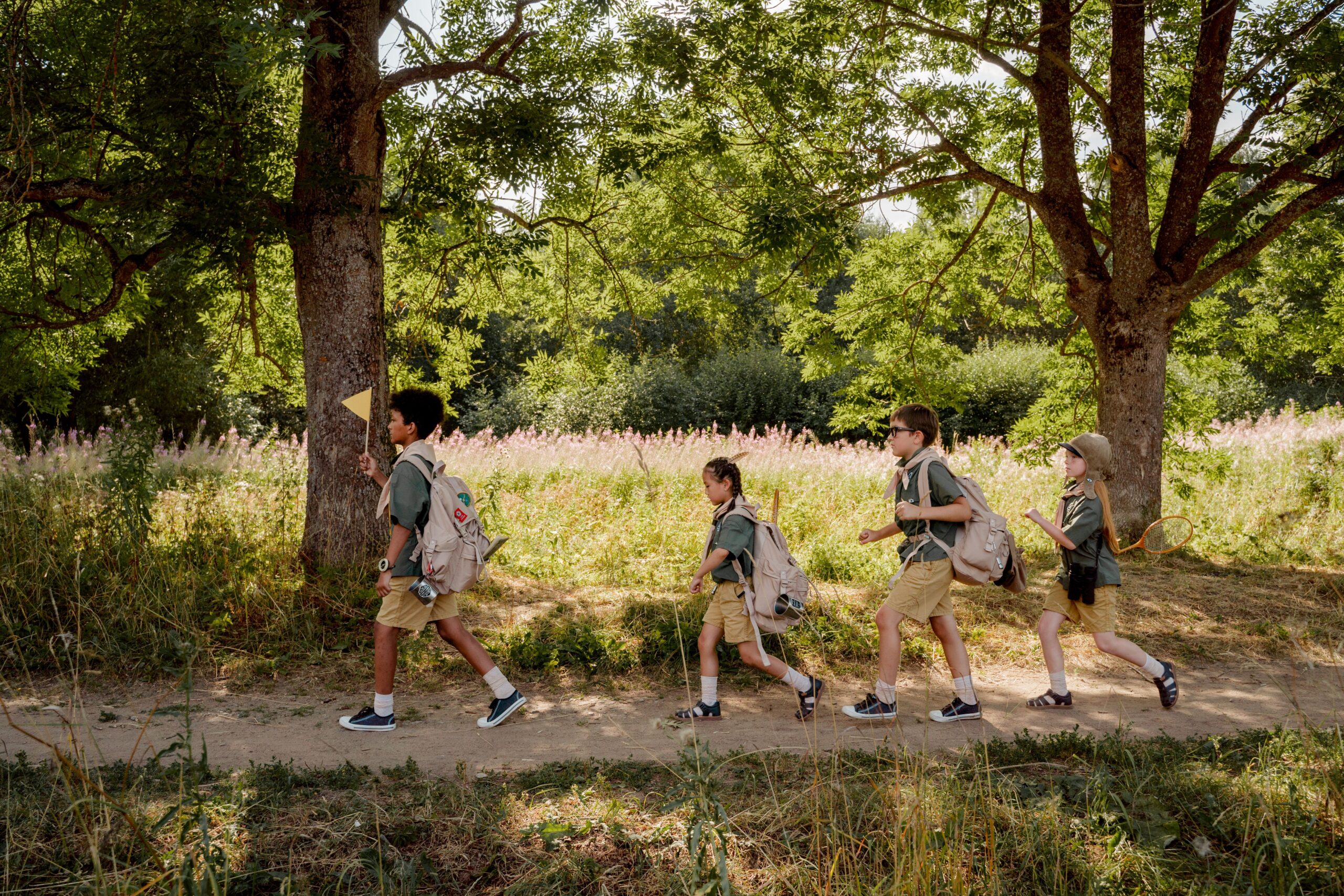
Taking my six-year-old niece on her first real hike, I made every possible mistake. I chose a challenging trail meant for adults, I packed heavy gear I assumed we’d need, I brought snacks nobody wanted to eat. By kilometer two, she was exhausted and miserable. I carried her the rest of the way feeling frustrated with both of us. That experience taught me that hiking with kids isn’t about conquering mountains—it’s about creating positive memories and building enthusiasm for outdoor adventure.
Now, years later, my niece and cousins are enthusiastic hikers who ask when we’re going on our next trail adventure. The transformation happened when I stopped thinking like an adult hiker and started thinking like a child. Understanding what motivates kids, choosing appropriate routes, managing expectations, and building genuine fun into outdoor time creates experiences they’ll remember fondly forever.
Choosing Kid-Appropriate Trails For Hiking
Trail selection makes the difference between successful family adventures and exhausting failures.
Start with very short distances. Children have different physical capabilities than adults. A two-kilometer walk feels manageable for many kids ages four to six. Ages seven to ten can typically handle three to five kilometers. Ages eleven and up approach adult capabilities, though individual variation is enormous.
Flat terrain works best initially. Elevation gain exponentially increases difficulty for young hikers. Save hill and mountain hiking for when your children have developed more hiking fitness and experience.
Interesting terrain and features keep kids engaged. A boring two-kilometer flat path feels longer and more exhausting than two kilometers with varied scenery, stream crossings, or wildlife observation opportunities. Find trails that combine manageable distance with visual interest.
Choose well-maintained, clearly marked trails where you won’t get lost. Uncertainty about route creates stress for both kids and parents. Obvious trails let you focus on enjoyment rather than navigation.
Check trail conditions before committing. Muddy, technical trails frustrate young hikers. Dry, smooth paths suit beginners far better.
Building Enthusiasm Before You Start Hiking
Mental preparation determines whether kids view hiking as exciting adventure or unwanted obligation.
Let them choose the destination. Involvement in planning creates investment in the experience. Show photos of the trail. Talk about interesting things you might see—animals, streams, viewpoints, geological formations.
Frame the hike positively. Rather than “we’re going for a long walk,” try “we’re going on an adventure to find the waterfall” or “let’s be nature detectives looking for animal tracks.” Stories and games create excitement.
Start with short, positive experiences rather than ambitious hikes. The first few family hikes should end with everyone wanting more, not exhausted and frustrated.
Pacing: The Most Common Mistake While Hiking
Adults naturally walk too fast for children’s comfort.
Allow triple the time you’d normally need. Children explore constantly. They examine insects, they pick flowers, they collect interesting rocks. This isn’t procrastination—it’s discovery. When you allow time for exploration, the experience becomes richer and the pace less frustrating.
Let them set the speed. Your child’s natural walking pace is probably slower than yours. Forcing a faster pace creates resentment and fatigue. When they’re setting tempo, they control their exertion and feel more autonomous.
Take frequent breaks. Children’s energy and interest fluctuate. A short break for snacks, exploration of a stream, or simply sitting down refreshes both their energy and enthusiasm.
Motivation Strategies That Actually Work for Hiking
Food and games sustain interest far more effectively than parental coaxing.
Pack appealing snacks they’ll actually want to eat. Boring trail mix doesn’t motivate kids. Include chocolate, fruit, cheese, crackers, or whatever genuinely excites your specific children. Strategic snack breaks every 30-45 minutes give them something to anticipate.
Create games along the trail. Hunt for specific animals or plants. Count different bird species. See who can spot interesting rocks or colors. Make up stories about what animals might live in the forest. These games transform walking into engaging adventure rather than exercise.
Offer small rewards for reaching goals. This could be a special snack at the summit, permission to play at a stream, or extra story time when you return home. Nothing damages enthusiasm like unrewarded effort.
Essential Gear for Family Hiking
Proper equipment makes hiking with kids feasible and safe.
A good child backpack lets kids carry their own supplies. Osprey and similar brands offer kid-sized packs that distribute weight properly. Let children carry lightweight items—water bottles, snacks, their own jacket. This builds responsibility and shares the load.
Comfortable, broken-in hiking shoes or sturdy sneakers matter enormously. New footwear causes blisters that ruin experiences. Use shoes they’ve worn multiple times before attempting longer hikes.
Sun protection including hats and sunscreen is essential. Kids’ skin is more vulnerable to sun damage than adults. Protect heads with wide-brimmed hats.
A small backpack for you contains first aid supplies, extra water, and snacks if their packs aren’t enough. You’re responsible for having what they need if they forget or run out.
A lightweight, collapsible stroller works for younger kids on easier trails. This gives options if someone becomes genuinely exhausted without requiring you to carry them.
Safety Considerations
Hiking with children introduces specific safety concerns.
Establish clear expectations about staying on trail and staying together. Young children need to know these aren’t negotiable rules. Practice staying close on easier hikes before attempting longer adventures.
Carry proper first aid supplies including blister treatment, bandages, pain relief, and anything your child might need for medical conditions. Kids are prone to minor injuries on trails.
Ensure you have accurate trail information including length, difficulty, water access, and estimated completion time. Unknown conditions create safety risks.
Bring abundant water. Kids dehydrate quickly and might not recognize thirst signals. Offer water frequently whether they ask or not.
Consider starting with group hikes through local hiking clubs or organized family hike groups. Other families help share responsibility and provide backup support if needed.
Managing Physical Challenges
Some kids face genuine physical obstacles that require accommodations.
If your child is overweight or has low fitness initially, start with very short, flat hikes. Build gradually without pressure. Positive early experiences matter more than speed of progression.
Children with ADHD often thrive with hiking’s varied sensory input, but they need clear structure and frequent breaks. Plan hikes with multiple distinct sections or stops rather than long continuous walks.
Kids with anxiety might worry about getting lost or encountering animals. Reassurance, planning together, and starting with familiar, well-traveled trails help build confidence.
Asthma and other respiratory conditions require managing exertion level and carrying necessary medications. Flat trails and slower paces accommodate most conditions.
Turn-Around Points and Realistic Goals
Knowing when to stop prevents pushing too hard.
Establish a specific turnaround time before starting. If you haven’t reached your destination by this time, turn back regardless. This prevents the situation where kids are too exhausted for the return journey.
Be flexible about destinations. If your child is struggling, shorter turnaround points preserve the positive experience. Summits will be there for future hikes.
Frame turnaround as success, not failure. “We made it to the stream and had an amazing adventure” feels better than “we didn’t reach the top.”
Post-Hike Engagement
What happens after the hike influences whether kids want to hike again.
Celebrate what they accomplished. Tell stories about the adventure. Look at photos together. Let them describe their experience to family members.
Start planning the next hike while they’re still enthusiastic. “That was great! Where should we explore next time?” keeps momentum going.
Create physical reminders of experiences—photo albums, collections of interesting rocks or leaves, drawings of what you saw. These reinforce positive memories.
Age-Specific Considerations
Different ages have distinct needs and capabilities.
Ages 3-5: Very short hikes (under 2 km), lots of breaks, frequent exploration time, parent-led games, frequent snacks. These kids hike more than walk; adventure supersedes distance.
Ages 6-8: Slightly longer hikes (2-5 km), clear goals and incentives, games and discovery time, manageable elevation, parent involvement in motivation.
Ages 9-12: Approaching adult abilities but still require adjustments. They can handle longer hikes (5-10 km) and modest elevation but appreciate interesting destinations. At this age, building skills and independence becomes important alongside simple enjoyment.
Ages 13+: Often approach adult hiking capabilities and interests. At this age, include them in planning and decision-making. Challenge becomes appropriate if balanced with safety.
Building Lifelong Hikers
Your goal isn’t creating Olympic athletes—it’s creating people who love the outdoors.
Share your own enthusiasm for hiking. Kids pick up on genuine excitement. If you love trails, they’ll likely develop similar passion.
Allow them to develop their own hiking interests rather than forcing yours. Some kids become passionate about photography on trails. Others love wildlife watching or geology. Different entry points create different types of hikers.
Include hiking naturally in family life. Regular weekend adventures normalize it as something your family does, not something special or difficult.
The Real Reward
Hiking together creates memories and connections that benefit kids throughout life. They discover their bodies’ capabilities, they experience nature without screens, they learn resilience through manageable challenges. And they develop genuine appreciation for wild places.
The views and summits matter far less than the time together, the adventures you share, and the foundation you build for outdoor-loving adulthood.
What’s your best experience hiking with kids? What strategies help your family enjoy trails together? Share in the comments!