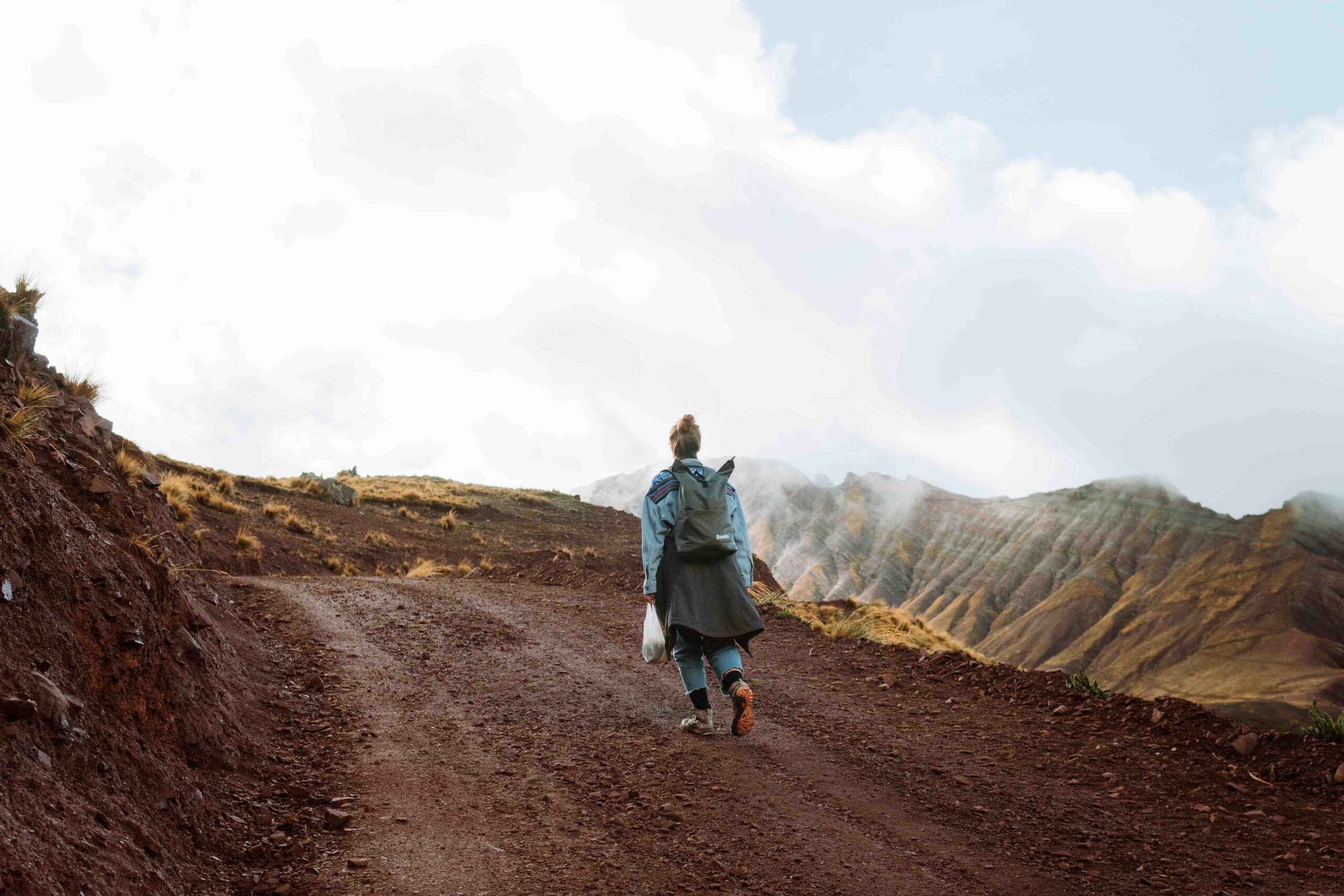
The first time I was hiking alone, fear almost stopped me. What if I got lost? Or what if someone dangerous appeared? What if I injured myself with nobody to help? These worries had kept me from exploring trails and hiking independently for years. But eventually, the desire for solitude and personal challenge outweighed the fear. I started with an easy, well-populated trail near home. That short hike changed everything.
Now, years later, solo hiking is my favorite way to experience trails. Without others’ pace constraints, I move at my rhythm. With no conversation demands, I connect deeply with my surroundings. Without group dynamics, I challenge myself mentally and physically in ways group hiking doesn’t demand. The confidence I’ve built through solo hiking extends far beyond trails into every aspect of my life.
If you’re interested in solo hiking but hesitancy has held you back, you’re not alone. Many women face both external safety concerns and internal confidence questions about independent trail adventures. The reality is that solo female hiking is entirely achievable, deeply rewarding, and increasingly common. This guide addresses the legitimate concerns, provides practical strategies, and builds the foundation for confident solo trail experiences.
Separating Real Risks From Exaggerated Fears While Hiking
Understanding actual statistical risks helps ground decision-making in reality.
Solo hikers are remarkably safe on established trails. Search and rescue statistics show that most lost hikers are found safely. Serious injuries or crimes specifically targeting hikers are genuinely rare.
Women specifically face different risk profiles than men. Stranger violence against women hikers is statistically uncommon but worth considering. Reasonable precautions address this without requiring you to avoid trails entirely.
Overestimating danger creates unnecessary limitation. Many women avoid solo hiking based on fear that doesn’t match actual likelihood. The confidence cost of avoiding activities you want to do typically outweighs the tiny risk reduction gained.
Starting with lower-risk scenarios—well-traveled trails, daytime hikes, established routes—allows you to build real experience and assess your comfort rather than relying solely on hypothetical worries.
Building Your Foundation: Knowledge Over Fear
Competence creates genuine confidence more effectively than reassurance.
Learn basic navigation skills. Knowing you can navigate using map and compass or phone app reduces the anxiety of potentially getting disoriented. Take basic navigation classes if available locally. Practice these skills on easy hikes before relying on them in challenging situations.
Understand basic first aid. Knowing how to treat common hiking injuries—blisters, sprains, minor cuts—builds confidence in handling problems independently. You don’t need extensive medical training, just practical knowledge for realistic scenarios.
Research your specific trails thoroughly. Know difficulty level, distance, expected duration, water sources, and terrain characteristics. This knowledge eliminates uncertainty that fuels anxiety.
Start with trails you’ve already hiked with others. Familiarity with the route removes navigation uncertainty. You can focus on enjoying the experience of solo hiking rather than also managing navigation stress.
The Progressive Approach to Solo Hiking Confidence
Confidence builds through successful experiences, not sudden leaps.
Begin with very short, easy hikes on well-traveled paths. A one-hour loop near home provides minimal risk while building solo hiking experience. Notice how it feels. Identify what you enjoy about solo hiking.
Progress to slightly longer hikes on established routes in populated areas. Two-hour hikes on weekend days mean you’ll encounter other hikers, providing a safety sense without compromising solitude.
Expand to longer hikes on popular trails. Now you’re testing your physical endurance and equipment adequacy alongside solo experience.
Once you’re comfortable with day hikes, consider overnight camping or multi-day backpacking if that interests you. Many skills transfer and you’ve already built foundational solo hiking confidence.
This progression ensures each new experience feels like a manageable step up from what you’ve already successfully done.
Communication Strategy: The Safety Net
Telling someone your plans creates powerful backup without compromising your independence.
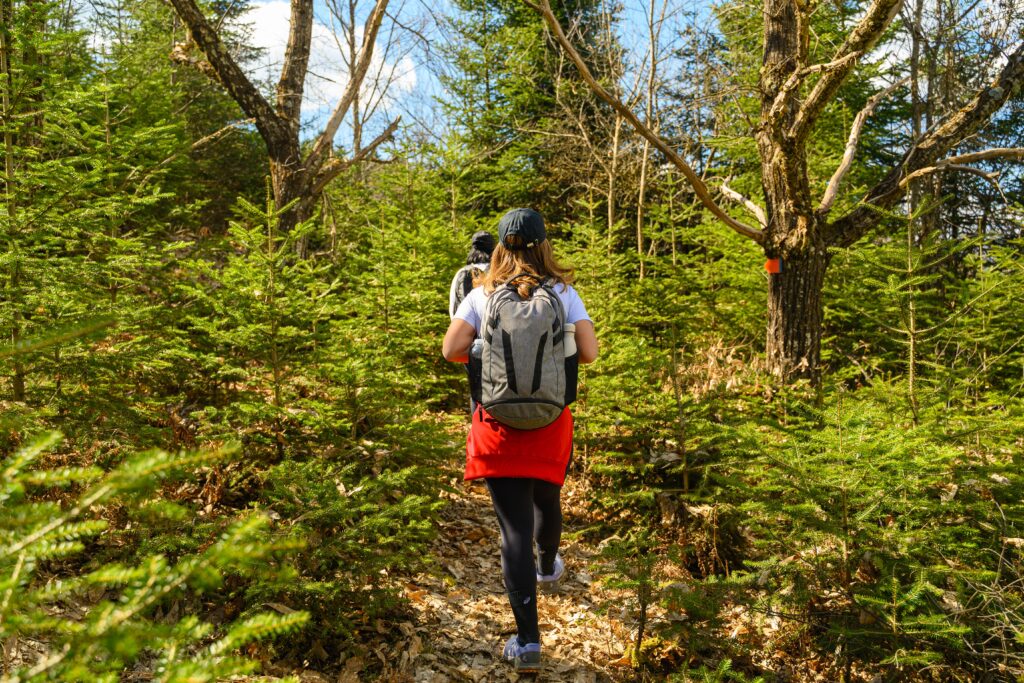
Establish this as your hiking practice: you always tell someone where you’re going, which trail you’re hiking, when you expect to return, and what to do if you don’t check in.
Choose your contact wisely. Anyone works—friend, family member, even a coworker who understands the arrangement. Your contact’s job is simple: if you don’t message or call by your specified return time, they alert authorities and provide them with your hiking information.
This arrangement is the single most important safety measure. It doesn’t prevent problems but ensures rescue teams know where to search if something does happen.
Agreed-upon check-in times can be flexible. Perhaps you text when you return home, perhaps you call at a specific time, perhaps your contact knows they should check on you if they haven’t heard from you within a certain window. Define what works for both of you.
Gear and Equipment Choices
Certain equipment decisions matter more for solo hiking than group situations.
Reliable communication tools become important. Ensure your phone is charged, carries emergency contacts, and has offline maps. For remote areas, consider satellite communication devices like Garmin inReach that work where phones don’t.
Headlamps or flashlights allow flexibility in your return timing. You won’t worry as much about daylight if you have reliable lighting for evening descents.
Personal safety devices are optional but some find them confidence-boosting. Whistles for signaling, personal alarms for unusual situations, or self-defense tools if you’re comfortable with them. These matter less than solid judgment and communication strategies but can provide psychological comfort.
Appropriate footwear with good traction prevents injuries. Solo hikers can’t rely on companions for assistance if they injure themselves. Proper boots reduce injury likelihood.
Navigation tools including map, compass, and phone with offline maps ensure you won’t be without navigation options if your primary method fails.
Mental Strategies for Solo Hiking Confidence
Psychological approaches matter alongside practical preparations.
Challenge catastrophic thinking. Your brain may generate worst-case scenarios to protect you. Acknowledge these thoughts without accepting them as likely realities. “This thought is trying to protect me, but statistically this scenario is extremely unlikely” provides realistic perspective.
Practice grounding techniques that return focus to your actual experience rather than hypothetical dangers. Notice your surroundings. Focus on physical sensations. Engage with nature actively.
Build identity as a solo hiker gradually. After each solo hike, acknowledge: “I’m someone who hikes alone safely.” This shifts how you see yourself. Gradually, “solo hiker” becomes part of your identity.
Celebrate small achievements. Completing your first solo hike deserves recognition. Each successful adventure builds evidence contradicting fear-based thinking.
Route Selection for Solo Female Hikers
Some route choices address both real and perceived safety concerns.
Choose popular, well-traveled trails with regular foot traffic. Extremely remote wilderness hiking carries real risks that outweigh solo advantage benefits for new solo hikers. Established, popular routes offer solitude without isolation.
Daytime hiking is wise, particularly while building experience. Nighttime hiking introduces additional variables and genuinely increases certain risks. Establish daytime hiking confidence first.
Avoid trails known locally to have crime or harassment problems. Ask locals, check hiking app reviews, and read recent trip reports. Some trails genuinely have poor reputations and aren’t worth the risk.
Trails near parking areas and with easy access out feel safer than routes requiring substantial commitment to complete. Easy exit options provide psychological comfort.
Urban or park-based trails near cities provide the safest environments while still offering trail experience and beautiful natural areas.
The Reality of Being a Woman on Trails
Acknowledging that women’s experiences differ from men’s isn’t pessimism—it’s realism.
Unwanted attention from other hikers happens occasionally. Most is harmless—comments about your gear or asking where you’re hiking. Occasionally, it’s more uncomfortable. Trust your instincts about people. If someone makes you uneasy, trust that feeling.
You’re statistically unlikely to encounter genuine danger. Millions of women hike safely every year. The vast majority of hikers, male and female, are respectful and minded their own business.
Some women choose to subtly downplay being alone—wearing a ring or mentioning a partner who’s hiking elsewhere. This is a personal choice. Whether you choose this approach depends on your comfort level and specific situations.
Your presence on trails is entirely valid. You belong there. You have every right to explore nature independently.
Connecting With Other Solo Female Hikers
Community provides value beyond practical safety benefits.
Online hiking communities allow connecting with other solo female hikers. Sharing experiences, tips, and encouragement builds confidence. Female hiking groups on social media exist specifically for this purpose.
Local hiking clubs often have women-only outings or groups. These provide opportunities to hike with other women if you want that dynamic.
Some areas have organized women’s hiking groups specifically for solo hiking skill-building. These combine practical training with community building.
Handling Actual Problems
Having a plan for genuine issues provides concrete confidence.
If you get lost, follow the STOP protocol discussed in our earlier lost hiking guide. Staying calm and making rational decisions matters more than panicking.
If you experience an injury, assess severity honestly. Minor injuries might not prevent continuing if you’re willing to move slowly. Serious injuries require staying put and calling for help.
If another hiker makes you uncomfortable, move away from them. Change course. Sit down and let them pass. Speed up or slow down to create distance. Your safety instinct is valid—listen to it.
If you experience harassment, respond as you feel safe doing. You can ignore comments and continue hiking, you can firmly tell someone their behavior is unwelcome. You can return to your car and leave. All these responses are acceptable.
Your Solo Hiking Potential
Solo female hiking is entirely achievable, genuinely rewarding, and increasingly normal. Your fears deserve respect—they exist for valid reasons—but they shouldn’t prevent you from experiencing the profound rewards solo trails offer.
Start with manageable adventures. Build skills and confidence progressively. Tell someone your plans. Trust your instincts about people and situations. Challenge catastrophic thinking. Celebrate successful experiences.
Within several seasons of consistent solo hiking, you might surprise yourself by how comfortable and confident you’ve become. The person hesitant about hiking alone transforms into someone who genuinely loves independent trail adventures.
Your voice matters on trails, your presence matters, your adventures deserve space. Get out there and hike.
What’s been your experience with solo hiking? If you’re hesitant, what specifically holds you back? Share your thoughts or encouragement in the comments!