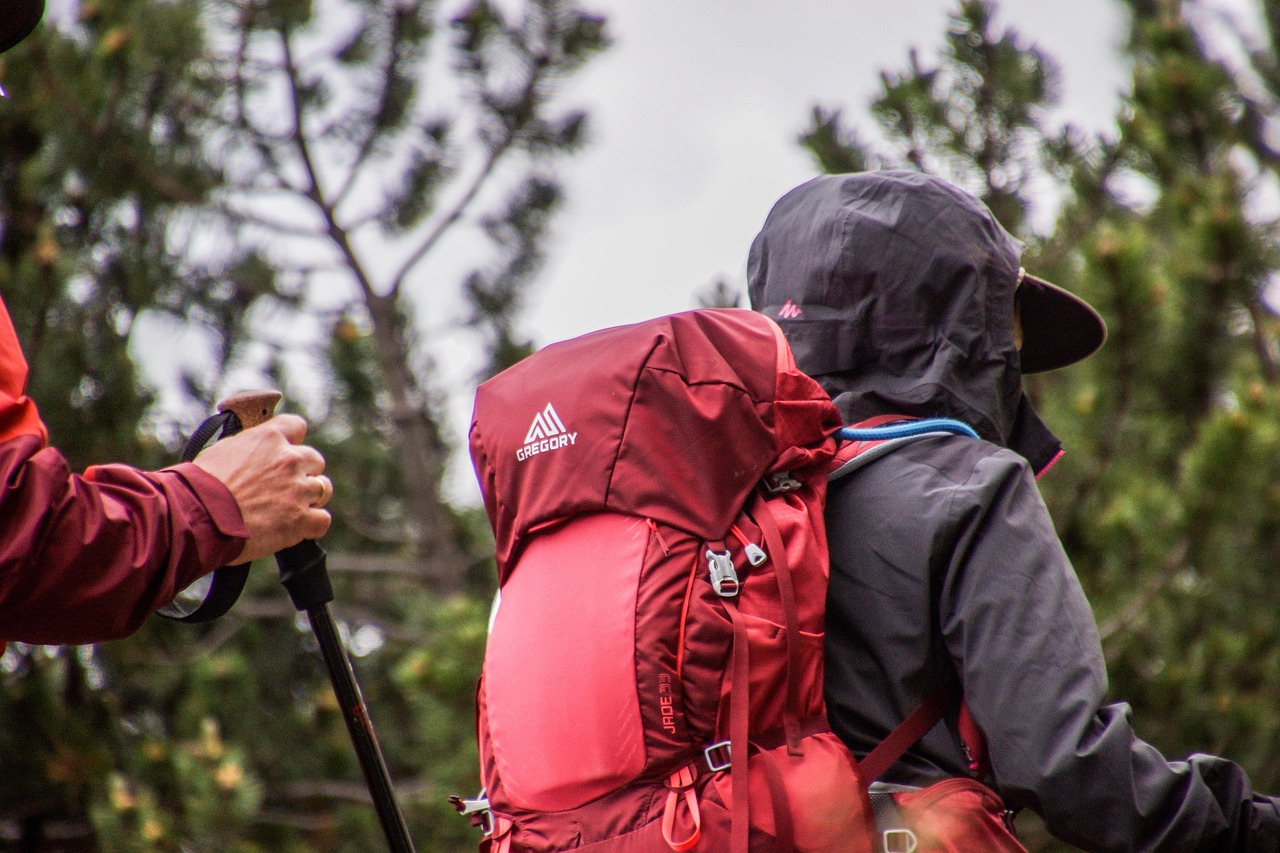
I used to be a purist about hiking in silence, believing that music somehow diminished the authentic outdoor experience. Then one grey November afternoon, struggling up a muddy climb with fading motivation and aching legs, I impulsively put on music for the first time mid-hike. Within minutes, my pace picked up, my mood lifted, and what had felt like exhausting drudgery transformed into an energizing adventure. The right song at the right moment completely changed my experience.
That revelation opened up a new dimension to my hiking practice. I’m not suggesting music belongs on every hike—some trails demand your full attention to navigation or safety, and there’s profound value in experiencing nature’s sounds without interference. But for certain hikes, particularly familiar routes or moments when motivation flags, the right music creates energy, rhythm, and emotional resonance that enhances rather than detracts from the experience.
This comprehensive guide explores the best songs for hiking across different moods, terrains, and hiking styles. Whether you’re looking for upbeat tracks to power through challenging climbs, mellow songs for peaceful forest walks, or epic anthems for summit moments, you’ll find curated recommendations and strategies for building playlists that perfectly complement your time on trails.
When Music Enhances Hiking (and When It Doesn’t)
Before diving into specific song recommendations, let’s address when music enriches hiking experiences and when it’s better left at home.
Music works beautifully on familiar, well-trafficked trails where navigation is straightforward and you’re unlikely to encounter wildlife requiring caution. Your local nature reserve loop that you’ve walked dozens of times doesn’t demand your complete auditory attention. Long, monotonous sections of trail—perhaps several kilometers of forest track or steady uphill grind—benefit enormously from musical accompaniment that maintains motivation and provides rhythm to match your stride.
Solo hiking often feels more comfortable with music, particularly for people who find extended solitude uncomfortable or who want company without actual human presence. Music fills the silence without requiring the social energy that hiking with others demands. It can also make you feel safer by reducing the slightly anxious hyperawareness that sometimes accompanies solo hiking in isolated areas.
Conversely, music doesn’t belong on trails requiring careful navigation where you might miss important auditory cues—water sources you’re looking for, other hikers approaching on blind corners, or weather changes like approaching thunder. Wildlife-rich areas are better experienced in silence, both to avoid disturbing animals and to increase your chances of hearing and observing them. Many of the most magical hiking moments—birdsong at dawn, wind through trees, the sound of a hidden waterfall—are auditory experiences that music would obscure.
Hiking with others generally works better without personal music. Shared experiences and conversation provide natural companionship that individual music interrupts. If everyone on a group hike is wearing headphones, you’ve essentially chosen to hike alone while happening to walk near other people, which defeats much of the purpose of group hiking.
The key is being intentional about when you use music rather than automatically putting headphones on every hike. I’ve developed a personal guideline: familiar, safe trails where I’m hiking for exercise or emotional reset get music; new trails, challenging navigation, or hikes specifically intended as nature immersion remain silent. This balance lets me enjoy music’s benefits while preserving the irreplaceable experience of hearing the natural world.
Understanding Music’s Impact on Hiking Performance
Music affects hiking in measurable physiological and psychological ways that go beyond simple entertainment. Understanding these effects helps you choose songs strategically rather than randomly shuffling whatever happens to be in your library.
Tempo directly influences walking pace. Humans naturally synchronize movement to musical rhythm—it’s called rhythmic entrainment, and it’s largely unconscious. Songs with beats around 120-140 BPM (beats per minute) naturally match comfortable hiking paces for most people. When you hear music at this tempo, your stride tends to align with the beat without conscious effort, creating efficient, sustainable rhythm. Faster music pushes your pace upward, which works well for challenging climbs where you want to maintain momentum. Slower music relaxes your pace, appropriate for gentle walks or recovery sections after intense effort.
Music’s emotional impact shapes your entire hiking experience. Uplifting, energetic music triggers dopamine release and improves mood, making difficult sections feel more manageable. Research has consistently shown that music reduces perceived exertion—the same physical effort feels easier when accompanied by motivating music. This isn’t just psychological; music appears to partially distract from fatigue signals, allowing you to push slightly harder or longer than you might in silence.
Familiar songs provide comfort and positive associations. Hearing a song you love releases feel-good neurochemicals and often activates memories associated with that music. This can be powerful on trails—a song that reminds you of happy times or personal achievements brings those positive feelings into your current hiking experience, creating emotional support when you need motivation.
Different musical genres suit different hiking purposes. Electronic and pop music with steady beats work excellently for maintaining consistent pace. Rock and alternative music with building energy help power through challenging sections. Acoustic and folk music complement peaceful nature walking without overwhelming the environment. Understanding these patterns helps you curate playlists for specific hiking situations rather than creating one generic list that never quite fits.
Upbeat Songs for Powering Through Challenging Climbs
When you’re facing a steep ascent and need energy to maintain momentum, certain songs provide exceptional motivation. These tracks combine driving beats, uplifting energy, and tempos that naturally encourage forward movement.
“Mr. Blue Sky” by Electric Light Orchestra embodies pure joy and energy with its bright melody and infectious optimism. The 170 BPM tempo pushes you forward without feeling frantic, and the song’s cheerful disposition makes even difficult climbs feel less grueling. When those horns kick in midway through, you’ll find yourself smiling despite burning legs.
“Dog Days Are Over” by Florence + The Machine builds from gentle beginning to explosive, joyful energy that perfectly matches the growing effort of a climb. The lyrics about running and happiness feel particularly appropriate for hiking, and the tribal percussion provides compelling rhythm to stride to. This song has pulled me through numerous challenging ascents when motivation was waning.
“Shut Up and Dance” by Walk the Moon delivers relentless upbeat energy at exactly the right tempo for hiking. The driving beat, positive lyrics, and infectious enthusiasm make it nearly impossible to slow down while this song plays. It’s particularly effective for those sections where you just need to put your head down and keep climbing without overthinking.
“September” by Earth, Wind & Fire might be an older track, but its timeless energy translates perfectly to hiking. The funky rhythm, brass sections, and celebratory feeling create an uplifting atmosphere that makes difficult efforts feel like celebration rather than suffering. The 126 BPM sits perfectly in the hiking sweet spot.
“Feel It Still” by Portugal. The Man offers a slightly different energy—cool confidence rather than explosive enthusiasm. The steady beat and rebellious, self-assured vibe help you settle into sustainable climbing rhythm while feeling strong and capable. This song works particularly well for long, steady ascents where you need consistent effort over extended time.
“Best Day of My Life” by American Authors was practically designed for outdoor adventure. The upbeat tempo, positive lyrics, and building energy structure make it ideal for challenging sections. The song’s genuine joy is infectious, transforming climbs from obstacles to opportunities.
“On Top of the World” by Imagine Dragons carries thematic perfection for hiking—the title alone suggests summits and achievement. The folk-influenced instrumentation feels outdoor-appropriate while the driving rhythm and triumphant feeling provide exactly the emotional boost difficult climbs demand.
Mellow Songs for Peaceful Forest Walks
Not every hike requires high-energy music. Gentle, contemplative songs complement relaxed walking through beautiful landscapes, enhancing rather than overwhelming the natural environment.
“Holocene” by Bon Iver creates an atmospheric, reflective mood perfect for forest walking. The gentle instrumentation, falsetto vocals, and spacious production leave room for nature’s sounds while providing beautiful musical backdrop. This song makes you want to slow down and notice details—the way light filters through trees, patterns in bark, small wildflowers beside the path.
“To Build a Home” by The Cinematic Orchestra offers profound emotional resonance through minimal instrumentation and evocative lyrics. The slow build from quiet piano to full orchestration mirrors the gradual progression through changing landscapes on longer hikes. This is music for contemplation and presence.
“Rivers and Roads” by The Head and the Heart carries bittersweet beauty that resonates with the transient nature of hiking—you walk through landscapes knowing you’ll eventually leave, carrying memories of the experience. The harmonies and acoustic instrumentation feel authentic to outdoor experiences.
“Lost in My Mind” by The Head and the Head provides gentle folk energy that accompanies easy walking without demanding attention. The conversational lyrics and warm instrumentation create companionable atmosphere on solo hikes.
“Home” by Edward Sharpe & The Magnetic Zeros celebrates simple joy and companionship with sweet, relaxed energy. The acoustic arrangement and call-and-response vocals create warmth without intensity, perfect for comfortable paced walking through pleasant landscapes.
“Angela” by The Lumineers offers delicate, intimate folk music that enhances quiet moments on trails. The sparse instrumentation and vulnerable vocals encourage reflective mindset while remaining gently uplifting.
“Let It Be” by The Beatles provides timeless, comforting energy through familiar melody and reassuring message. The moderate tempo works for relaxed walking while the song’s universal familiarity creates sense of connection and peace.
Epic Anthems for Summit Moments
Reaching a summit, viewpoint, or significant hiking milestone deserves musical accompaniment that matches the emotional magnitude of achievement. These songs provide the epic, triumphant feeling these moments deserve.
“Hall of Fame” by The Script featuring will.i.am delivers exactly the triumph and achievement energy summit moments call for. The building intensity, inspiring lyrics, and powerful production create genuine celebration of your accomplishment. Playing this song while taking in summit views elevates already powerful moments into unforgettable experiences.
“Champions” by Queen (original title “We Are the Champions”) remains one of the most triumphant songs ever recorded. The anthem-like quality, Freddie Mercury’s soaring vocals, and universal message of perseverance and victory make it perfect for celebrating hiking achievements.
“Viva la Vida” by Coldplay combines epic production with infectious melody and march-like rhythm. The orchestral elements create grandeur appropriate for panoramic mountain views, while the energetic tempo maintains the achievement feeling rather than becoming overly solemn.
“The Nights” by Avicii celebrates living fully and making memories—precisely what reaching a challenging summit represents. The folk-EDM fusion creates unique energy that feels both outdoor-appropriate and celebratory, and the lyrics about stories worth telling resonate perfectly with memorable hiking moments.
“It’s Time” by Imagine Dragons builds from quiet beginning to explosive, triumphant chorus that mirrors the journey from trailhead to summit. The anthemic quality and message about new beginnings and transformation align beautifully with personal growth that challenging hikes represent.
“Don’t Stop Believin’” by Journey carries such universal familiarity and uplifting energy that hearing it at a summit creates instant emotional response. The building structure, hopeful message, and iconic status make it powerfully effective for celebrating hiking achievements.
“Pompeii” by Bastille offers slightly different energy—resilience and perspective rather than pure triumph. The driving beat and thought-provoking lyrics about endurance and transformation provide contemplative celebration appropriate for summit moments that inspire reflection as well as joy.
Rhythm and Blues for Steady Trail Pace
Maintaining consistent pace over long distances requires music that provides steady rhythm without excessive variation or distraction. These songs offer groove and flow that support sustainable hiking rhythm.
“Superstition” by Stevie Wonder delivers infectious groove at perfect hiking tempo. The funky bass line, clavinet riff, and Stevie’s vocals create compelling rhythm that makes steady walking feel effortless. This song makes it easy to settle into sustainable pace and maintain it for kilometers.
“Use Me” by Bill Withers provides understated cool with steady beat perfect for long-distance rhythm. The bass-driven groove and Withers’ smooth vocals create hypnotic effect that helps you fall into comfortable stride and stay there.
“Ain’t No Mountain High Enough” by Marvin Gaye and Tammi Terrell combines thematic appropriateness with excellent hiking rhythm. The steady beat, uplifting message, and building energy structure maintain motivation across long trail sections.
“Lovely Day” by Bill Withers opens with that iconic extended vocal note before settling into groove that’s impossible not to walk to. The optimistic feeling and smooth rhythm make this perfect for beautiful hiking days when you want music that matches the pleasant experience.
“September” by Earth, Wind & Fire (mentioned earlier but worth repeating here) provides funky, rhythmic energy that sustains pace beautifully. The consistent groove helps you maintain steady effort without feeling forced or exhausting.
“Treasure” by Bruno Mars delivers disco-funk energy with modern production. The bass line, rhythm guitar, and Mars’ vocals create groove that naturally encourages consistent movement. This song makes long trail sections feel like dancing rather than trudging.
“Electric Feel” by MGMT offers psychedelic funk-rock energy with steady beat perfect for long-distance hiking. The groovy bass line and dreamy vocals create hypnotic effect that helps kilometers pass effortlessly.
Acoustic and Folk Songs for Nature Connection
Some hikers prefer music that complements natural settings through acoustic instrumentation and lyrical themes about outdoor life, travel, or nature. These songs enhance rather than compete with the outdoor environment.
“The Cave” by Mumford & Sons provides building folk-rock energy that feels authentically outdoor. The banjo, acoustic guitar, and powerful vocals create music that belongs in wild spaces. The lyrics about wilderness and transformation resonate with hiking’s capacity for personal insight.
“Little Talks” by Of Monsters and Men combines folk instrumentation with infectious melody. The call-and-response vocals, accordion, and uplifting energy create joyful atmosphere appropriate for beautiful trail days.
“Home” by Phillip Phillips delivers acoustic pop-rock energy with outdoor-appropriate instrumentation. The hand-claps, acoustic guitar, and warm vocals create welcoming, comfortable feeling that complements relaxed hiking.
“I Will Wait” by Mumford & Sons provides driving folk energy with banjo and building structure. The persistent rhythm and hopeful lyrics support steady forward movement while maintaining acoustic, outdoor-appropriate sound.
“Ho Hey” by The Lumineers offers simple, joyful folk-pop with minimal instrumentation. The Americana sound, hand-claps, and singalong quality make it feel like campfire music you can hike to.
“Riptide” by Vance Joy delivers quirky, endearing folk-pop with ukulele and warm vocals. The lighthearted feeling and beach/outdoor imagery create pleasant atmosphere for easy hiking.
“Wagon Wheel” by Old Crow Medicine Show (or Darius Rucker’s version) embodies traveling folk music perfectly suited to hiking. The traditional instrumentation, lyrics about journeying, and familiar melody make this classic hiking music.

Electronic and Indie for Modern Trail Vibes
Electronic and indie music offers contemporary energy and production styles that many hikers find motivating and enjoyable on trails. These songs provide modern soundtrack for outdoor adventures.
“Midnight City” by M83 delivers synth-driven energy that builds to euphoric saxophone solo. The driving beat, atmospheric production, and building intensity create powerful hiking soundtrack that makes trails feel cinematic and epic.
“Safe and Sound” by Capital Cities provides infectious electro-pop energy with brass elements. The steady beat, positive lyrics, and unique production make it perfect for maintaining upbeat hiking mood.
“Electric Love” by BØRNS offers smooth electro-indie-pop with falsetto vocals and groovy production. The cool, confident energy and danceable rhythm translate beautifully to hiking, particularly on summer trails.
“Pumped Up Kicks” by Foster the People delivers indie-pop with driving bass line and whistling melody. Despite darker lyrics, the musical energy and steady beat make it effective hiking music.
“Tongue Tied” by Grouplove provides indie-rock energy with infectious enthusiasm. The driving rhythm, cheerful vocals, and building structure create motivating soundtrack for challenging trail sections.
“Little Secrets” by Passion Pit offers high-energy indie-electro-pop with falsetto vocals and layered production. The frenetic energy and unusual sounds create engaging hiking soundtrack that maintains interest over long distances.
“Young Folks” by Peter Bjorn and John centered on that iconic whistling melody, provides indie-pop that’s both catchy and hiking-appropriate. The moderate tempo and memorable melody make it excellent for steady walking.
Creating Your Personal Hiking Playlists
Building effective hiking playlists requires more thought than simply throwing favorite songs together randomly. Strategic playlist construction significantly enhances your hiking experience.
Consider creating different playlists for different hiking moods and situations rather than one massive general hiking playlist. A “Morning Energy Hike” playlist might emphasize upbeat, cheerful songs. “Challenging Climb Power” could focus on driving, intense tracks. “Peaceful Forest Walk” would feature mellow, contemplative music. “Epic Summit Celebration” would include triumphant anthems. Having multiple specialized playlists lets you match music to your current hiking experience perfectly.
Structure playlists to match typical hiking rhythm rather than random shuffle. Begin with moderate energy songs that support warm-up and early trail sections. Build to higher energy tracks for middle sections where you’re fully warmed up and working hardest. Include some recovery songs for rest breaks or easier sections. Consider whether you want gradual build or sudden energy shifts based on your trail and personal preferences.
Pay attention to playlist length relative to expected hike duration. Nothing breaks hiking flow like your music ending halfway through a long trail, forcing you to restart playlists or switch to something random. For a three-hour hike, build a three-to-four-hour playlist. For longer adventures, ensure you have enough music or create playlists that loop naturally without jarring transitions.
Include familiar favorites alongside new discoveries. Songs you know and love provide comfort and positive associations, but hearing only the same tracks repeatedly becomes boring. Balance reliable favorites with new music to keep hiking fresh and interesting. Discovery mode on music platforms can introduce new songs while hiking, though this works better on familiar trails where you don’t need to carefully manage your experience.
Test playlists on actual hikes and refine based on what works. Songs that seem perfect at home might have wrong energy or tempo on trails. Pay attention to which songs you find yourself skipping repeatedly—those don’t belong in hiking playlists regardless of how much you like them in other contexts. Note which songs consistently provide exactly the energy or mood you need and ensure those anchor your playlists.
Technical Considerations for Hiking With Music
Listening to music while hiking requires some practical considerations beyond song selection to ensure safety, etiquette, and enjoyable experience.
Volume management is crucial for safety and trail etiquette. You need to hear important environmental sounds—other hikers approaching, wildlife movement, bike bells on shared trails, weather changes. Keep volume at level where you can still hear these external sounds. If you can’t hear someone calling from a few meters away, your music is dangerously loud. Bone conduction headphones offer excellent solution, allowing music enjoyment while leaving ears open to environmental sounds.
On shared trails, your music should never be audible to other hikers. Playing music from phone speakers or having headphones so loud that others hear it disrupts their experience and is considered extremely poor trail etiquette. If you’re not using headphones and are on populated trails, don’t play music at all. Remote wilderness locations where you won’t encounter others for hours allow more flexibility, but on any frequented trail, keep music private.
Battery management becomes important on longer hikes. Music drains phone batteries significantly, and you need phone battery for navigation, emergency calls, and photos. Bring portable battery pack if you’re planning to listen to music for extended periods. Alternatively, download music to dedicated MP3 player or old phone used solely for music, preserving your primary phone’s battery for essential functions.
Download music for offline listening before hikes. You won’t have data connection on most trails, and streaming music quickly drains battery even if you do have signal. Every major music platform—Spotify, Apple Music, YouTube Music—allows downloading playlists for offline use. Make this standard pre-hike preparation along with packing water and checking weather.
Weather protection for technology matters when hiking with music. Phones and headphones don’t appreciate rain, sweat, or extreme temperatures. Keep phone in waterproof case or sealed bag inside your pack. Choose sweat-resistant or waterproof headphones designed for athletic use. In very cold conditions, batteries drain faster and screens stop responding—keep devices inside jacket close to body warmth when not actively using them.
When Silence Is the Best Soundtrack
Despite this entire guide about music for hiking, I’d be remiss not to emphasize that silence—or rather, nature’s sounds—often provides the most profound hiking experience. There’s something irreplaceable about hearing wind through trees, birdsong, flowing water, or simply the rhythm of your own breathing and footsteps.
Some of my most meaningful hiking experiences happened in complete silence. Watching sunrise from a mountain summit while hearing nothing but wind and distant bird calls creates connection to place and moment that music would have interfered with. Discovering a hidden waterfall announced only by the gradually increasing sound of rushing water as you approach offers magic that headphones would have obscured.
I encourage developing relationship with both musical and silent hiking. Don’t become so dependent on music that silence feels uncomfortable or boring. Some trails deserve your full auditory attention—they’re speaking through natural sounds that are worth hearing. Other trails benefit from musical accompaniment that enhances your experience and supports your physical and emotional state.
The choice between music and silence isn’t binary or permanent. You can start a hike in silence, add music for a challenging middle section, then remove headphones for the final descent to hear the forest again. You can hike certain familiar trails with music consistently while always experiencing new trails in silence. Developing this flexibility and intentionality around music use enriches your hiking practice far more than rigid rules either way.
Your Perfect Hiking Soundtrack Awaits
Music has the power to transform hiking experiences, providing rhythm, motivation, emotional resonance, and pure joy on trails. The right song at the right moment can turn struggling effort into triumphant achievement, peaceful walking into meditative flow, or summit celebration into unforgettable memory.
Building hiking playlists is deeply personal—what energizes one person might annoy another, and what feels perfect for one trail might be completely wrong for different conditions. Use these recommendations as starting points, then follow your own musical preferences and hiking experiences to create soundtracks that perfectly complement your time on trails.
Start experimenting with music on your next familiar hike. Notice how different songs affect your pace, mood, and experience. Build playlists intentionally for specific hiking situations. Balance musical hiking with silent nature immersion. And most importantly, let music serve your hiking rather than dominating it—use it as tool to enhance already wonderful experiences, not as distraction from being present in beautiful places.
The trails are calling, and whether you answer with music or silence, adventure awaits.
What are your favorite hiking songs? Do you prefer silence or soundtracks on trails? Share your hiking playlist recommendations in the comments—we’d love to discover new music for our next adventures!
Leave a Reply