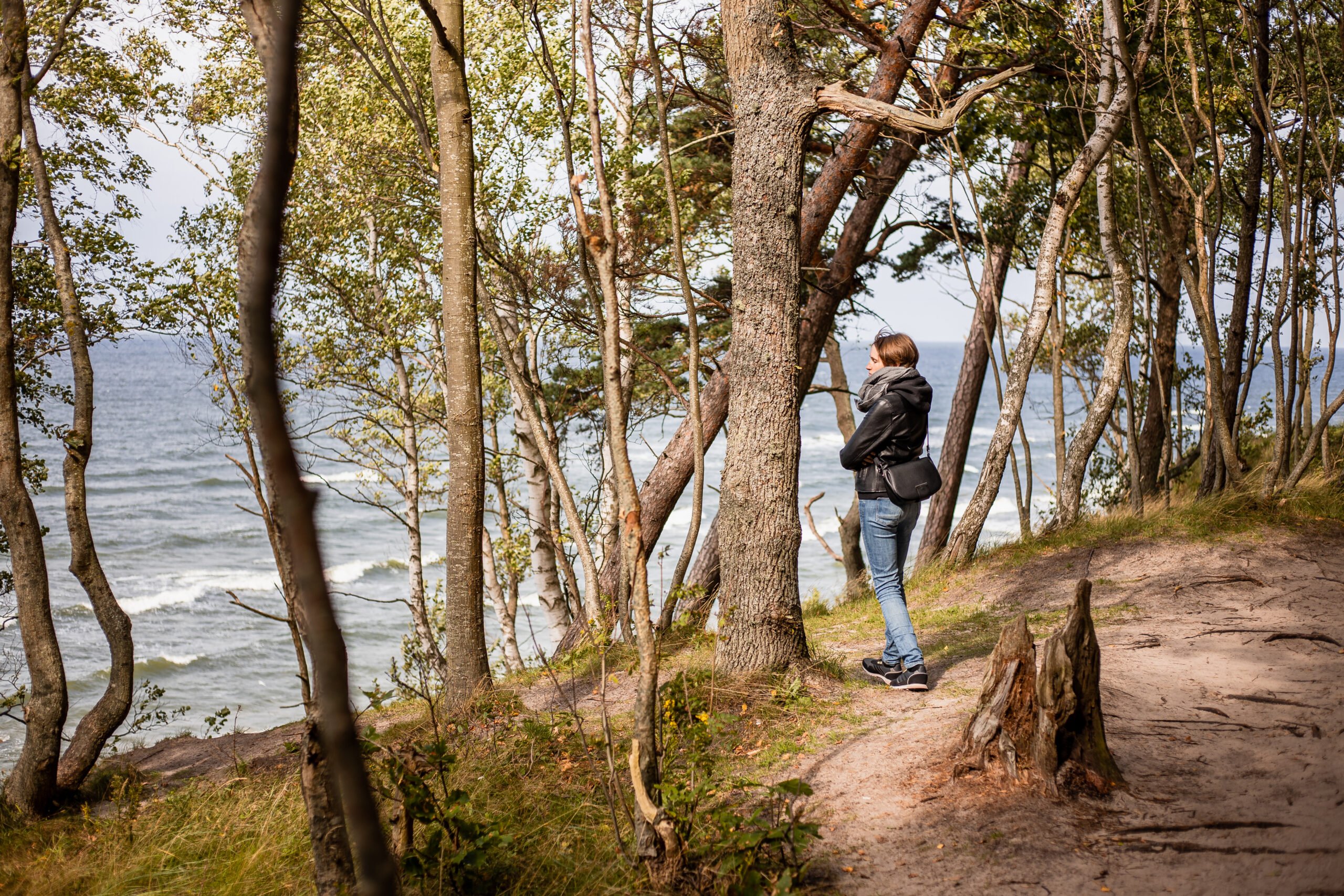
I used to be that person who hiked once every few months when the weather was perfect, motivation struck, and I had nothing else to do. My hiking boots spent more time collecting dust in the closet than dirt on trails. I’d have bursts of enthusiasm after seeing beautiful mountain photos online, promise myself I’d hike more regularly, then somehow three months would pass before I laced up those boots again.
The transformation from occasional hiker to someone who genuinely makes hiking a consistent part of life didn’t happen overnight. It required understanding how habits actually form, removing the barriers that kept me off trails, and building systems that made hiking the easy choice rather than something requiring enormous motivation. Now hiking isn’t something I force myself to do—it’s simply part of who I am and how I spend my time.
If you’re tired of wanting to hike more but struggling to make it happen consistently, this guide reveals exactly how to make hiking a genuine habit rather than an occasional activity you feel guilty about neglecting.
Understanding Why Hiking Habits Fail Before They Start
Before diving into strategies that work, let’s examine why most people struggle to make hiking a regular practice. The typical approach goes something like this: you decide you want to hike more, you commit to hiking every weekend, you manage it for two or three weeks, then life gets busy or the weather turns bad or you’re just not feeling it one Saturday, and suddenly the habit dissolves completely.
This isn’t a failure of willpower or discipline. It’s a failure of understanding how sustainable habits actually form. Hiking presents unique challenges that differ from habits like going to the gym or practicing an instrument at home. You can’t just walk into your living room and start hiking. It requires planning, travel to trailheads, weather dependency, and often several hours of commitment. These friction points make hiking particularly vulnerable to excuses and postponement.
The secret to making hiking stick isn’t about forcing yourself onto trails through sheer determination. It’s about systematically reducing friction, creating positive associations, building a supportive environment, and starting so small that hiking feels almost effortless rather than like a major undertaking requiring perfect conditions and maximum motivation.
Starting Hiking Smaller Than You Think Necessary
The biggest mistake aspiring regular hikers make is starting too ambitiously. You’re excited about hiking, so you plan a challenging 15-kilometer mountain trail for your first outing. You might complete it, but you’ll be exhausted and sore for days afterward. The next weekend, the thought of another grueling adventure feels daunting rather than appealing, so you skip it. Before you know it, hiking becomes associated with exhaustion rather than enjoyment, and the habit never forms.
Instead, start absurdly small. I’m talking about hikes so short and easy that they feel almost too simple. A 30-minute walk on a flat nature trail near your home. A gentle woodland path you could complete while barely breaking a sweat. Something that leaves you thinking “I could definitely do that again” rather than “I need a week to recover.”
This approach works because habit formation relies on consistency and positive reinforcement, not intensity. Your brain needs to associate hiking with pleasant experiences, not suffering. When each hike feels manageable and enjoyable, you’ll actually look forward to the next one instead of dreading it. Once the habit of regularly getting outdoors is established—once you’re consistently spending time on trails every week without having to force yourself—then you can gradually increase difficulty and duration.
Think of it like learning a language. You don’t start by reading complex literature. You begin with simple phrases, build confidence through small successes, and gradually progress to more challenging material. Hiking works the same way. Master the habit of showing up regularly on easy trails before worrying about conquering challenging peaks.
Creating a Consistent Hiking Schedule That Actually Works
Habits thrive on consistency, but that doesn’t necessarily mean hiking at exactly the same time every week. What it does mean is having a clear plan for when hiking happens in your life rather than leaving it to chance or waiting until you “feel like it.”
For many people, dedicating Saturday or Sunday mornings to hiking works well. Weekend mornings offer several advantages: you’re typically well-rested, daylight hours are plentiful, and you haven’t yet filled your day with other commitments. The key is choosing a specific time slot and protecting it from other activities. This doesn’t mean you can never be flexible, but it does mean hiking gets scheduled priority rather than happening only when nothing else comes up.
If weekends don’t work for your lifestyle, consider other consistent patterns. Perhaps Wednesday evenings after work become your hiking time during longer daylight months. Maybe early mornings before your workday suit your schedule better. The specific timing matters less than the consistency of having a designated slot where hiking happens.
One strategy that helps many people is treating hiking appointments like any other important commitment. Put it in your calendar. Tell friends and family that this is your hiking time. Create external accountability by joining a hiking group that meets regularly or finding a hiking partner who counts on you showing up. When hiking exists as a vague intention rather than a scheduled commitment, it’s far too easy to let it slide.
Removing Barriers and Reducing Friction
Every obstacle between you and actually hiking represents a potential excuse to skip it. The more friction involved in getting to a trail, the more motivation required to follow through. Since motivation naturally fluctuates, reducing friction is crucial for building sustainable habits.
Start by identifying your personal barriers. For some people, the biggest obstacle is transportation—getting to trailheads feels complicated or time-consuming. For others, it’s not knowing where to hike or feeling overwhelmed by trail options. Perhaps you struggle with deciding what to pack, or you don’t own appropriate gear, or you’re not confident hiking alone. Whatever your specific barriers are, systematically work to reduce or eliminate them.
If transportation is challenging, focus initially on trails easily accessible from your home. Research local nature reserves, parks, or even urban trails within a short drive or public transport ride. Having five nearby trails you can reach in under 30 minutes eliminates the “it’s too far” excuse. Save the dramatic mountain trails requiring hours of driving for occasional special trips, not your regular hiking habit.
If gear overwhelm stops you from hiking, simplify radically. You don’t need expensive equipment to walk on trails. Comfortable shoes, a water bottle, and weather-appropriate clothing are sufficient for easy local hikes. As hiking becomes habitual, you can gradually acquire specific gear, but don’t let lack of perfect equipment prevent you from starting.
Preparation paralysis kills many potential hiking habits before they begin. Reduce decision fatigue by creating standard systems. Pack your hiking backpack the night before with everything you need. Keep a checklist on your phone so you’re not reinventing the wheel each time. Develop go-to trail options for different weather conditions or available time windows. The less mental energy required to actually get yourself onto a trail, the more likely you’ll consistently do it.
Building Positive Associations With Hiking
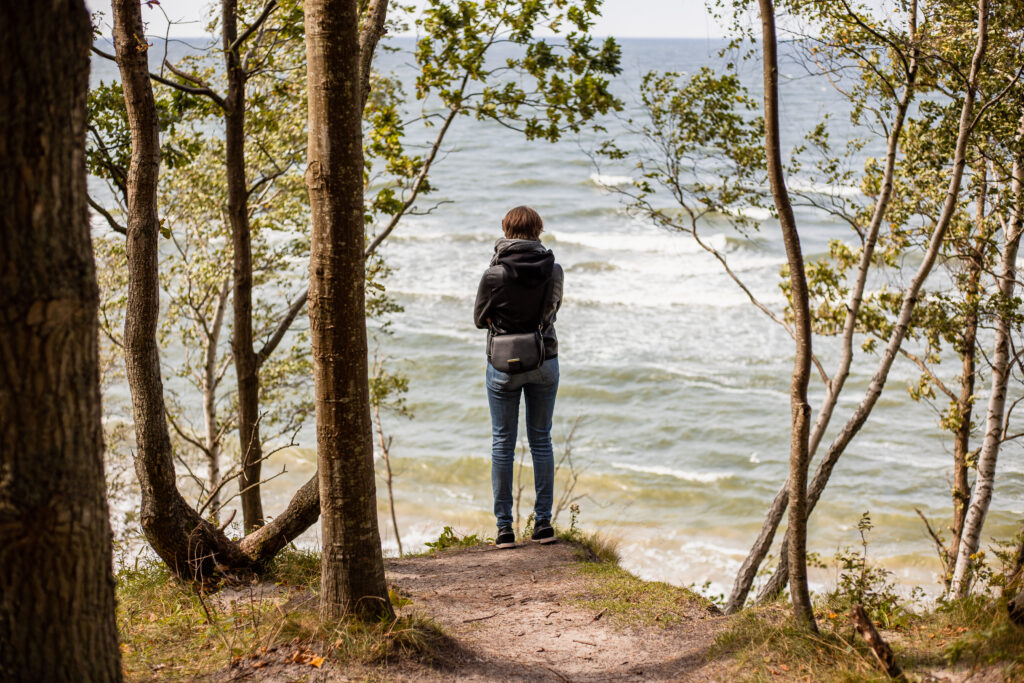
Your brain forms habits around activities that feel rewarding. If hiking consistently feels like punishment—exhausting, uncomfortable, or boring—your brain will resist making it habitual. Conversely, when hiking is associated with pleasure, accomplishment, and positive emotions, habit formation becomes natural.
This means intentionally designing your early hiking experiences to be enjoyable rather than challenging. Choose trails with beautiful scenery that inspire you rather than muddy, uninspiring paths just because they’re nearby. Hike during pleasant weather when you’re starting out rather than forcing yourself out in pouring rain to prove your commitment. Bring snacks you love and take breaks to enjoy them at scenic spots. Listen to music or podcasts if that makes the experience more enjoyable for you. Take photos of beautiful moments.
Allow yourself to appreciate the experience rather than treating every hike as training or something to endure. If you’re constantly pushing yourself to exhaustion or hiking in miserable conditions out of stubbornness, you’re building associations that work against habit formation. There’s a place for challenging yourself and building resilience, but that comes after the basic habit is established, not before.
Pay attention to what aspects of hiking you genuinely enjoy and emphasize those elements. Some people love the solitude and meditative quality of solo hiking. Others thrive on the social connection of hiking with friends. Perhaps you’re drawn to wildlife observation, photography opportunities, or the physical challenge of climbing. Whatever resonates with you personally, make that central to your hiking practice. When hiking aligns with things you already value and enjoy, it stops feeling like another obligation and becomes something you genuinely want to do.
Finding Your Hiking Community
While some people prefer solo hiking, having social connections around your hiking habit significantly increases the likelihood it will stick. This doesn’t necessarily mean joining organized hiking groups, though that’s one excellent option. It simply means surrounding yourself with people who support and encourage your hiking practice.
Start by talking about your hiking experiences with friends and family. Share photos from trails you’ve explored. Mention interesting wildlife you spotted or peaceful moments you experienced. When hiking becomes part of your identity and something you discuss with others, it reinforces the habit. You might discover that people in your existing social circle also enjoy hiking and would welcome company on trails.
Online hiking communities offer tremendous value even if you primarily hike alone. Following hiking Instagram accounts, joining local hiking Facebook groups, or participating in forums like Reddit’s hiking communities keeps hiking visible in your daily life. Seeing others’ trail experiences, asking for recommendations, and sharing your own adventures creates a sense of connection to a broader hiking community.
If you’re struggling with motivation, finding a consistent hiking partner or joining a regular hiking meetup transforms the habit significantly. When someone else is counting on you to show up, you’re far more likely to follow through even on days when motivation is low. The social accountability and companionship make hiking feel less like a solitary discipline challenge and more like an enjoyable social activity that happens to involve walking in nature.
Tracking Progress Without Obsessing
Some level of tracking helps reinforce hiking as a developing habit, but this is a delicate balance. Too much focus on metrics can make hiking feel like another performance obligation rather than an enjoyable practice. Too little attention, and you miss the motivating power of seeing your consistency build over time.
A simple approach is keeping a hiking journal where you note each hike—just the date, location, and perhaps a sentence or two about the experience. This creates a tangible record of your developing habit without requiring elaborate tracking. Looking back and seeing you’ve hiked twelve times in the past three months provides concrete evidence that the habit is forming, which reinforces your identity as someone who hikes regularly.
Many people find apps like AllTrails helpful not just for discovering trails but also for automatically tracking their hiking activity. The app logs your completed hikes, total distance, and elevation gain without requiring manual data entry. Watching these numbers accumulate over months can be motivating, though it’s important not to let the metrics become the point. The goal is developing a genuine hiking habit, not collecting impressive statistics.
Consider tracking your emotional experience alongside the practical details. How did you feel during and after the hike? What did you notice or appreciate? This qualitative tracking helps you understand what types of hiking experiences bring you the most satisfaction, which informs future choices and strengthens the positive associations that support habit formation.
Adapting to Seasonal Changes
One major challenge in maintaining a consistent hiking habit is seasonal variation. In many parts of Europe, weather changes dramatically throughout the year, and the trails perfect for summer hiking become muddy, snowy, or simply inhospitable in winter months. If your hiking habit depends on perfect conditions, it will inevitably break down when seasons change.
The solution is developing seasonal flexibility rather than abandoning hiking when conditions shift. This means accepting that winter hiking looks different from summer hiking—shorter distances, different trail choices, different gear requirements. Instead of viewing bad weather as a barrier, learn to hike in rain with appropriate waterproof gear. Discover the unique beauty of winter landscapes on cold, clear days. Find forest trails that remain accessible when mountain paths are snowy.
Many hikers develop completely different hiking routines for different seasons. Summer might mean early morning mountain hikes to avoid heat. Autumn brings all-day adventures with perfect temperatures and stunning foliage. Winter shifts to shorter woodland walks closer to home. Spring focuses on lowland trails bursting with wildflowers while high elevations remain snow-covered. Rather than fighting seasonal limitations, embrace them as opportunities to explore different aspects of hiking.
Having backup indoor activities for genuinely terrible weather prevents your outdoor habit from creating guilt when conditions make hiking unreasonable. Perhaps truly stormy days become your rest days, or you substitute a long walk through town when trails are impassable. The key is maintaining some version of the habit even when the ideal version isn’t possible, which keeps the pattern alive through challenging periods.
Dealing With Inevitable Breaks and Setbacks
Life happens. Illness, injury, work demands, family obligations, travel, or simply a period of low motivation will occasionally interrupt even well-established hiking habits. The difference between people who maintain hiking as a long-term practice and those who repeatedly start and stop is how they handle these inevitable breaks.
When you miss a planned hike or go several weeks without hitting trails, the crucial moment is what happens next. Many people interpret this break as evidence that they’ve failed, that they’re not really “hikers,” that they should just give up since they can’t maintain consistency. This all-or-nothing thinking destroys habits that could otherwise recover from temporary interruptions.
Instead, view breaks as normal and temporary. Acknowledge whatever disrupted your hiking pattern without judgment. Life got busy, you were unwell, weather was genuinely terrible for an extended period, or you simply needed a break—all of these are valid. The habit isn’t destroyed unless you decide to abandon it entirely. You can always return to trails, and often the return is easier than you expect because the foundational habit still exists even after weeks of inactivity.
When resuming after a break, resist the urge to jump back in at the level where you left off, especially if the break was lengthy. Return to easier, shorter hikes for the first outing or two. This makes the return less daunting and helps rebuild the habit without overwhelming yourself. Think of it as gently reactivating something that was dormant rather than starting completely from scratch.
Connecting Hiking to Your Deeper Values
Sustainable habits align with our core values and sense of identity. If hiking remains a surface-level activity—something you think you “should” do because it’s healthy or because other people do it—the habit will struggle to stick when life gets complicated. But when hiking connects to things you genuinely care about, it becomes non-negotiable.
Spend some time reflecting on why hiking matters to you personally. Perhaps it’s your primary way of managing stress and maintaining mental health. Maybe hiking represents adventure and exploration in a life that otherwise feels routine. It might connect you to childhood memories of family hikes or represent a commitment to environmental awareness and appreciation of nature. Some people hike as a form of moving meditation or spiritual practice. Others value the physical health benefits and the challenge of continuous improvement.
Whatever your deeper reasons are, make them conscious and remind yourself of them regularly. When you frame hiking not as another item on an endless self-improvement to-do list but as a practice that serves your fundamental values and wellbeing, showing up becomes easier. You’re not hiking because you should. You’re hiking because it genuinely matters to you and contributes to the life you want to live.
This shift in framing is subtle but powerful. It transforms hiking from an external obligation to an internal expression of who you are and what you care about. When that shift happens, you’ve moved beyond forced habit-building into genuine lifestyle integration.
Celebrating Milestones Without Attachment to Outcomes
Acknowledging progress reinforces habit development, so create opportunities to celebrate hiking milestones. This might mean treating yourself to new hiking gear after completing ten hikes, planning a special challenging trail as a reward for three months of consistency, or simply taking a moment to feel proud when you realize you’ve hiked every week for two months straight.
These celebrations serve an important psychological function. They mark progress, create positive associations, and reinforce your identity as someone who hikes regularly. They also provide natural reflection points where you can assess what’s working in your hiking practice and what might need adjustment.
However, be careful not to become so attached to specific outcomes or achievement metrics that the joy of hiking itself gets lost. The goal isn’t to become someone who has hiked 100 trails or completed 500 kilometers or summited every local peak. Those might be enjoyable side effects, but the real goal is integrating hiking into your life as a sustainable, rewarding practice that enhances your wellbeing.
If you find yourself hiking joylessly just to hit a mileage target or check trails off a list, pause and reconnect with what initially drew you to hiking. The numbers and achievements should serve the practice, not become the practice itself.
Evolving Your Hiking Practice Over Time
As hiking becomes genuinely habitual, your relationship with it will naturally evolve. What satisfied you as a beginning hiker might not challenge or interest you after a year of regular practice. This evolution is healthy and normal—it’s a sign that hiking has become integrated into your life rather than remaining a static activity you force yourself to complete.
Allow your hiking practice to grow with you. Perhaps you start with short local walks and eventually develop interest in multi-day treks. Maybe you begin solo hiking for solitude but later discover you love the social aspect of group hikes. You might start hiking purely for exercise and gradually develop interests in trail photography, wildlife observation, or botanical identification.
This evolution keeps hiking fresh and engaging rather than becoming routine in a negative sense. When you’re continually discovering new aspects of hiking to explore, the practice maintains novelty and interest even after years of consistency. The key is staying curious and open to where your hiking journey naturally leads rather than rigidly clinging to how you think it should look.
The Identity Shift: From Trying to Being
The ultimate sign that hiking has become a true habit is an identity shift. You stop being someone who is trying to hike more and become someone who hikes. This isn’t about hiking a certain number of times per week or achieving specific milestones. It’s about hiking being integrated into who you are and how you live.
This shift often happens quietly. One day you realize you automatically check trail conditions when planning your weekend. You find yourself thinking about hiking even when you’re not actively doing it. You make decisions in other areas of your life with your hiking practice in mind—choosing jobs with flexible schedules that allow trail time, picking vacations based on hiking opportunities, investing in quality gear because hiking matters to you.
When someone asks about your hobbies or interests, hiking comes to mind immediately rather than being something you hesitate to mention because you don’t feel like you do it “enough” to claim it. You identify as a hiker not because you hike every single day or because you’ve completed impressive challenges, but simply because hiking is genuinely part of your life.
This identity shift can’t be forced, but you can facilitate it by acting consistently with who you want to become. Refer to yourself as someone who hikes when talking to others. Make choices that a regular hiker would make. Engage with hiking communities. Over time, the identity becomes authentic rather than aspirational.
Your Hiking Habit Starts With One Small Step
Making hiking a genuine habit rather than an occasional activity requires patience, self-compassion, and strategic habit-building approaches. It means starting smaller than feels necessary, reducing friction systematically, building positive associations, creating supportive structures, and connecting the practice to your deeper values.
The transformation from someone who occasionally hikes when everything is perfect to someone who regularly gets outdoors regardless of conditions doesn’t happen through willpower and forced discipline. It happens through understanding how habits actually form and working with your psychology rather than against it.
The trails aren’t going anywhere. You don’t need to hike perfectly or consistently from the start. You just need to begin, show up regularly enough that the pattern starts to establish itself, and trust that small, consistent actions create lasting change far more effectively than sporadic bursts of intense effort.
Your hiking habit—and the healthier, happier, more connected life that comes with it—begins with whatever small step you’re willing to take today. Maybe that’s just researching a nearby trail. Perhaps it’s scheduling your first hike for this weekend. Or possibly it’s simply deciding that you’re someone who hikes now, even if you’re still figuring out exactly what that means.
How did you develop your hiking habit, or what’s stopping you from making hiking a regular part of your life? Share your experiences and challenges in the comments—your story might help someone else take that first step onto the trail.
Leave a Reply