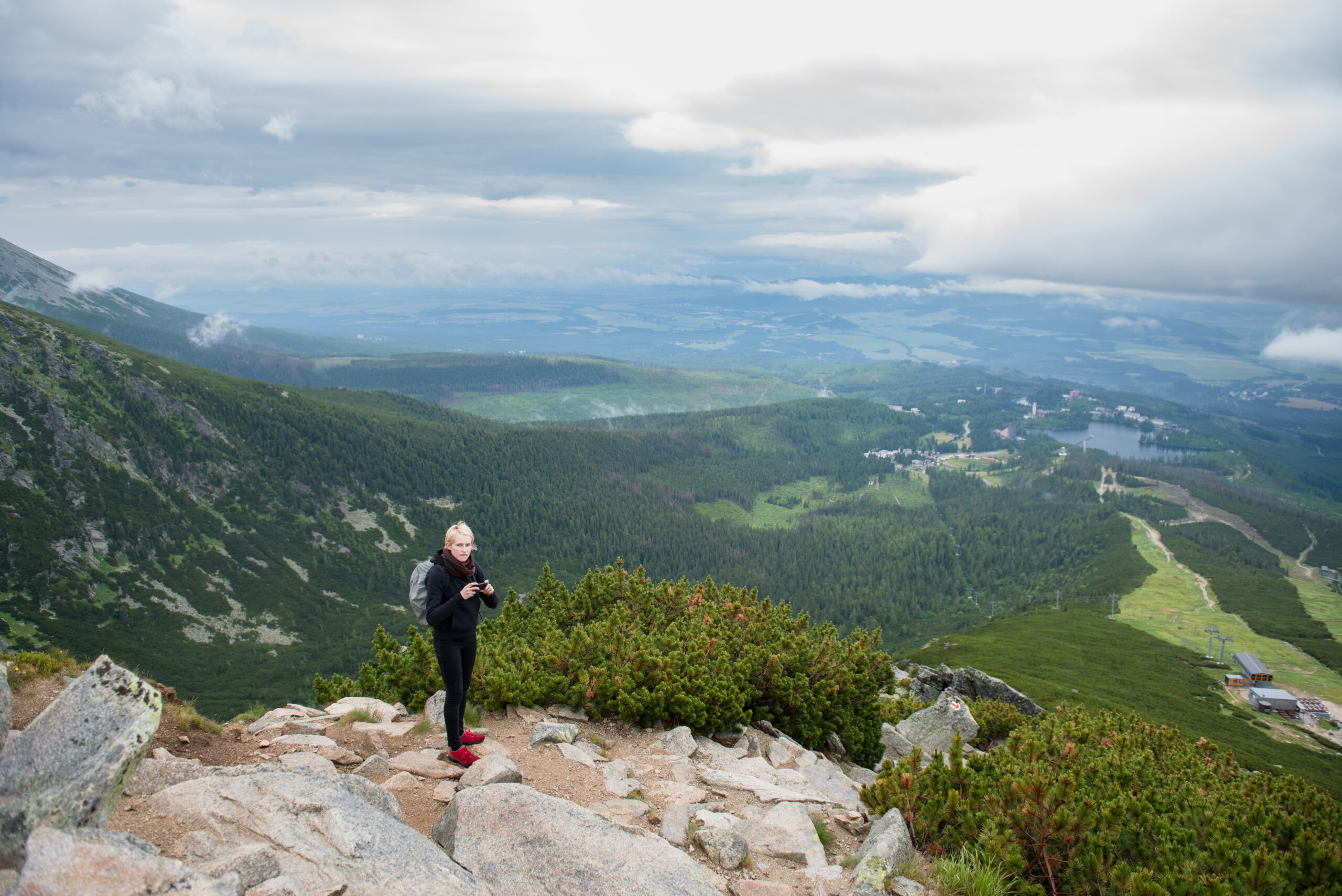
Choosing the best days for hiking can transform your experience from miserable to magical. I’ve learned this lesson the hard way—starting hikes in scorching midday heat, getting caught in unexpected storms, and struggling through crowded trails when a simple schedule adjustment would have made all the difference. After years of hiking across Europe, from the Scottish Highlands to the Spanish Pyrenees, I’ve discovered that timing your hike properly is just as important as choosing the right trail. You really need to know the best days for hiking.
This comprehensive guide reveals the best days for hiking in Europe, covering optimal seasons, ideal weather conditions, day-of-week strategies, and specific timing advice for different European regions. Whether you’re planning a weekend hike or a longer hiking holiday, these insights will help you maximize comfort, safety, and enjoyment on every trail. And choose the best days for hiking easily.
Why Timing Your Hike Matters More Than You Think
The difference between the best days for hiking versus worst day can be dramatic:
Weather conditions dramatically affect safety, visibility, and comfort Crowd levels transform the wilderness experience from peaceful to frustrating Trail conditions vary significantly with seasons and recent weather Daylight hours determine how much ground you can safely cover Temperature impacts energy levels, hydration needs, and overall enjoyment Wildlife activity changes throughout seasons and times of day
Understanding these factors helps you choose not just the best season, but the actual best days for hiking within that season for your hiking adventures.
Best Days for Hiking in Different European Regions
Europe’s diverse climate means the best hiking season varies dramatically by region. Here’s when to plan your hikes across the continent:
Spring Hiking in Europe (March-May): Where to Go
Best regions for spring best days for hiking:
Mediterranean Europe (Spain, Italy, Greece, Portugal): Spring is absolutely perfect for Mediterranean hiking. March through May offers mild temperatures (15-22°C), blooming wildflowers, green landscapes before summer drought, and fewer tourists than peak season.
Lowland trails across Western Europe: England’s countryside, France’s valleys, Germany’s forests, and Belgium’s Ardennes all shine in spring. Fresh greenery, moderate temperatures, and longer daylight hours make this ideal for building hiking fitness.
Why spring can be challenging: Mountain trails often remain snow-covered until May or June. Alpine regions, Scottish Highlands, Scandinavian mountains, and Pyrenean high routes typically aren’t accessible for beginners until late spring at earliest.
Best spring hiking days: Mid-April through May offer the sweet spot—warmer than early spring, but before summer crowds arrive. Weekdays in May are particularly excellent for popular trails.
Summer Hiking in Europe (June-August): Timing is Everything
Best regions for best days for hiking in summer:
Scandinavian mountains (Norway, Sweden, Finland): Summer is the only realistic season for most mountain hiking in far northern Europe. June through August offers 20+ hours of daylight, accessible trails free from snow, and surprisingly pleasant temperatures (12-18°C in the mountains).
Alpine regions (Switzerland, Austria, French Alps, Italian Dolomites): High mountain trails become accessible from mid-June onwards. July and August offer reliable weather, though they’re also the busiest months.
Scottish Highlands: Summer brings the most stable weather (relatively speaking—it’s still Scotland!) and longest days for tackling longer routes.
Why summer can be challenging: Southern Europe becomes brutally hot. Spain, southern Italy, Greece, and southern France often see temperatures exceeding 35°C, making hiking dangerous during midday hours. Coastal and mountain trails across Southern Europe get extremely crowded in July and August.
Best days for hiking in summer:
- In northern/Alpine regions: Mid-week days in July offer the best balance of good weather and manageable crowds
- In southern Europe: Only hike early mornings (starting before 7am) or evenings; avoid July-August entirely if possible, opting for June or September instead
- Everywhere: Avoid the first weekend of summer holidays (varies by country) when trails become overwhelmingly crowded
Autumn Hiking in Europe (September-November): The Hidden Gem Season
Best regions for autumn best days for hiking:
Central and Southern Europe: September and October are genuinely magical. Comfortable temperatures, stunning fall colors, dramatically fewer crowds, and stable weather patterns make autumn my personal favorite hiking season.
UK and Ireland: September offers the best chance of dry weather before autumn rains set in. October brings beautiful autumn colors, though rain becomes more frequent.
Alpine regions: September is spectacular—summer crowds disappear, weather remains mostly stable, and fall colors paint the landscapes. Early October can still be excellent, but mountain weather becomes less predictable.
Why autumn can be challenging: Daylight hours decrease significantly. By November, you have limited hiking time before sunset. Mountain trails at higher elevations may close or become dangerous due to early snow from October onwards.
Best days for hiking in the autumn:
- September weekdays: Absolutely prime time across most of Europe
- Early October: Still excellent for lower elevation trails
- Avoid late October/November: Unless hiking low-elevation routes with very short days in mind
Winter Hiking in Europe (December-February): For the Prepared
Best regions for winter hiking:
Mediterranean coast and islands: Southern Spain, Portugal’s Algarve, Greek islands, and southern Italy offer surprisingly pleasant winter hiking. Temperatures range from 10-16°C—cool but comfortable for active hiking.
Low-elevation trails everywhere: Forest paths, river valleys, and coastal routes across Europe remain accessible year-round, though you’ll need waterproof gear and should expect mud.
Why winter is challenging: Short daylight hours (as little as 7-8 hours), unpredictable weather, muddy or icy trail conditions, and many mountain huts/facilities closed for the season.
Best days for hiking in the winter
- Mild, clear days in December or February: January is typically the coldest and least appealing
- Mediterranean regions: Any dry day between December-February works well
- Midweek always: Fewer people means safer social distancing on potentially slippery trails
Best Weather Conditions for Hiking: What to Look For
Beyond choosing the right season, specific weather conditions make certain days significantly better for hiking:
Temperature: The Goldilocks Zone
Ideal hiking temperature: 12-20°C (54-68°F)
This range keeps you comfortable while active without overheating or needing excessive layers. Your body generates significant heat while hiking, so what feels chilly standing still becomes perfect once moving.
Hot weather hiking (above 25°C/77°F):
- Start before sunrise to complete most hiking before temperatures peak
- Bring double your usual water supply
- Choose shaded forest trails or higher elevation routes
- Take frequent breaks in shade
- Watch for heat exhaustion symptoms
Cold weather hiking (below 8°C/46°F):
- Layer clothing properly—you’ll warm up quickly once moving
- Bring extra layers for rest stops when you cool down rapidly
- Watch for ice on trails, especially in morning shade
- Check daylight hours carefully—winter days are short
Cloud Cover: More Important Than You’d Think
Best conditions: Light cloud cover or partly cloudy
Full sun exposure becomes exhausting on longer hikes, while complete overcast can be dreary. Light clouds provide perfect hiking conditions—enough sun for warmth and views, enough cloud for comfort.
Clear, sunny days: Beautiful but demanding. Bring extensive sun protection (sunscreen, hat, sunglasses), extra water, and start early before temperatures peak.
Overcast days: Perfectly fine for hiking, often more comfortable than full sun. Just ensure the clouds aren’t bringing rain.
Wind: The Invisible Factor
Ideal conditions: Light winds (under 20 km/h)
Moderate winds (20-40 km/h): Manageable on most trails but can be tiring, especially on exposed ridges or coastal paths. Bring wind-resistant layers.
Strong winds (over 40 km/h): Reconsider hiking, especially on mountain routes, coastal cliffs, or exposed ridgelines. Wind significantly increases exhaustion and can be dangerous on narrow or exposed paths.
Pro tip: Wind apps like Windy.com provide detailed forecasts including wind speeds at different elevations—crucial for mountain hiking.
Precipitation: Know Before You Go
Best days for hiking based on conditions: No rain in the forecast, and ideally none in the previous 24 hours
Light rain forecasted: Hiking in light drizzle can actually be lovely with proper waterproof gear. Trails are usually quieter, and the atmosphere is atmospheric and peaceful.
Heavy rain or storms forecasted: Postpone your hike. Trails become slippery and dangerous, visibility drops, rivers may be swollen making crossings unsafe, and the experience is generally miserable.
Recent heavy rain: Even if today is dry, trails can be muddy, slippery, and potentially dangerous for days after significant rainfall. Check recent weather history before committing to a hike.
Best Days of the Week for Hiking in Europe
Choosing the right day of the week dramatically affects your hiking experience:
Weekday Hiking: The Clear Winner
Tuesday, Wednesday, Thursday are consistently the best days for hiking across Europe:
Fewer crowds: Popular trails that are shoulder-to-shoulder on weekends feel genuinely peaceful midweek Better parking availability: Trailhead parking fills up on weekends but remains available on weekdays Quieter mountain huts and facilities: Less competition for tables, bathrooms, and refreshments More authentic experience: Feel like you have trails to yourself rather than being part of a crowd
Who this works for: Remote workers, freelancers, people with flexible schedules, retirees, or anyone who can strategically take weekdays off. Trust me—if you can arrange it, weekday hiking is transformative.
Weekend Hiking: Making It Work
If weekends are your only option (like most people), these strategies help:
Start extremely early: Begin hiking by 7am or earlier, especially on popular trails. You’ll enjoy peaceful morning hours and pass crowds heading up as you descend.
Choose less popular trails: Research lesser-known routes that offer similar scenery to famous trails without the Instagram fame that drives crowds.
Avoid three-day weekends: Bank holidays and long weekends bring triple the crowds. If you must hike these weekends, apply the “start early” strategy religiously.
Sunday mornings are better than Saturday: Many people party Friday night or sleep in Sunday morning. Saturday sees more hikers than Sunday in most locations.
Consider evening hikes in summer: On long summer days, starting a hike at 3-4pm means you’ll encounter people finishing as you begin, then have trails largely to yourself.
Best Specific Days for European Hiking
Based on years of experience across the continent:
Absolute best: Wednesday in mid-May or mid-September
- Perfect weather in most regions
- Minimal crowds
- Good trail conditions
- Reasonable daylight hours
Second best: Tuesday or Thursday in early June or early October
- Still excellent weather
- Very manageable crowds
- Trails in great condition
Worst days: Saturday of any three-day weekend in July or August
- Maximum crowds
- Peak heat (in many regions)
- Parking nightmares
- Long queues at popular viewpoints
Best Time of Day to Start Your Hike
When you begin hiking matters as much as which day you choose:
Early Morning Starts: The Pro Move
Benefits of starting between 6-8am:
Best light for photography: Golden hour light makes landscapes spectacular Cooler temperatures: Especially crucial in summer or southern Europe Wildlife activity: More likely to spot animals during dawn hours Empty trails: Beat the crowds entirely Plenty of time: Complete your hike with daylight to spare, no rushing Morning weather is often best: Many regions see afternoon storms or wind
Downsides: Requires waking early, potentially driving in darkness, and hiking before you’re fully awake.
My routine: I set alarms for early starts, prepare everything the night before (packed bag, clothes laid out, breakfast ready), and make the sacrifice because the rewards are absolutely worth it.
Mid-Morning Starts: The Compromise
Starting between 9-11am works if:
You’re hiking shorter trails (under 2 hours) where timing is less critical Weather forecasts show stable conditions all day You’re not hiking in hot regions or summer heat You’re okay with moderate crowd levels
Downsides: You’ll encounter crowds, parking may be limited at popular trailheads, and afternoon weather can deteriorate.
Afternoon/Evening Starts: Summer-Only Strategy
Starting between 3-6pm works for:
Summer evening hikes in regions with long daylight (northern Europe) Very hot regions where morning/midday hiking is dangerous Sunset hikes where the goal is specifically evening light
Requirements: Must have very long daylight hours, know your route well, carry headtorch as backup, and be confident finishing in fading light.
Never start afternoon hikes: In winter, on unfamiliar trails, in mountains where weather changes rapidly, or without proper lighting backup.
Regional Timing: Best Days for Specific European Hiking Destinations
Different regions require different timing strategies:
Best Days for UK Hiking
Optimal months: May, June, September Best days: Tuesday-Thursday Weather watch: UK weather is famously unpredictable. Check forecasts but be prepared for changes. Rain is possible any day—embrace it with good waterproofs. Insider tip: Scottish Highlands and Lake District get mobbed on weekends. Visit weekdays or start before 7am on weekends.
Best Days for Alpine Hiking (Switzerland, Austria, French Alps)
Optimal months: Late June through September Best days: Tuesday-Thursday in July or September (avoid August crowds) Weather patterns: Mountain weather changes rapidly. Start early as afternoon thunderstorms are common in summer. Check mountain-specific forecasts, not just valley weather. Insider tip: Even in summer, bring warm layers—mountain temperatures drop significantly with elevation and weather changes.
Best Days for Scandinavian Hiking
Optimal months: Late June through August Best days: Any day works—trails are less crowded than Central Europe, though weekdays still quieter Weather watch: Pack for all conditions even in summer. Arctic weather is unpredictable. Insider tip: Take advantage of midnight sun—you can hike at unconventional hours with full daylight.
Best Days for Mediterranean Hiking (Spain, Italy, Greece)
Optimal months: April-May, September-October (avoid summer heat) Best days: Any day in shoulder seasons; if hiking summer, only early mornings Weather patterns: Stable and predictable in shoulder seasons. Summer brings reliable sun but dangerous heat. Insider tip: Coastal trails offer sea breezes. Inland routes can be 5-10°C hotter—choose accordingly.
Best Days for Eastern European Mountain Hiking
Optimal months: June-September Best days: Weekdays preferred, but generally less crowded than Western Europe Weather watch: Mountain weather in Tatras, Carpathians, and Balkans can change quickly. Thunderstorms common in summer afternoons. Insider tip: These regions offer spectacular hiking with fewer crowds than famous Western European trails—take advantage while they remain relatively undiscovered.
How to Check Conditions Before Your Hiking Day
Don’t just look at the basic weather forecast. Dig deeper:
Essential Pre-Hike Checks
Weather forecasts from multiple sources: Compare forecasts from at least two services (Met Office, Windy, yr.no, Mountain Weather Information Service for UK mountains)
Mountain-specific forecasts: Valley weather often differs dramatically from mountain conditions. Use specialized mountain forecasts when hiking at elevation.
Recent trail reports: Check AllTrails, local hiking forums, or Facebook groups for recent conditions reports from other hikers
Sunrise and sunset times: Especially critical in spring and autumn when daylight hours change rapidly
Wind forecasts: Often overlooked but crucial for safety on exposed routes
Pollen forecasts: If you have allergies, check pollen levels which peak different times depending on region
Trail status: Some trails close seasonally, after storms, or for maintenance. Check official park or trail websites.
Red Flags: When to Postpone Your Hike
Thunderstorms forecasted: Lightning is dangerous, especially on exposed ridges or peaks Very high winds (over 50 km/h): Unsafe on mountain trails or coastal cliffs Heavy rain or snow predicted: Creates dangerous, slippery conditions Extreme heat warnings: Heat exhaustion and heat stroke are serious risks Flash flood warnings: Dangerous even on trails that don’t cross water Trail closure notices: Never ignore these—they exist for your safety
Creating Your Personal Hiking Calendar
Build a strategic approach to planning your hiking days:
Annual Planning Strategy
January-February: Plan your hiking year. Research trails, book any accommodation for popular routes, and set fitness goals.
March-April: Begin hiking season with easier lowland trails to build fitness. Book summer mountain hut reservations (they fill up fast).
May-June: Prime hiking season begins. Execute plans for popular trails before summer crowds, prioritize weekday hikes.
July-August: Focus on mountain trails at elevation, Scandinavian routes, or early-morning Mediterranean hikes. Book time off midweek if possible.
September-October: Autumn glory. Take advantage of the best hiking season with excellent conditions and fewer crowds.
November-December: Wind down with shorter low-elevation hikes, maintain fitness, and start planning next year’s adventures.
Building Flexibility Into Your Schedule
The best hikers remain flexible:
Monitor weather 7 days out: Get a general sense of the week ahead Make final decision 1-2 days before: Weather forecasts become more reliable closer to the date Have backup trails: If conditions aren’t ideal for your planned route, have alternatives ready Be willing to postpone: The trail will still be there next week. Don’t force a hike in dangerous conditions.
My Personal Best Hiking Day Ever
The best day I’ve ever experienced hiking? A Wednesday in mid-September in the Austrian Alps.
I started at 6:30am under clear skies, temperature around 8°C—perfect for warming up while hiking. The cable car had just opened, and I was among the first five people ascending. By 7:30am, I was on the trail with the mountains entirely to myself.
The autumn colors were peak perfection—golden larches against dark evergreens and dramatic grey rock faces. Temperature rose to about 15°C by midday—ideal hiking weather. Not a single cloud appeared all day, giving endless visibility across the Alpine panorama.
I encountered perhaps 15 other hikers total over six hours—incredibly peaceful for a famous route that sees hundreds on summer weekends. The mountain hut served warm apple strudel and coffee with virtually no wait.
Everything aligned: perfect weather, minimal crowds, stunning seasonal colors, comfortable temperature, and ample daylight. That’s the magic of choosing the right day—and it’s available to anyone willing to plan strategically and stay flexible.
Your Perfect Hiking Day Awaits
The best days for hiking in Europe aren’t random luck—they’re the result of strategic planning, flexibility, and understanding seasonal and regional patterns. Whether you’re hiking coastal paths in Portugal, Alpine trails in Switzerland, or Scottish peaks, timing your hike properly transforms the experience from good to extraordinary.
Start with the right season for your chosen region, narrow down to optimal months, pick weekdays when possible, check weather conditions carefully, and begin your hike early in the day. These simple strategies will help you avoid crowds, enjoy better weather, hike in safer conditions, and create memories that last far beyond the trail.
So stop waiting for “someday” and start checking those forecasts. Your perfect hiking day in Europe is closer than you think—probably next Wednesday in September, if I had to guess.
What’s been your best or worst hiking day? Share your experiences in the comments—I’d love to hear when you’ve found perfect conditions or learned timing lessons the hard way!
Leave a Reply