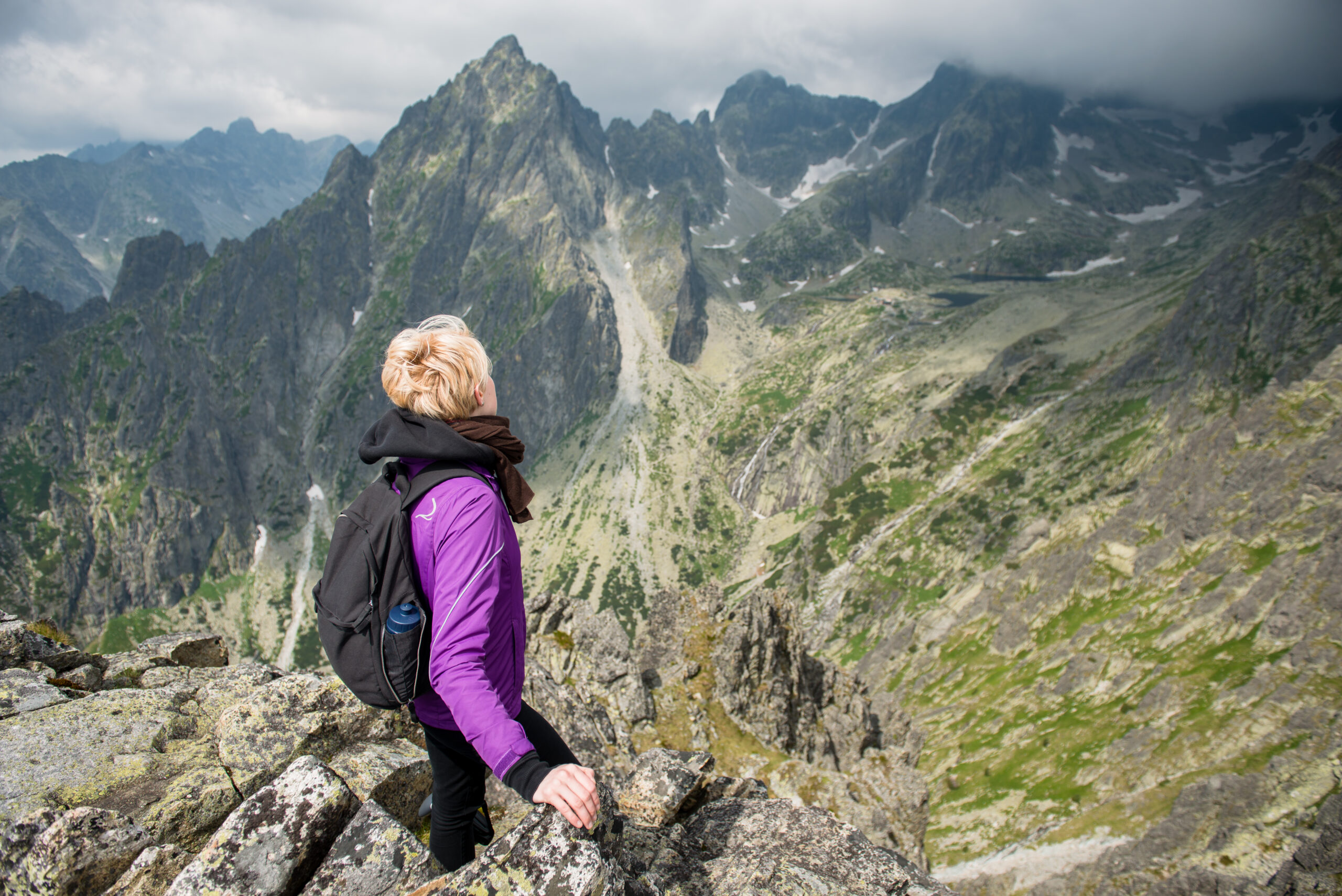
Best hiking trails – hard topic. Choosing your first best hiking trail in Europe can feel overwhelming. With thousands of paths winding through mountains, forests, coastlines, and countryside across the continent, where do you actually start? As someone who began hiking as a complete novice and has since explored trails from Portugal to Norway, I’ve learned that the best hiking trails share key qualities: clear waymarking, manageable distances, gentle terrain, and rewarding views that make every step worthwhile.
This comprehensive guide showcases the best hiking trails in Europe for beginners—routes I’ve either hiked myself or thoroughly researched for accessibility and beauty. Whether you’re based in the UK, searching for Alpine adventures, or planning a hiking holiday somewhere new, these beginner-friendly best hiking trails will help you build confidence while experiencing Europe’s most breathtaking landscapes.
What Makes the Best Hiking Trails Beginner-Friendly?
Before diving into specific best hiking trails, let’s clarify what makes a route suitable for novice hikers:
Manageable distance: Between 3-10 kilometers, completable in 2-4 hours.
Gentle elevation gain: Under 400 meters of total ascent.
Clear waymarking: Well-signed paths that minimize getting-lost anxiety.
Good maintenance: Established trails without technical scrambling or dangerous sections.
Accessibility: Easy to reach by public transport or car, with facilities nearby.
Scenic rewards: Beautiful views or interesting features that make the effort worthwhile.
The best hiking trails below tick all these boxes while offering diverse European landscapes to explore.
Best Hiking Trails for Beginners in Europe
1. The Seven Sisters Walk, East Sussex, England
Distance: 8 kilometers (circular route) Elevation gain: 280 meters Duration: 2.5-3 hours Best season: April-October
This iconic coastal walk along the white chalk cliffs of East Sussex delivers dramatic sea views without requiring mountain fitness. The undulating path between Seaford and Eastbourne passes seven distinct cliff peaks, offering constant coastal panoramas. One of the best hiking trails ever!
Why it’s perfect for beginners: Well-maintained path, easy navigation following the coastline, plenty of rest spots, and excellent public transport connections. The terrain is generally good underfoot, though it can be muddy after rain.
Insider tip: Start early on summer weekends to avoid crowds, and bring wind protection—coastal breezes can be strong even on warm days.
2. Fairy Pools, Isle of Skye, Scotland
Distance: 4 kilometers (return) Elevation gain: 150 meters Duration: 1.5-2 hours Best season: May-September
This magical trail leads to a series of crystal-clear pools and waterfalls beneath the dramatic Cuillin mountains. The relatively flat path follows the Allt Coir’ a’ Mhadaidh river through breathtaking Highland scenery.
Why it’s perfect for beginners: Short distance, minimal elevation, clear path, and absolutely stunning scenery that feels far more remote than the easy effort required.
Insider tip: The path can be boggy—waterproof boots are essential. Visit early morning or late afternoon to avoid peak tourist crowds, especially in summer. Easily one of the best hiking trails!
3. Malham Cove and Gordale Scar, Yorkshire Dales, England
Distance: 6 kilometers (circular) Elevation gain: 200 meters Duration: 2-3 hours Best season: Year-round
This classic Yorkshire Dales walk combines geological wonders with manageable terrain. You’ll explore the impressive limestone amphitheatre of Malham Cove and the dramatic ravine of Gordale Scar on a well-marked circular route.
Why it’s perfect for beginners: Clear paths, moderate length, fascinating natural features, and good facilities in Malham village including cafés and toilets.
Insider tip: The limestone pavement atop Malham Cove can be slippery when wet. Wear boots with good grip and watch your footing.
4. Partnach Gorge (Partnachklamm), Bavaria, Germany
Distance: 8 kilometers (return) Elevation gain: 200 meters Duration: 2.5-3 hours Best season: May-October (gorge closed in winter)
This spectacular walk takes you through a narrow gorge where the Partnach river has carved through limestone rock, creating tunnels, waterfalls, and dramatic rock formations. The path is well-maintained with railings and tunnels carved into the rock.
Why it’s perfect for beginners: Mostly flat walking, incredible scenery with minimal effort, well-secured paths, and close to the charming town of Garmisch-Partenkirchen.
Insider tip: Bring a waterproof jacket—spray from the waterfalls means you’ll get misted even on dry days. The gorge is especially beautiful after rainfall when water flow increases.
5. Grünberg Mountain, Gmunden, Austria
Distance: 5 kilometers (circular from cable car top station) Elevation gain: 150 meters Duration: 2 hours Best season: May-October
Take the cable car up Grünberg mountain and enjoy gentle trails with panoramic views over Lake Traunsee and the Salzkammergut region. Multiple easy paths loop around the summit area, all offering spectacular Alpine scenery.
Why it’s perfect for beginners: Cable car eliminates the hard climbing, well-marked paths, stunning views with minimal effort, and mountain restaurants at the top for refreshments.
Insider tip: Combine hiking with a visit to the wildlife park at the summit, perfect if you’re hiking with children or want variety beyond just walking.
6. Cinque Terre Coastal Path (Section), Liguria, Italy
Distance: 6 kilometers (Monterosso to Vernazza section) Elevation gain: 250 meters Duration: 2-2.5 hours Best season: April-June, September-October
This famous coastal trail connects five picturesque villages perched on the Italian Riviera cliffs. The Monterosso to Vernazza section offers the best balance of stunning Mediterranean views and manageable terrain for beginners.
Why it’s perfect for beginners: Well-maintained path, incredible coastal scenery, arrival in charming Vernazza for lunch and refreshments, and train connections between villages if you need to adjust your route.
Insider tip: Avoid July-August when temperatures soar and crowds peak. Bring sun protection—there’s limited shade on the exposed coastal sections.
7. Ruta del Cares, Picos de Europa, Spain
Distance: 12 kilometers (return) or 6 kilometers one way Elevation gain: 200 meters Duration: 3-4 hours return Best season: May-October
Often called the “Divine Gorge,” this dramatic trail follows a gorge carved by the Cares River through towering limestone peaks. The relatively flat path was originally built as a maintenance route for the gorge’s hydroelectric channel.
Why it’s perfect for beginners: Despite the dramatic setting, the path is wide, well-maintained, and mostly flat. The scenery is absolutely spectacular—mountain drama without requiring mountain climbing fitness.
Insider tip: Start from Poncebos for the easier direction (slight downhill). The trail is exposed to sun—start early and bring plenty of water and sun protection.
8. Preikestolen (Pulpit Rock), Norway
Distance: 8 kilometers (return) Elevation gain: 330 meters Duration: 3-4 hours return Best season: May-September
This iconic Norwegian hike leads to a flat-topped cliff plateau 604 meters above Lysefjord. Despite being one of Norway’s most famous viewpoints, the trail is surprisingly accessible for motivated beginners.
Why it’s perfect for beginners: Well-maintained path with clear waymarking, steady but manageable ascent, and one of Europe’s most rewarding viewpoints making every step worthwhile.
Insider tip: Start early (before 9am) to avoid crowds and enjoy peaceful morning light. The final cliff edge has no railings—respect safety boundaries if you’re uncomfortable with heights.
9. Abisko to Abiskojaure, Kungsleden Trail, Sweden
Distance: 15 kilometers (one way) Elevation gain: 400 meters Duration: 5-6 hours Best season: June-September
This is the first section of Sweden’s famous Kungsleden (King’s Trail), offering a taste of Arctic hiking without committing to a multi-day trek. The path winds through birch forests and past mountain streams with views of northern Sweden’s dramatic peaks.
Why it’s perfect for beginners: Well-marked trail, mountain hut accommodation at Abiskojaure, stunning wilderness experience with good infrastructure, and the option to return by the same route or arrange transport.
Insider tip: Book the STF mountain hut in advance during peak summer. Mosquitoes can be intense in July—bring insect repellent and possibly a head net.
10. Tatra Mountains: Valley of Five Polish Lakes, Poland
Distance: 9 kilometers (return) Elevation gain: 350 meters Duration: 4-5 hours Best season: June-October
This popular trail in the High Tatras takes you through alpine scenery to a series of stunning glacial lakes. The well-maintained path offers dramatic mountain views while remaining accessible to fit beginners.
Why it’s perfect for beginners: Clear waymarking, steady gradual ascent, spectacular alpine lakes, mountain hut for refreshments, and well-established infrastructure in Zakopane.
Insider tip: Start very early (7-8am) during summer weekends as this popular trail gets crowded. The weather can change rapidly in the mountains—bring waterproofs and layers.
How to Choose Your First European Best Hiking Trail
With so many excellent options, how do you decide where to start? Consider these factors:
Accessibility from your location: Choose trails within reasonable travel distance for your first few hikes. Building confidence locally makes longer hiking trips easier later.
Time of year: Match trail selection to the season. Coastal paths work well in spring and autumn; mountain trails need summer conditions for beginners.
Your fitness level: Be honest about your current fitness. Start with shorter distances (under 6km) if you’re not regularly active, and progress to longer trails as you build stamina.
Personal interests: Do you prefer coastal scenery, mountains, forests, or geological features? Choose landscapes that genuinely excite you—enthusiasm makes the effort easier. There are tons of the best hiking trails in Europe!
Travel style: Some trails suit day trips from cities; others work better as part of a hiking-focused holiday. Consider accommodation, transport, and whether you want multiple short hikes or one longer adventure.
Essential Tips for Your First European Best Hiking Trail
Regardless of which trail you choose, these tips will help ensure a successful first hiking experience:
Research thoroughly: Read recent trail reports, check current conditions, and understand the route before you go. Use apps like AllTrails or Komoot for detailed information and GPS navigation.
Check weather forecasts: Mountain and coastal weather can change rapidly. Postpone if severe weather is predicted—there’s always another day.
Start early: Beginning your hike in the morning gives you plenty of daylight, helps you avoid crowds, and often provides the best weather conditions and visibility.
Pack the essentials: Even on short trails, bring water, snacks, sun protection, a rain jacket, first aid supplies, and a charged phone with offline maps.
Tell someone your plans: Share your hiking route and expected return time with a friend or family member—basic safety protocol for any outdoor activity.
Respect your limits: There’s no shame in turning back if you’re tired, conditions worsen, or the trail feels beyond your current ability. Completing 50% of a trail safely beats pushing yourself into an unsafe situation.
Practice Leave No Trace: Pack out all rubbish, stay on marked paths, respect wildlife, and leave nature as beautiful as you found it for future hikers.
Beyond Your First Best Hiking Trail: Building Your Hiking Experience
Once you’ve successfully completed one or two beginner trails, you’ll likely feel ready for new challenges. Here’s how to progress:
Gradually increase distance: Add 1-2 kilometers to your usual hiking distance as you build stamina and confidence.
Try slightly more elevation: Progress from flat coastal walks to routes with gentle hills, then to more significant mountain trails.
Explore different terrain: Experience variety by trying coastal paths, forest trails, mountain routes, and different European regions.
Consider guided hikes: Join organized hiking groups or guided tours to learn from experienced hikers and discover trails you might not attempt alone.
Read hiking blogs and join communities: Connect with other hikers to discover new routes, learn tips, and stay motivated. Share your experiences in the comments below—your insights might help someone else choose their first trail!
Your European Best Hiking Trail Adventure Awaits
Europe offers an incredible diversity of beginner-friendly hiking trails, from dramatic Norwegian fjords to Mediterranean coastal paths, from Alpine meadows to volcanic Azorean craters. Each trail on this list provides spectacular scenery, manageable challenges, and the rewarding sense of accomplishment that comes from exploring nature on foot.
You don’t need to be an experienced mountaineer or ultra-fit athlete to enjoy these trails. You just need decent footwear, basic preparation, and the willingness to take that first step onto the path.
So choose a trail that excites you, check the weather, pack your daypack, and discover why millions of Europeans have fallen in love with hiking. The mountains, forests, and coastlines are waiting—and trust me, the views are absolutely worth every step.
Which of these beginner hiking trails appeals to you most? Have you hiked any of them? Share your experiences or questions in the comments below—I’d love to hear which European trails you’re planning to explore!
Leave a Reply